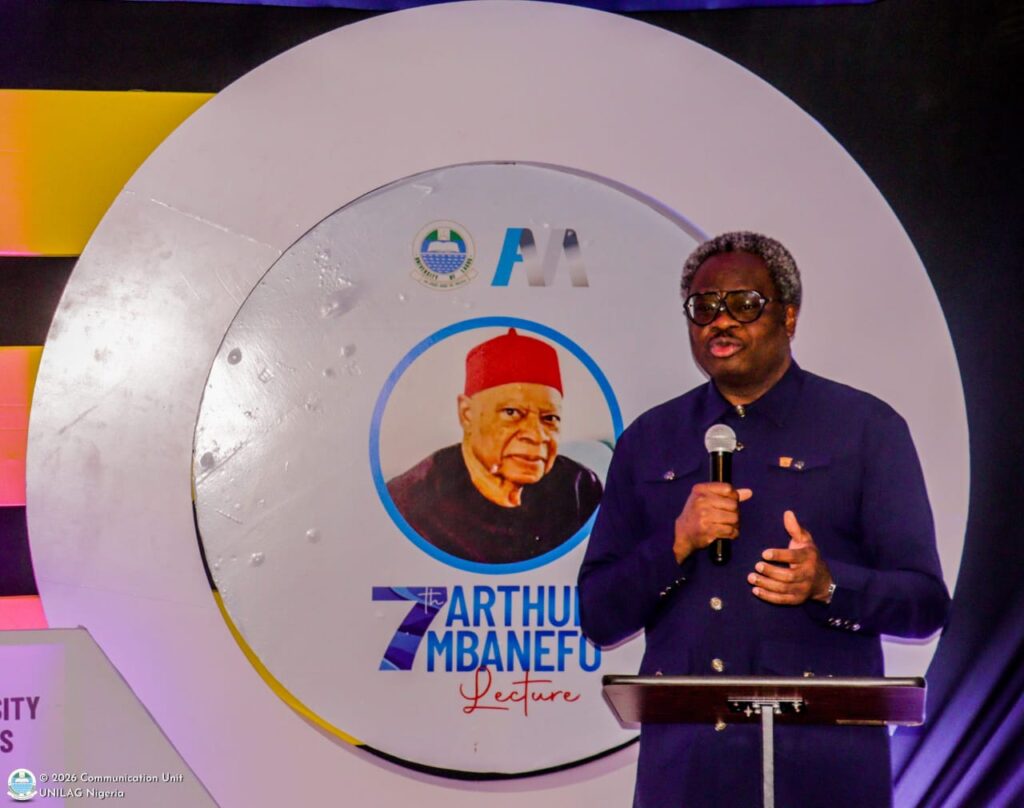
University of Lagos hosted the seventh Arthur Mbanefo Lecture this week at its digital research centre. The event brought together scholars, policymakers, and business leaders to discuss Africa's future.
Kola Adesina, group managing director of Sahara Power Group, delivered the keynote address. He spoke on transforming the continent from empty promises into tangible results.
Africa has no shortage of talented people or ambitious dreams, Adesina argued. What's missing, he noted, is the ability to turn those aspirations into real change on the ground.
"Every generation of African leaders arrives with good intentions," he told the audience. Yet somehow, he added, the gap between what leaders promise and what they actually deliver remains stubbornly wide.
According to Adesina, six essential pillars must anchor Africa's development going forward. These aren't optional, he stressed—they're fundamental to building a functional continent.
Trust stands as the first pillar, Adesina explained. Without trust between citizens and their institutions, between investors and government, between communities and their leaders, nothing sustainable can be built.
The second pillar is people. Adesina compared infrastructure without human capital to scaffolding standing without a building behind it.
Education must be prioritized, not just access to classrooms but genuine quality learning, he insisted.
Collaboration, infrastructure development, policy consistency, and technology adoption round out his remaining pillars. "We can't illuminate Africa with banditry," Adesina said bluntly, underscoring his point about the need for lawfulness.
He pointed to Arthur Mbanefo as the model African leader to emulate. Unlike many who simply talk about Africa's potential, Mbanefo actually built things and kept his word.
"He showed up with integrity and invested in people," Adesina noted. In that respect, Mbanefo left behind a blueprint for action, not empty rhetoric.
Folasade Ogunsola, vice-chancellor of UNILAG, reflected on Mbanefo's profound impact on the university. His generosity and vision made the digital research centre possible, she said.
Mbanefo died last year at ninety-five, but his legacy remains vibrant within the institution. Ogunsola described him as an extraordinary statesman and philanthropist devoted to knowledge and national progress.
"His life showed us the transformative power of education," the vice-chancellor told those gathered. The university now continues the annual lecture as both tribute and reaffirmation of his values.
Ernest Ebi, chairman of the research centre, acknowledged the bittersweet nature of this year's event. For the first time, the lecture proceeds without its founding benefactor present.
Still, Ebi celebrated Mbanefo's remarkable life of impact and service. Over six years, this annual platform has fostered intellectual debate, innovation, and serious policy thinking, he noted.
The lecture series itself stands as testament to what one committed individual can achieve. Mbanefo's vision continues shaping how the university engages with Africa's most pressing challenges today.