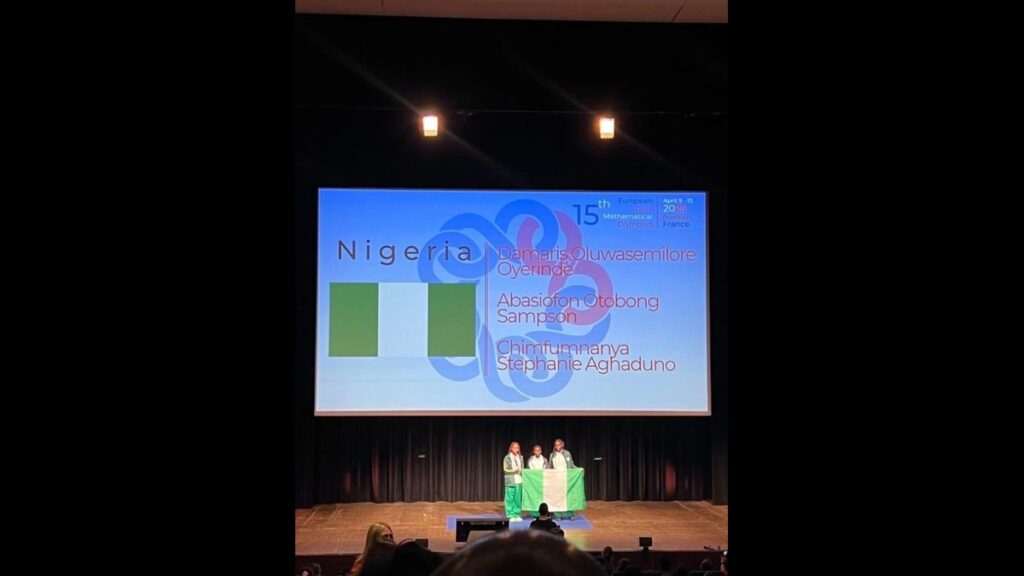
Nigeria still has a chance to compete in the 2026 International Mathematics Olympiad, giving the country's brightest secondary school students an opportunity to test themselves against top young mathematicians from around the world. The competition runs from July 10 to 21 in Shanghai, China.
Alex Onyia, who convenes the Southeast Mathematics Olympiad, disclosed on X that Nigeria could reverse its current restrictions through an appeal process. He said the country would need to secure government funding commitments for at least five years to restore full competitive status by 2027.
Nigeria's competitive standing collapsed after the Ministry of Education failed to fund students for four consecutive years, Onyia explained. The National Mathematical Centre had been responsible for supporting the students, but the funding dried up, leaving Nigeria relegated to observer status at the IMO.
The country last competed fully at the event in 2019, a seven-year gap that has frustrated education advocates nationwide. Critics argue that this absence has robbed countless talented Nigerian teenagers of crucial international experience and exposure.
Onyia urged both the Ministry of Education and the National Mathematical Centre to act urgently to fix the funding problem. He stressed that time was running out to reverse the situation.
However, some voices have questioned whether the concerns are premature. Social media user Queen Navida pointed out that the official IMO participant list hasn't been released yet and suggested stakeholders wait for official word before drawing conclusions.
When Advocate.ng contacted the Ministry of Education for clarity, officials said they had no knowledge of the competition or any funding arrangements for candidates travelling to China. The response left the situation murkier.
Online reactions have split sharply. Commentator Ini Mfon called the appeal window a critical opportunity that demands immediate government action to seize it.
But Isaac, a former competitor who participated in 2011, expressed frustration about how the country's investment in academic competitions had deteriorated over time.