Nigeria's creative sector needs data analytics, structured business models, robust financing, and stronger legal protections to reach its full potential.
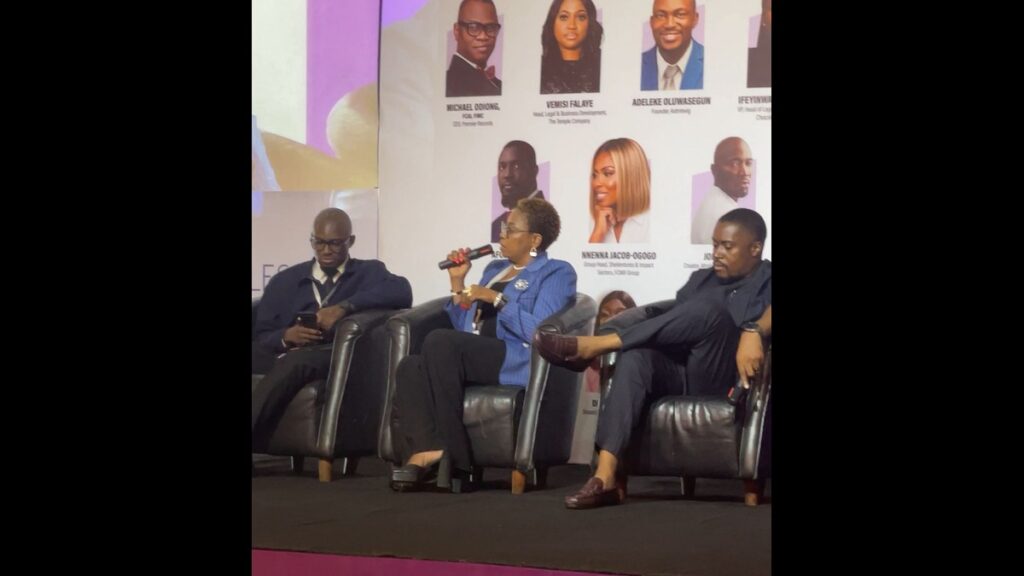
Industry leaders made these demands at the BusinessDay Creative Entertainment Summit 2026 last week. The conference theme was "Ownership is the New Global: Monetising Afrobeats Power Through Equity, Transparency and Strategic Scale."
Panelists outlined systemic problems blocking local creatives from building sustainable enterprises. They said artistic talent alone isn't enough anymore.
Adeleke Oluwasegun, founder of Astrotwig, identified data deficiencies as a major problem. Most Nigerian artists can't track song consumption or measure audience growth systematically.
"A lot of creatives in Nigeria need a data point," Oluwasegun told the summit. "One of the biggest pitfalls is that their songs aren't trackable."
Without measurable metrics, artists struggle to determine market value. Institutional investors won't back ventures they can't quantify.
Oluwasegun emphasized that technology can build proper data trails. "We should be able to quantify data because in technology, data is everything," he noted.
Commercial banks present another challenge altogether. Nnenna Jacob-Ogogo, FCMB Group's head of SheVentures and Impact Sectors, explained that banks prioritize predictable cash flows over raw talent.
Financial institutions recognize the creative sector's value but need formal corporate structures first. They want verifiable revenue models before releasing capital.
According to Jacob-Ogogo, FCMB is financing the supporting ecosystem instead of betting on individual artists. This strategy aims to build the institutional infrastructure needed for industry-wide growth.
Abuchi Peter Ugwu, CEO of Chocolate City Group, pushed creatives to think bigger. He said they must build long-term scalable businesses, not chase short-term streaming wins.
Music enterprises need rigorous financial management and intentional audience development. Corporate structures must guarantee consistent revenue pipelines.
Ugwu stressed that intellectual property must become recognized as a bankable asset nationwide. Music production demands heavy upfront investment before returns materialize.
Strategic partnerships and national policies supporting the sector are critical. Artist development and structured monetization frameworks determine survival.
Legal gaps represent yet another barrier to growth. Yemisi Falaye, head of legal and business development at The Temple Company, identified widespread legal illiteracy as damaging.
Many creative enterprises fail because initial agreements lack clarity. Recoupable expenses, ownership rights, and revenue splits often remain undefined.
These vague contracts leave artists vulnerable to exploitation. Publishing illiteracy stalls revenue generation across the entire sector.
Experts agreed that Nigeria's creative economy won't achieve global scale without addressing all four challenges simultaneously. Data infrastructure, financing frameworks, legal structures, and business discipline must develop together.