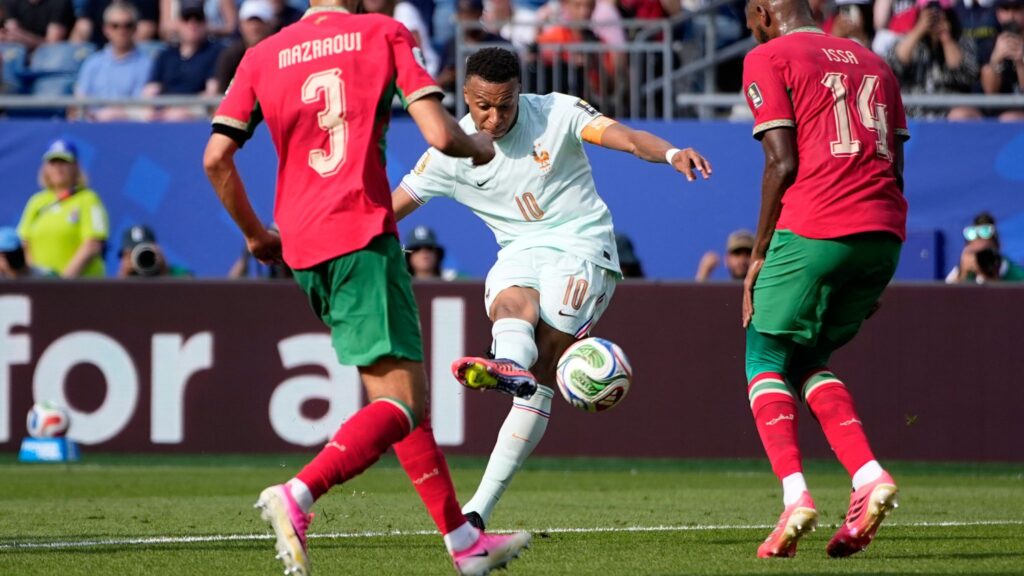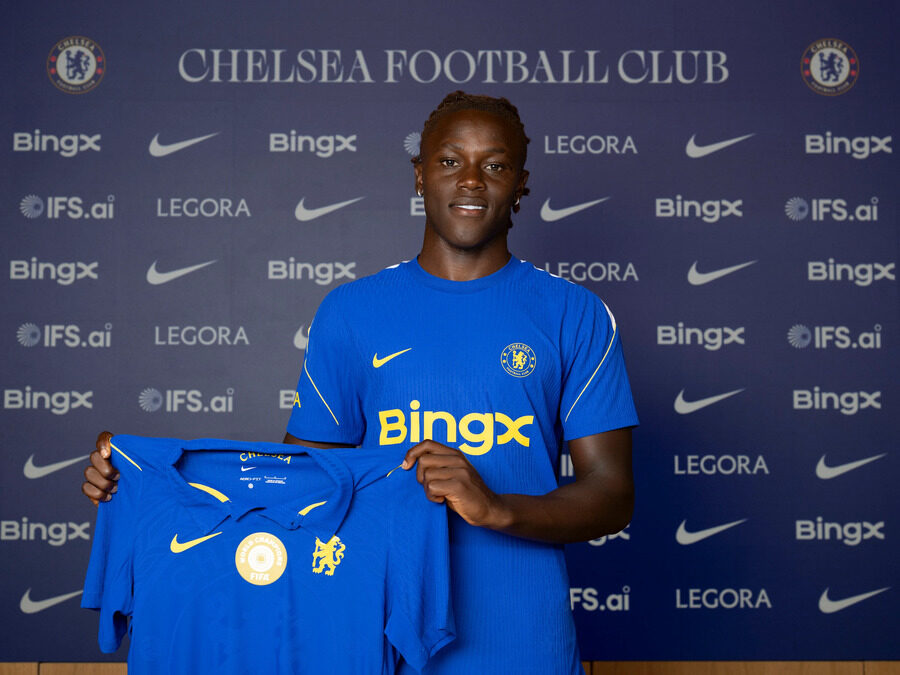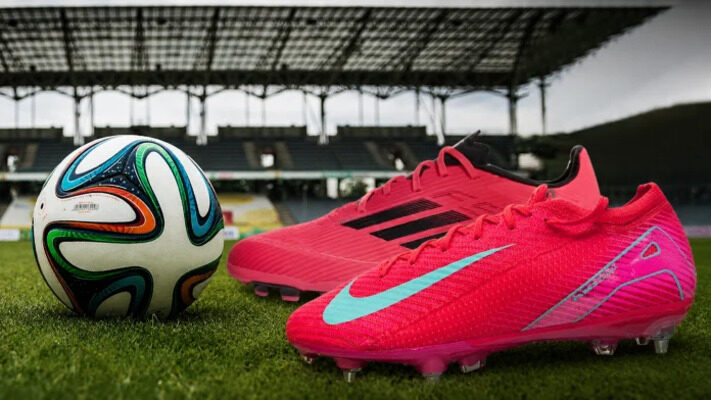
The FIFA 2026 World Cup has transformed into a commercial battleground for Nike and Adidas, with both sportswear giants spending millions to drive sales and expand soccer's reach across the United States. Matches will take place in 11 American cities, giving the two brands their biggest chance in over three decades to capture market share in one of the world's most valuable sports markets.
Soccer has emerged as one of the fastest-growing sports in America, driven by Major League Soccer's expansion and mounting interest in international fixtures. Nielsen data showed that more than 62 million Americans already followed the sport before the tournament began, placing the U.S. as the world's fourth-largest soccer fan base.
Nike sponsors 12 teams competing at the World Cup, while Adidas backs 14. Both companies have rolled out aggressive marketing pushes across the United States, Canada and Mexico, featuring limited-edition boots, jerseys and training gear alongside celebrity endorsements from top players.
The competition between the brands extends beyond the pitch to the checkout counter. Camilo Andrade, Nike's global vice-president and general manager for soccer, told reporters the tournament matters enormously to his company.
"It's critical for us," he said. "This is an accelerator of growth."
Chris Murphy, senior vice president of brand marketing at Adidas, echoed that sentiment. "It's hard to overstate this," he told analysts.
"It's massive."
Nike faces particular pressure to succeed at the World Cup as it attempts to recover from recent commercial struggles. The American company has stumbled since 2024 following strategic mistakes, including prioritising lifestyle products over the technical performance footwear that built its global dominance.
Chief executive Elliott Hill identified football, basketball and running as core pillars of Nike's revival strategy. "The World Cup is always a moment to prove ourselves," he told investors.
"It's one of the toughest battlegrounds in sport, and we're coming with our best."
Adidas, by contrast, has maintained strong momentum heading into the tournament. The German manufacturer reported healthy sales growth earlier this year across both lifestyle and performance categories and projects revenue increases extending through 2026.
Chief Financial Officer Harm Ohlmeyer described the World Cup as a critical platform for strengthening the brand's global position. The company believes the tournament will accelerate consumer engagement across its key markets.
While Puma, Umbro and Reebok are also capitalising on World Cup fever, neither matches the scale of Nike and Adidas investments. The two giants have saturated the tournament with branded activations, fan experiences and retail campaigns designed to convert casual viewers into loyal customers.
The stakes are particularly high for Nike, which hopes the World Cup signals a genuine turnaround after disappointing investors. Success would validate Hill's strategic direction and prove that the company can reclaim its position as football's premier equipment provider.