Nigeria operates two distinct economies. Only one responds to government direction.
One exists in GDP statistics, tax records and official policy frameworks. The other thrives on cash transactions, personal relationships, daily payments and informal connections.
It produces the nation's food, transports goods across cities, constructs buildings and sustains communities. It's the primary source of income for more than nine in every ten working Nigerians, yet it sits almost entirely beyond the reach of institutions meant to support economic activity.
This split increasingly explains why Nigeria's most ambitious economic reforms fail to deliver the widespread gains officials predict. The National Bureau of Statistics' Labour Force Survey found that 92.93 percent of employed Nigerians worked informally in 2023.
The Nigerian Economic Summit Group reached nearly identical findings in its 2025 report, "From Hustle to Decent Work," calculating that 93 percent of workers operate outside formal structures.
The ramifications stretch far beyond job numbers. They determine how monetary policy functions, which methods government uses to collect taxes, how price increases spread across markets and ultimately whether citizens view economic reforms as successful.
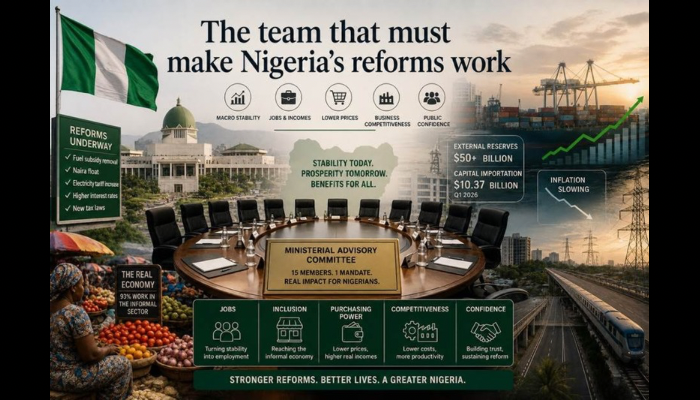
The past three years have brought some of Nigeria's boldest reform efforts. Fuel subsidies disappeared.
The exchange rate opened to market forces. Electricity charges climbed substantially.
Interest rates hit their highest points in decades. New tax legislation took effect.
Yet households have felt the pain faster than any gains. The economy's structure bears much of the blame.
Economic disruptions race through informal markets because traders, transport workers and farmers shift their prices instantly. Policy gains, by contrast, typically flow through formal channels like banks, registered employers and tax systems that touch only a small fraction of workers.
When 93 percent of the workforce operates informally, minimum wage rises help relatively few Nigerians. Higher interest rates matter mainly to businesses with bank access.
Tax changes chiefly touch registered firms. Policymakers are targeting an economy that doesn't match where most Nigerians actually earn money.
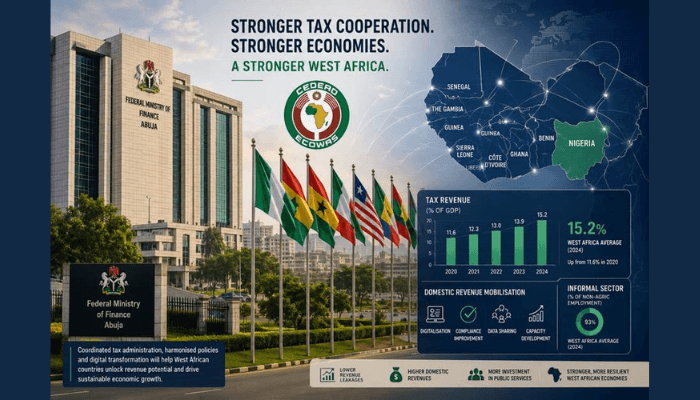
For government, this creates a perpetually narrow tax base despite 200 million citizens. For the Central Bank of Nigeria, it weakens monetary policy tools because millions of businesses rely on personal savings, cooperatives and informal money lenders instead of commercial banks.
For investors, though, a different picture emerges: roughly 40 million micro, small and medium enterprises that increasingly use digital payment systems despite remaining unregistered.
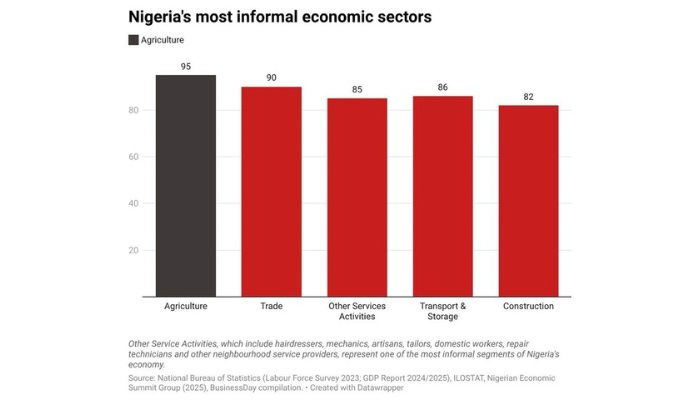
Agriculture highlights the disconnect most sharply. Following the 2024 GDP rebasing, farming represented 27.8 percent of economic output according to the NBS while employing roughly one-third of all workers.
Yet more than 95 percent of farm employment stays informal. Farmers without secure property rights can't access bank loans, blocking investments in irrigation, machinery and better seeds.
The result isn't just weaker farm output. It means higher food prices and reduced government revenue.
Wholesale and retail trade reveals similar patterns. These sectors dominate Nigeria's informal economy yet remain starved of the capital and technology that could boost efficiency and productivity across the economy.