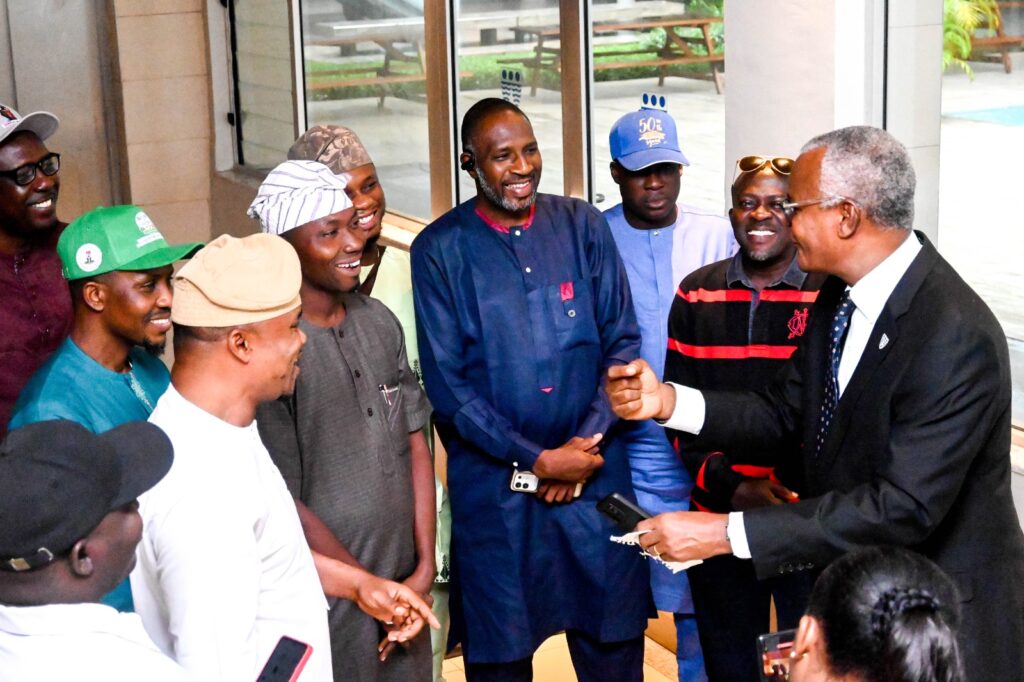

Starting from 2027, prospective students won't need to write the UTME to gain admission into Nigerian colleges of education. Education Minister Tunji Alausa announced the policy shift on Monday at the admission policy meeting for next year's UTME.
Students with four credit passes in relevant subjects can now apply directly to these institutions. They'll still have to register with JAMB, though.
Alausa explained that JAMB data shows colleges of education have plenty of room to admit more students. Many candidates prefer attending institutions close to their homes and communities.
"Proximity, cultural alignment, affordability, and local demand for teachers all play a role," the minister noted. He argued that tapping into this potential is crucial for expanding access to teacher training.
Out-of-school adolescents could particularly benefit from this change. It might also encourage more young people to consider teaching as a career path.
The Federal Ministry of Education worked with stakeholders before settling on this decision. It represents what officials call a "deliberate policy position" meant to address longstanding challenges.
Candidates seeking the National Certificate of Education must still register with JAMB. Their credentials will go through the usual screening and verification processes before CAPS issues admission letters.
Students applying for National Diploma programmes in non-technology agricultural courses get similar exemptions. They won't sit for UTME either, according to Alausa.
"This strikes a balance between widening access and maintaining admission system integrity," he said. It should reduce the stress associated with the entrance exam.
Greater participation in teacher education and agricultural programmes will benefit national development. Both sectors are critical to Nigeria's progress, Alausa stressed.
The minister also praised JAMB for its work supporting Persons Living with Disabilities. The examination board waived application fees for PWLDs and introduced other targeted support measures.
Such initiatives reflect Nigeria's commitment to equity and equal opportunity. Alausa described them as "humane" and powerful signals of inclusion.
More candidates with disabilities have been participating in examinations and admissions lately. "When you remove barriers, potential gets unleashed," the minister observed.
Government plans to keep expanding support systems for vulnerable groups. Accessibility improvements and better institutional responsiveness will continue rolling out across the sector.