
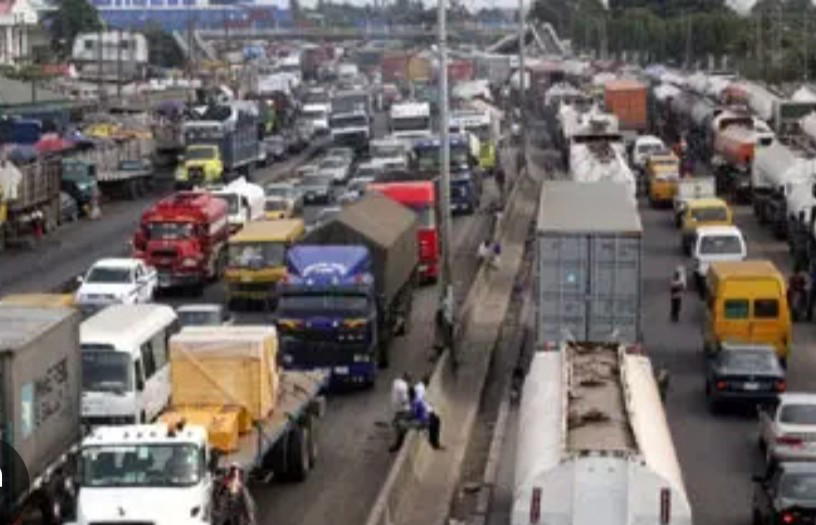
Petroleum tankers clogging the Apapa and Kirikiri corridors have laid bare systemic failures in Nigeria's fuel distribution network, despite repeated attempts by government to fix the problem in Africa's largest economy's busiest fuel hub.
Every day, thousands of trucks carrying Premium Motor Spirit, Automotive Gas Oil, aviation fuel and other petroleum products descend on the Apapa area, creating paralysing traffic that strangles business, port operations, residential areas and commuter movement.
Investigations revealed the crisis has moved beyond simple traffic congestion and stems from inadequate infrastructure, poor logistics planning, weak rule enforcement and corruption.
A critical shortage of functional truck parks and loading bays sits at the heart of the problem. Some petroleum depots lack sufficient holding space for the massive daily influx of trucks seeking to collect products.
Hundreds of tankers queue for kilometres on public roads waiting for loading instructions, turning major highways into de facto parking lots.
The concentration of numerous petroleum storage facilities within the Apapa and Kirikiri zones compounds the issue. Thousands of trucks battle daily for access to the same depots, creating inevitable bottlenecks.
Though the Dangote Petroleum Refinery has boosted domestic fuel supply significantly, many independent marketers still source products from tank farms in the Apapa corridor, sustaining heavy tanker traffic.
Nigeria's reliance on road transport for petroleum distribution worsens congestion. Pipeline infrastructure, built to move refined fuel efficiently nationwide, sits largely unused due to years of vandalism, poor upkeep and stalled repairs.
Rail transport of petroleum products has failed to emerge as a workable option either. Road tankers therefore remain the primary distribution method across the country.
While authorities have reconstructed portions of the Apapa and Kirikiri roads in recent years, many feeder roads remain too narrow to handle the expanding fleet of heavy trucks servicing ports and petroleum depots.
Rising domestic refining capacity and growing economic activity have intensified pressure, pushing greater volumes of petroleum products onto roads headed to different regions.
Some tanker operators make the situation worse by parking haphazardly along roads while hunting for customers or loading slots instead of moving directly to designated loading points.
Industry sources also flagged corruption as a persistent obstacle to traffic management. They alleged enforcement personnel accept unofficial payments to overlook illegally parked trucks, blocking traffic flow and undermining order on the roads.