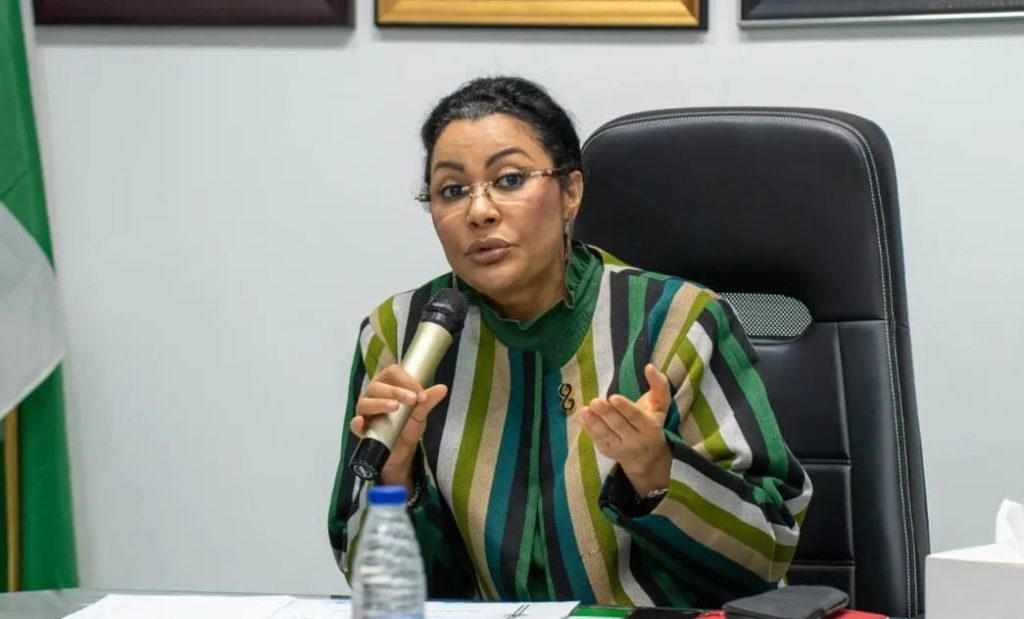
Borno State plans to build modern rehabilitation facilities for young offenders. The move signals a major shift away from purely punitive justice systems.
Hauwa Abubakar, the state's Attorney-General and Justice Commissioner, unveiled the initiative on Friday. She spoke during Democracy Day celebrations in Maiduguri.
Abubakar argued that punishment alone cannot fix society's problems. Real reform requires psychological support, vocational training, and moral reorientation, she said.
"Punishment in isolation does not yield the sustainable behavioral reform we desire," Abubakar told reporters. "We must adopt a compassionate, comprehensive rehabilitation framework that counsels, heals, and empowers young offenders, giving them a genuine second chance to become productive, law-abiding citizens."
Governor Zulum's administration has mapped out several justice sector improvements before the tenure ends. These initiatives will reshape how the state handles offender rehabilitation and public morality.
One major project is a new Judges' Estate. It'll offer comfortable accommodation for judicial officers across the state.
According to Abubakar, the estate is already budgeted for in the current fiscal year. She described it as modern, secure, and befitting the status of judges.
Abubakar praised Zulum's commitment to strengthening the judiciary. "We have witnessed unprecedented investment," she noted during the briefing.
Courts throughout Borno have received significant upgrades. Magistrate and High Courts, along with Sharia Courts, now feature modern equipment and facilities.
Several new judicial complexes have sprung up in insurgency-affected areas. Abubakar said this brings justice services closer to vulnerable communities.
The Attorney-General also chairs Borno's Anti-Social Vices Committee. In that capacity, she's overseen crime prevention strategies yielding impressive results.
Crime rates and social vices have declined noticeably across the state. The committee deployed intelligence-driven and preventive approaches to achieve this, Abubakar explained.
She stressed that fighting moral decay isn't government's job alone. Communities and religious institutions must also participate, she said.
"Eradicating social vices and moral decay is a shared civic duty," Abubakar emphasized. "We must mobilize our community and religious institutions to reshape the mindsets of our youth, ensuring that we reduce all forms of immorality to the barest minimum."