Nigeria's central bank and industry ministry are pushing businesses to step up their involvement in AfCFTA reforms. They want the private sector to help remove obstacles blocking West African trade.
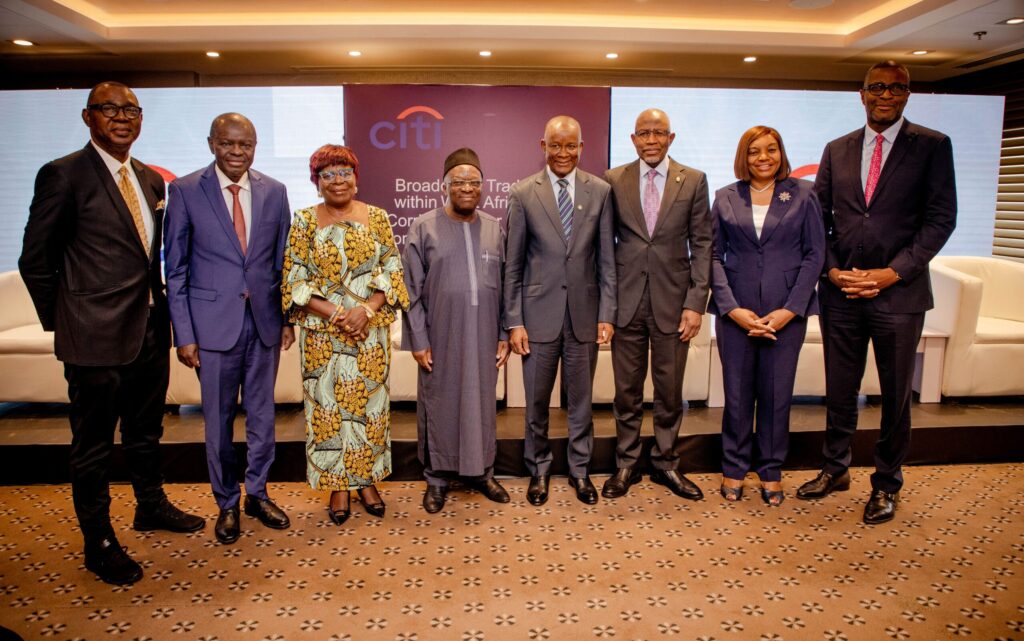
Citi hosted a regional business forum in Abuja this week. Leaders from Nigeria, Ghana and Côte d'Ivoire gathered to discuss ways to strengthen trade corridors.
All sides acknowledged AfCFTA's massive potential for Africa's economy. But implementation remains hampered by multiple challenges on the ground.
Non-tariff barriers continue to frustrate traders across the region. Weak infrastructure, fragmented regulations and slow border processes also compound the problem.
Access to trade finance remains another critical gap. Currency issues and payment systems haven't kept pace with growing cross-border activity.
Lamido Yuguda, deputy governor at the CBN, spoke on financial solutions. He stressed that better payment systems and forex markets would cut business costs dramatically.
"As intra-African trade scales under AfCFTA, the efficiency of financial intermediation will play a pivotal role," Yuguda told participants at the symposium.
The central bank plans to keep backing initiatives that balance financial stability with regional growth. Officials say this dual approach matters for long-term success.
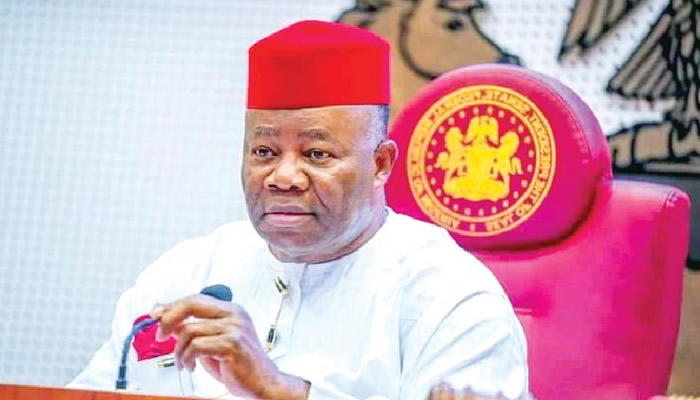
John Owan Enoh, the industry minister, called for a strategic shift. African nations must stop exporting raw materials and start building finished products instead.
"AfCFTA presents a significant opportunity to accelerate Nigeria's industrial growth and expand market access for our businesses," Enoh noted during his address.
He outlined three priorities for Nigerian industry. These include boosting competitiveness, easing business operations and backing export-driven regional value chains.
Industrial policy represents what Enoh called the "missing link" in unlocking trade value. He highlighted the Lagos-Abidjan corridor as vital for cocoa processing and related industries.
Both institutions want concrete proposals from businesses. They're asking for evidence-based ideas that could tackle specific trade bottlenecks.
Ghana and Côte d'Ivoire's representatives raised similar concerns about practical barriers. Product standard inconsistencies plague manufacturers across borders.
Kalilou Traoré, Côte d'Ivoire's ambassador here, emphasized financing gaps. Creating a single market for 1.3 billion Africans demands stronger investment in trade infrastructure.
Ghana's deputy high commissioner Gladys Mansa Yawa Feddy Akyea stressed connectivity. She said AfCFTA ultimately succeeds or fails based on improved regional links.
Specialized agencies joined the discussions throughout the day. Bodies like SON, NEPC, NIPC, NAFDAC, Nigeria Customs Service and development banks participated in breakout sessions.
Business representatives also contributed their on-the-ground experience. Their input will shape recommendations for policymakers moving forward.