Donald Trump's administration scored a major victory in the courts this week. The US Supreme Court cleared the way for his government to end Temporary Protected Status for hundreds of thousands of migrants.
In a 6-3 ruling, the justices overturned lower court blocks on terminating TPS protections. Around 350,000 Haitians and more than 6,000 Syrians could lose their legal status to live and work in America.
TPS was created to shield people from countries ravaged by war, earthquakes, or other crises. Haitians first received these protections after the 2010 earthquake devastated their nation.
Syria was added to the programme in 2012 when civil war broke out there. The Supreme Court's decision could now expose both groups to deportation proceedings.
Legal experts warn the ruling may affect migrants from other TPS-protected countries as well. Trump's team has signalled plans to expand immigration restrictions across multiple programmes.
In another win for the administration, the court ruled migrants cannot request asylum until they actually cross into US territory. This latest decision tightens border controls significantly.
Across the Atlantic, Venezuela is reeling from its worst earthquake in over a century. Two massive quakes struck just 60 seconds apart, killing at least 188 people.
The tremors measured 7.2 and 7.5 on the seismic scale. Caracas and the coastal state of La Guaira suffered the heaviest damage.
More than 100 buildings collapsed in the disaster. Emergency workers are still pulling survivors from the rubble.
The injured count has surpassed 1,500 as rescue operations continue round the clock. Venezuela's government declared a state of emergency immediately after the quakes struck.
Residents spent nights sleeping outdoors, terrified of aftershocks and further destruction. Thousands fled into streets as buildings shook violently.
UN officials warn the final death toll could climb much higher. Assessments in heavily damaged areas are still ongoing.
International humanitarian agencies have begun mobilising aid and medical supplies. Help is arriving from multiple countries as Venezuela struggles with the crisis.
On the global energy front, oil prices have retreated sharply this week. Brent crude dipped below $72.50 per barrel before recovering slightly.
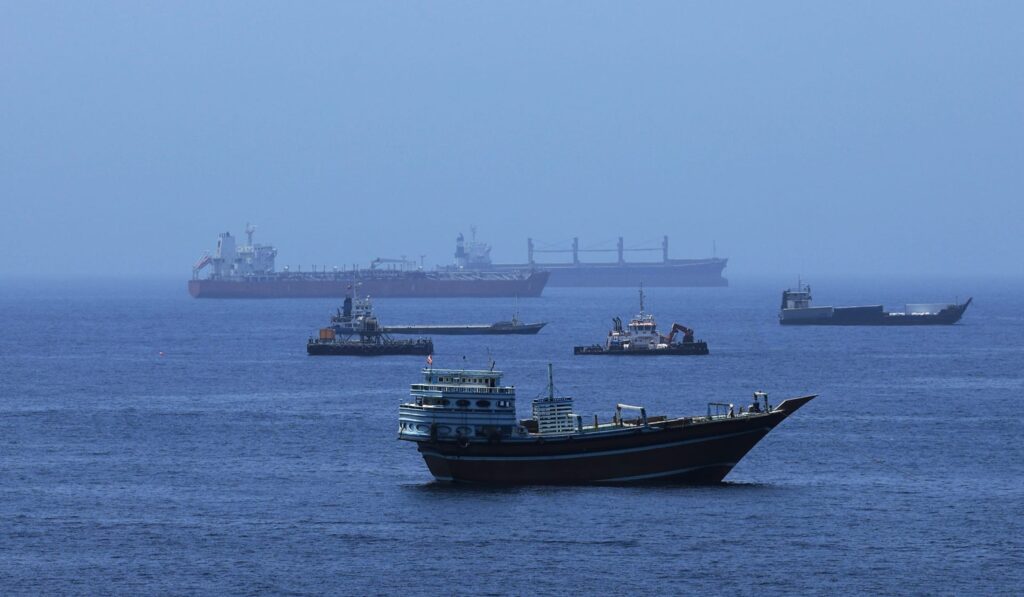
Shipping traffic through the Strait of Hormuz is gradually returning to normal. This easing has calmed markets after weeks of jittery trading.
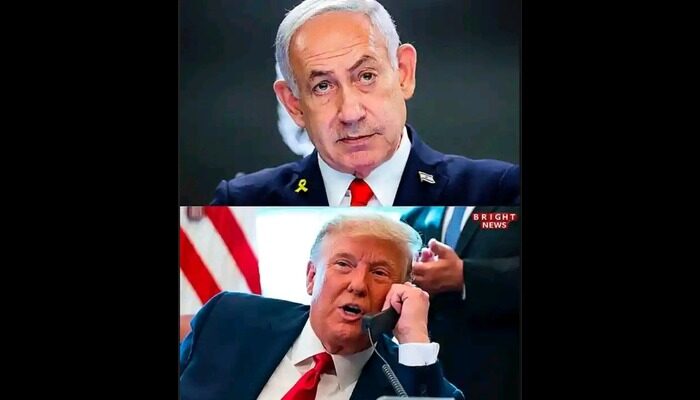
A US-Iran memorandum signed earlier this month sparked optimism across energy markets. The deal created a framework for ending hostilities and nuclear talks.
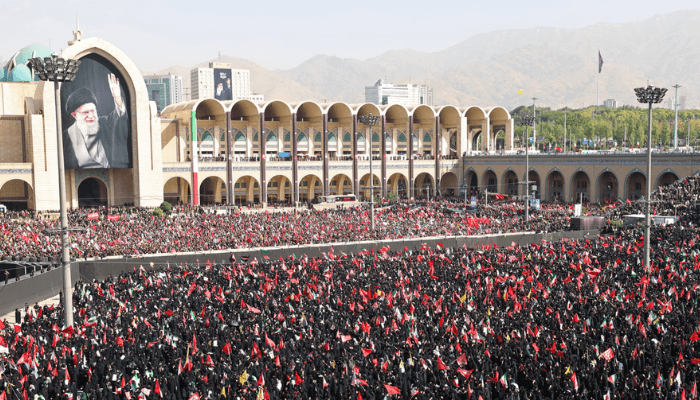
Prices had spiked dramatically following military strikes against Iran. Tehran had then restricted maritime traffic through the strategic waterway.
Analysts caution that calm could be temporary, however. Markets remain highly sensitive to any Middle East developments.
A breakdown in negotiations could quickly reverse gains, they warn. Energy costs could spike again if fighting resumes.