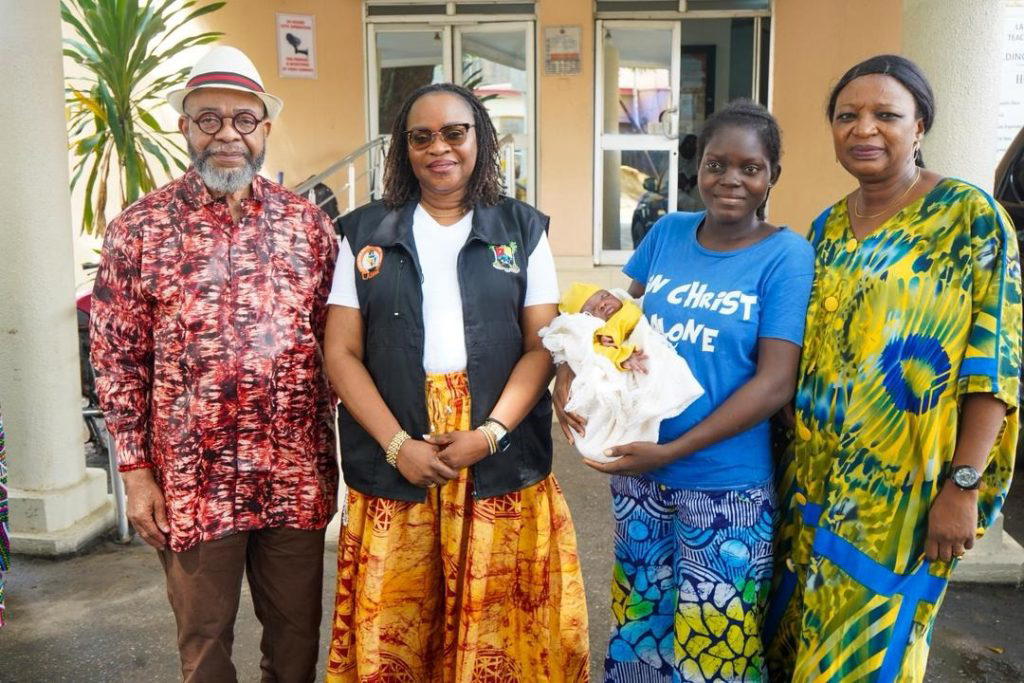
Senator Ned Nwoko is spearheading a critical initiative to establish a dedicated national agency for malaria elimination in Nigeria, emphasising it's a vital step to finally conquer the devastating disease.
Senator Nwoko, who sponsored the bill, "A Bill for an Act to Establish the National Agency for Malaria Elimination (NAME) (SB.172)," recently saw it through a public hearing at the National Assembly.
During the hearing, Senator Nwoko passionately addressed lawmakers, health experts, and civil society members, calling malaria a "structural and national emergency" that continues to claim lives and undermine Nigeria's economic stability.
He cited the World Health Organisation's 2024 report, revealing that Africa suffers approximately 600,000 malaria-related deaths annually, with Nigeria alone tragically accounting for over 184,000, the highest number globally.
"These are not just numbers," Nwoko stressed. "They represent devastated families, interrupted futures, and a nation crippled by a preventable disease."
Nwoko lamented the "normalisation" of malaria in Nigeria, arguing that if such a disease were prevalent in Europe or North America, the global community would have eradicated it long ago. He drew a stark contrast with the rapid global response to COVID-19, which saw swift vaccine development and massive funding, as an example of what can be achieved when health threats are treated with urgency. Malaria, he pointed out, continues to suffer from fragmented, underfunded, and poorly coordinated responses.
"Malaria is not just a health issue, it is a drag on our economy, a threat to maternal and child health, and a barrier to national development," he asserted. He highlighted its significant impact, noting it accounts for about 11% of maternal deaths in Nigeria and contributes to severe anaemia, miscarriages, stillbirths, and infant mortality.
Furthermore, Nwoko explained that malaria reduces productivity by causing the loss of millions of man-hours each year, increases healthcare costs for businesses and families, and stunts national output. These issues are exacerbated by the nation’s scattered and under-resourced institutional response.
While acknowledging his personal efforts through his foundation, including organising a high-level WHO strategy meeting in Idumuje Ugboko, Senator Nwoko emphasised that private initiatives cannot replace structured, state-led action. He described the current setup as inadequate, pointing out that the National Malaria Elimination Programme (NMEP) lacks enforcement power, the National Primary Healthcare Development Agency (NPHCDA) lacks the scale to tackle the crisis, and the Nigeria Centre for Disease Control (NCDC) plays a limited role in malaria control. Even the Presidential End Malaria Council, he noted, lacks legislative authority and executive weight.
The proposed National Agency for Malaria Elimination (NAME), according to the senator, would be a game-changer. With legislative backing, NAME would function as a centralised, autonomous body empowered to lead an aggressive, science-driven national response. The agency would be tasked with formulating and driving comprehensive eradication policies, coordinating cross-sectoral interventions with full authority, managing resources transparently and efficiently, and investing heavily in research and innovation, including vaccine development and cutting-edge genetic approaches being explored worldwide.
"Our mosquitoes are evolving. Our parasites are adapting. So must our institutional response," Nwoko declared. "We cannot defeat malaria with a scattered, underpowered system. We need a unified, well-resourced agency with the sole mission to end this disease."
He urged Nigerians to support the bill, emphasising the far-reaching implications of inaction. "Nigeria cannot continue to lead the world in malaria deaths. This is not just about saving lives, it is about strengthening our health system, boosting our productivity, and securing a healthier future for generations to come."
The public hearing garnered significant interest from health professionals, lawmakers, and international development partners, many of whom hailed the bill as a timely and necessary intervention. If passed, this legislation could mark a pivotal moment in Nigeria’s public health history and offer a blueprint for malaria eradication efforts across the African continent.
Get the latest news in your inbox
Subscribe to Advocate.ng and never miss a story. No spam.