Budget controversies aren't new to Nigeria. What made the presidential foreign intervention promotion council affair different was far more troubling.
Even after the presidency publicly disowned the council and ordered the Independent Corrupt Practices and Other Related Offences Commission to investigate, senators themselves remained in the dark. Senator Suleiman Kawu Sumaila decided to act.
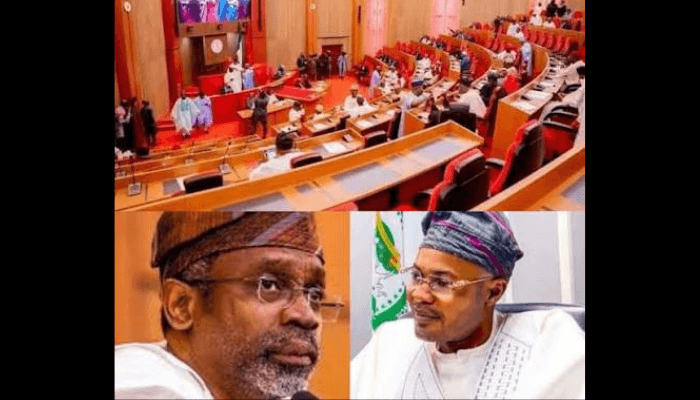
The Kano South lawmaker didn't simply demand an investigation into the mysterious N1.302 billion allocation to the PFIPC. He stood on the Senate floor and warned that the scandal threatened "the integrity of the Senate" and exposed dangerous gaps in legislative oversight.
Hours later, speaking to journalists, he made a crucial point. The president's directive to the ICPC couldn't substitute for a proper legislative probe.
Lawmakers themselves needed answers.
That admission was pivotal. It shifted the real question from whether a controversial budget line existed to something far deeper.
Had the institution meant to scrutinise the nation's spending gradually lost control of that power?
This wasn't simply about N1.3 billion. It was about legislative oversight, transparency and the Senate's grip on appropriation—one of its most vital constitutional duties.
Kawu's motion stood out not for accusing anyone of crime but for what it revealed about the Senate's own anxieties. Senior presidency officials had publicly called the PFIPC "fake," "fictitious" and unauthorised, yet the same organisation appeared in the 2026 Appropriation Act under budget code 0111062001.
The allocation totalled N1,302,978,784, divided into personnel costs, overhead and capital expenditure. Kawu warned this raised "serious questions regarding the integrity of the budget preparation and appropriation process."
His motion went further still. It argued that including a purportedly non-existent entity in the national budget "undermines the credibility of the appropriation process, exposes weaknesses in institutional budgetary scrutiny, erodes public confidence in the National Assembly, and subjects the federal government to avoidable domestic and international criticism regarding transparency, accountability and fiscal governance."
These weren't complaints from opposition politicians or civil society groups. An All Progressive Congress member had formally raised them before his own chamber.
What followed was equally striking. After his motion faced rejection, Kawu explained his broader concern to reporters.
The PFIPC's alleged existence mattered less than understanding how the allocation entered a budget already passed and signed into law.
Kawu wanted to establish the exact mechanism. How did a N1.3 billion line item slip past both chambers of the National Assembly?
How did it survive presidential assent? Those questions haunted him far more than the council itself.