Journalists must prioritise getting facts right over rushing to publish. Speed cannot come at the expense of credibility and ethical standards.
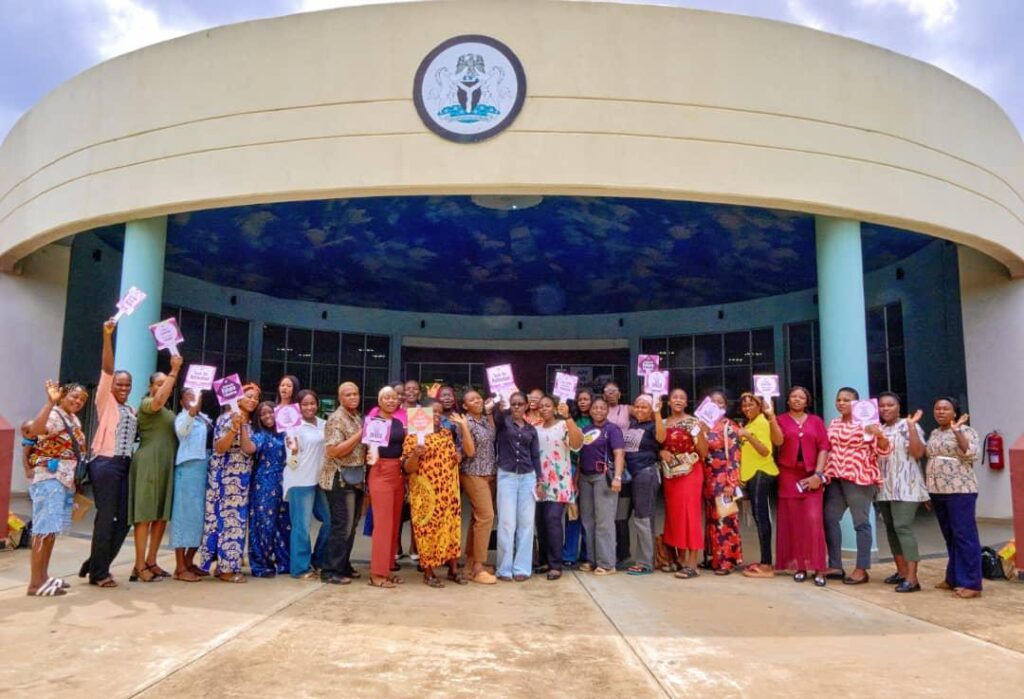
Oyo State's Nigeria Union of Journalists made this call during a training workshop on reporting during insecurity and fake news. The event took place at the NUJ Press Centre in Ibadan.
Participants urged media practitioners to adopt conflict-sensitive reporting methods. Sensational headlines should be avoided, they stressed.
Journalists must respect the dignity and privacy of violence victims. Their rights deserve protection in all reporting.
Continuous professional development and media literacy programmes are essential. Workers in the industry need updated skills to identify and counter fake news effectively.
Better teamwork between journalists, media organisations and security agencies was highlighted as crucial. This collaboration helps ensure accurate information reaches the public during crises.
Newsrooms should use emerging technologies like artificial intelligence responsibly. However, vigilance against misuse in spreading false information must remain strong.
Laws like the Cybrime Act should target misinformation without weakening press freedom. Legitimate journalism must not be undermined in this fight.
Media outlets have a duty to counter false narratives quickly. Publishing verified, accurate reports promptly when lies emerge is non-negotiable.
Strict enforcement of the Nigerian Broadcasting Code and Press Council Code of Ethics is vital. Accountability and professionalism must be upheld in all media practice.
Stakeholders reaffirmed the commitment to ethical journalism and truth-telling. The media's role in serving the public interest cannot be compromised.
Collective action and ethical gatekeeping are necessary to curb misinformation. These steps strengthen public trust and support peace and national development.
Journalists and media organisations must stick strictly to accuracy and verification principles. Reporting on security matters demands the highest standards of responsibility.
Growing challenges from fake news and unethical practices prompted the training. Nigeria's media landscape faces mounting pressure from disinformation campaigns.