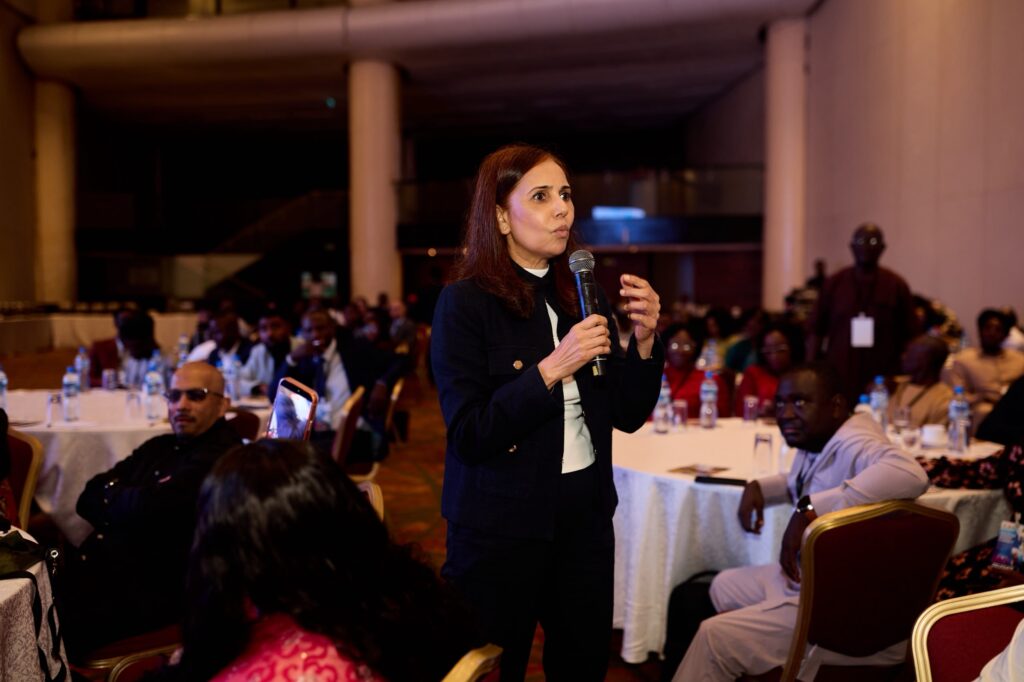

Nigeria is rolling out a nationwide campaign to establish a Cooperative Bank and modernise the cooperative sector through digital systems. The push kicked off in Lagos on Monday with a ministerial advocacy tour across the South-West zone.
Aliyu Abdullahi, minister of state for Agriculture and Food Security, unveiled the dual initiative at the event. He said it aims to reposition cooperatives as engines of inclusive growth and food security under President Bola Tinubu's administration.
According to him, cooperatives worldwide have shown they can mobilise grassroots capital and reduce poverty effectively. Nigeria must tap into this potential if it hopes to feed itself and empower citizens, he argued.
"If Nigeria must feed itself, empower its citizens, reduce poverty, and expand prosperity, then revamping the cooperative sector is not optional, it is urgent and non-negotiable," Abdullahi noted.
Central to the plan is a new Cooperative Bank of Nigeria. The bank will be 65 percent owned by cooperative societies and individual members, with 30 percent from private investors and 5 percent reserved for employees.
Abdullahi stressed the bank is "government-enabled but not government-funded." This structure, he explained, preserves cooperative control while meeting modern banking standards.
Approval for the broader Cooperative Reform and Revamp Programme came in March. It sits within the Renewed Hope agenda framework.
The ministry is also introducing a digitalisation framework for the sector. Cooperatives will receive a Cooperative Verification Number, while members get a CoopID linked to the National Identity Number.
These digital tools aim to weed out ghost cooperatives operating across Nigeria. Better data will boost investor confidence and attract financing to the sector.
Abdullahi called the Lagos event symbolically important because the South-West birthed Nigeria's cooperative movement in the 1930s. Returning here marked a homecoming of sorts, he said.
Folashade Ambrose-Medebem, Lagos State's commerce commissioner, spoke about the state's own modernisation efforts. She said cooperatives must evolve beyond traditional thrift groups into professionally managed, digitally enabled entities.
Lagos has intensified digital registration processes and electronic documentation systems statewide. Real-time data access now enables better planning and policy decisions, according to her.
In her words: "This transition is gradually eliminating manual bottlenecks, improving record accuracy, enhancing compliance, and enabling real-time access to cooperative information."
Lagos State launched the LASMECO programme to support cooperative-based lending. Participating cooperatives can access up to 10 million naira at a single-digit interest rate of 9 percent.
The financing model leverages what makes cooperatives strong. Peer accountability, social trust, and collective responsibility remain the bedrock of the approach.