
When digital progress dominates conversation, technology usually steals the spotlight. Artificial intelligence has become the blueprint for development across the continent.
Governments champion broadband expansion, automation, big data, digital finance, blockchain, and smart cities. African nations rush to build innovation hubs, digitise public services, and embrace machine learning and data-driven governance.
They tout massive investments in fibre-optic networks and digital economies.
Development agencies measure success by internet penetration and digital connectivity. International partners hail digital inclusion as the next engine of economic transformation, equating technological progress with national advancement.
Much of this optimism makes sense. The digital revolution has unlocked new pathways for commerce, education, healthcare, agriculture, financial services, and civic engagement.
Yet a harder question lurks beneath the excitement—one developing countries must confront: Can technology alone drive real development?
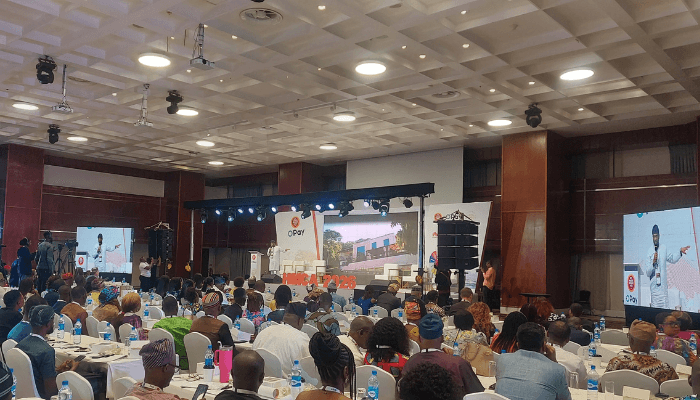
This question sat at the heart of a paper presented at the 2nd Interdisciplinary Conference of the Faculty of Social Sciences and Humanities, Ebonyi State University, Abakaliki. The conference explored how to drive human society in a digital era and unlock opportunities for the developing world.
The argument challenged conventional thinking. Technology doesn't move society forward by itself.
Instead, human progress springs from the continuous interplay of language, mind, and machine.
Technology builds the infrastructure, but language creates meaning. The human mind interprets that meaning, and digital algorithms determine how far it spreads.
Development in the digital age isn't just a technical challenge—it's fundamentally a communicative, cognitive, and social one.
This view rejects what scholars call technological determinism: the false belief that new technologies automatically trigger social progress. History tells a different story.
Societies transform not because gadgets appear, but because people communicate differently, think differently, organise differently, and act differently.
Technology might speed these shifts, but it can't replace them. A new framework helps explain this relationship—the Language–Mind–Code (LMC) Nexus.
The model identifies three inseparable dimensions in every digital interaction. First comes language.
Every platform—X, Facebook, WhatsApp, TikTok, YouTube, emerging AI tools—runs on communication.
News reports, political speeches, hashtags, memes, emojis, podcasts, videos, and comments are all linguistic tools through which people build reality. Language isn't just a messenger for facts; it shapes who people are, what they believe, which communities they join, and how power gets challenged.
The second dimension is the mind. Every digital message must pass through human thinking before it means anything.
Different people interpret the same information differently—shaped by their lived experience, education, emotions, culture, and political views.
In an age of endless data and competing narratives, how people process information determines whether development actually reaches them or passes them by.