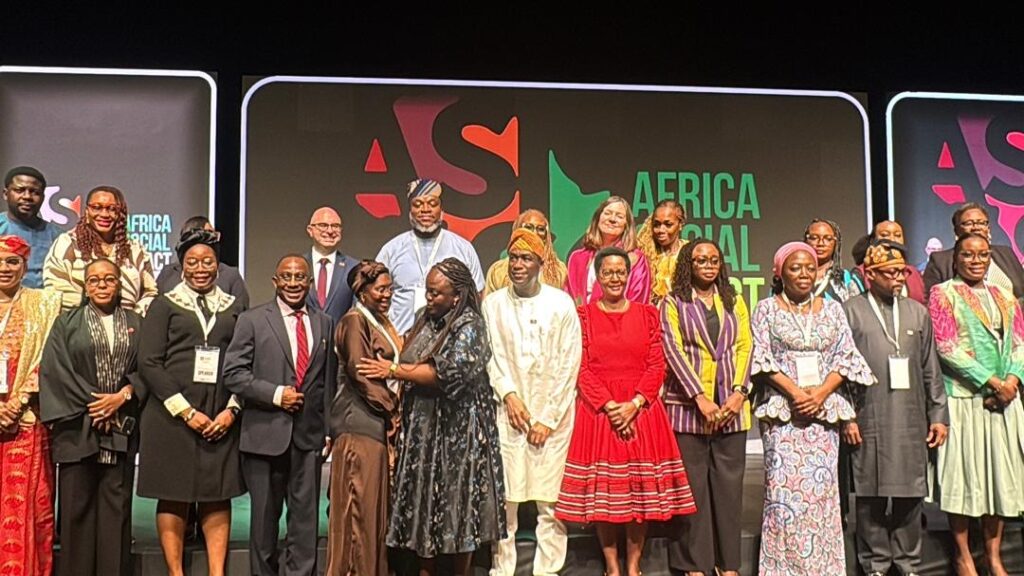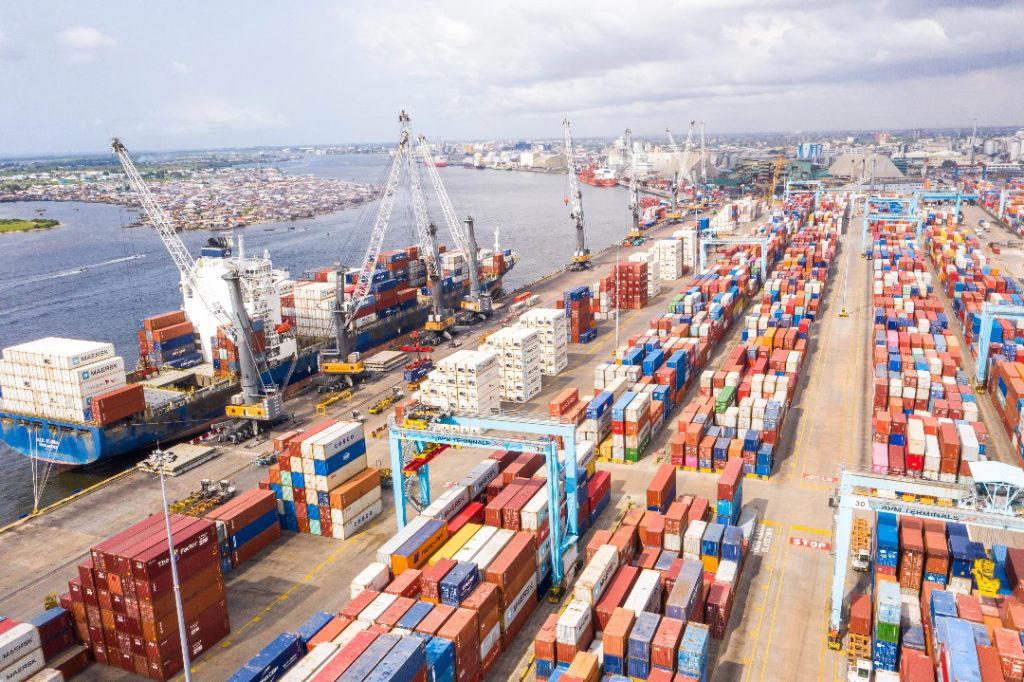
APM Terminals Nigeria has urged the country to build sustainable transport infrastructure starting from its seaports, calling them vital entry points for greener and more efficient supply chains. Westtar Kapito, chief commercial officer at APM Terminals Nigeria, made the plea during a sustainable transport discussion at the 10th Nigeria–EU Business Forum in Lagos recently.
Kapito told the gathering that embracing sustainable practices at Nigerian ports would cut emissions, boost how efficiently operations run and help Nigeria meet its environmental and economic targets. The forum drew together government departments, regulators, agencies, private operators, European banks and businesses keen to explore investment prospects.
"At APM Terminals, we recognise that the transition to sustainable transport begins at our ports," Kapito said. "This is why we have invested heavily in modernising Nigeria's maritime infrastructure."
He pointed out that each new crane, digital tool and infrastructure upgrade moves the country closer to fully electrified port operations. "The port of the future will not simply be larger, it will be smarter, more connected, more energy efficient and increasingly electrified," he added.
The company has poured resources into upgrading APM Terminals Apapa and turning WACT Onne into Nigeria's first green port, Kapito noted. APM Terminals has also invested in digital systems, waterway transport and works with Barging Marine Solutions limited on these projects.
Kapito framed the opportunity for Nigeria as stretching well beyond environmental gains. "Sustainable transport represents one of the greatest economic opportunities before Nigeria today," he said.
He stressed that the shift can unlock fresh investment, reinforce supply chains, boost energy systems, generate quality jobs and cement Nigeria's place as Africa's premier maritime hub. "The question is no longer whether sustainable transport will come to Nigeria.
The question is whether Nigeria will lead," Kapito told reporters.
Other voices at the session included officials from the Lagos State Waterways Authority, the Lagos Metropolitan Area Transport Authority and the Nigeria Railway Corporation. All speakers focused on pushing sustainability across every transport mode.
Kayode Opeifa, managing director of the Nigeria Railway Corporation, highlighted his agency's push to maximise current rail capacity. He called for funding to revive the Lagos-Kano narrow gauge line fully.
"We want the Lagos-Kano line to be fully operational," Opeifa said. The last journey on this route took place in September 2024, he noted.
His team has since rebuilt sections between Lagos and Ilorin, he added. "Just recently, we moved cement from Lagos to Ilorin a few times, making the fourth move in the last one month," Opeifa explained.
He painted a picture of future possibility. "Imagine being able to move cargo from Apapa port down to the Inland Dry Ports in Kaduna and Kano," he said.