
The International Monetary Fund has identified a significant gap in Nigeria's budget transparency, reporting that roughly 2 percent of gross domestic product in public spending went unrecorded in recent official documents. With Nigeria's economy valued at about N441.5 trillion, this shortfall translates to approximately N8.8 trillion in expenditure that didn't appear on the government's books.
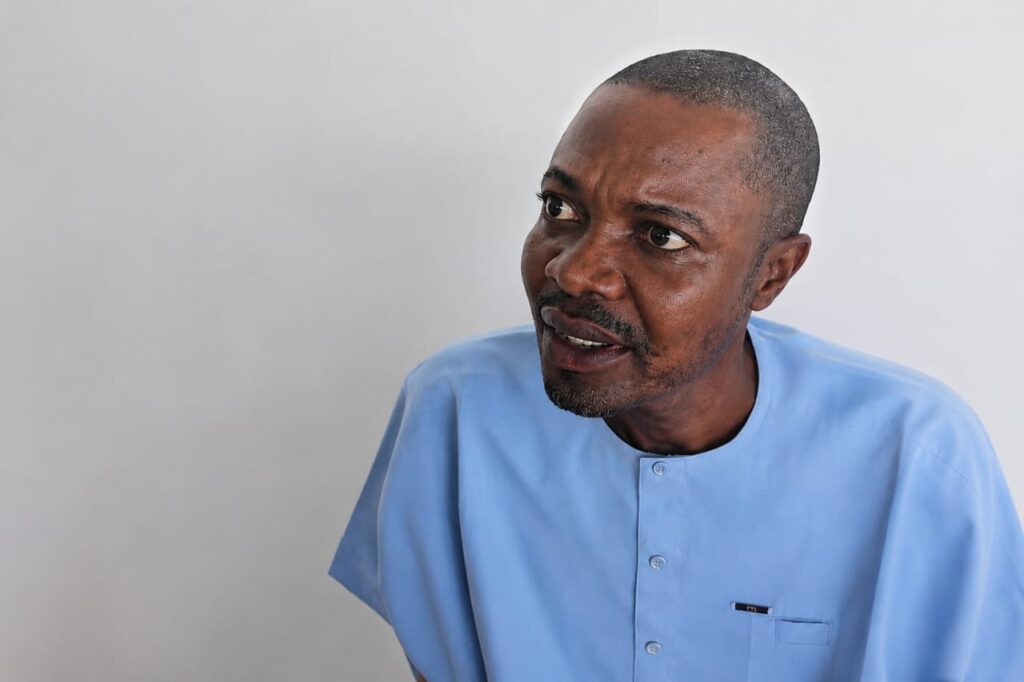
Christian Ebeke, the IMF's resident representative in Nigeria, said the missing funds stem largely from major government projects executed outside the formal budget process. He told reporters that this off-budget spending obscures the true picture of the country's fiscal health and actual borrowing needs.
"We think there is about 2 percent of GDP of expenditure that was not reported, which should be recorded so that this statistical discrepancy will disappear," Ebeke said. The unreported spending also prevents monetary and fiscal authorities from coordinating effectively, he added, since policymakers lack a complete view of government financing requirements.
The IMF official noted that off-budget spending raises serious red flags about procurement processes, accountability, and government oversight. He warned that these gaps make it harder for independent observers to assess Nigeria's true fiscal position and public investment levels.
Nigerian authorities have started tackling the problem by repealing and revising recent budget laws to include previously unrecorded expenditure, Ebeke confirmed. However, he stressed that updated budget implementation reports remain essential to fully capture these changes and restore transparency.
Ebeke's findings come after the latest IMF Article IV consultation on Nigeria, which praised the federal government for recent macroeconomic reforms. The fund credited these measures with strengthening economic stability and boosting investor confidence in the country.
Yet the benefits haven't yet reached ordinary Nigerians, the IMF cautioned. The fund also warned that economic gains remain fragile and vulnerable to external shocks, including escalating Middle East tensions.