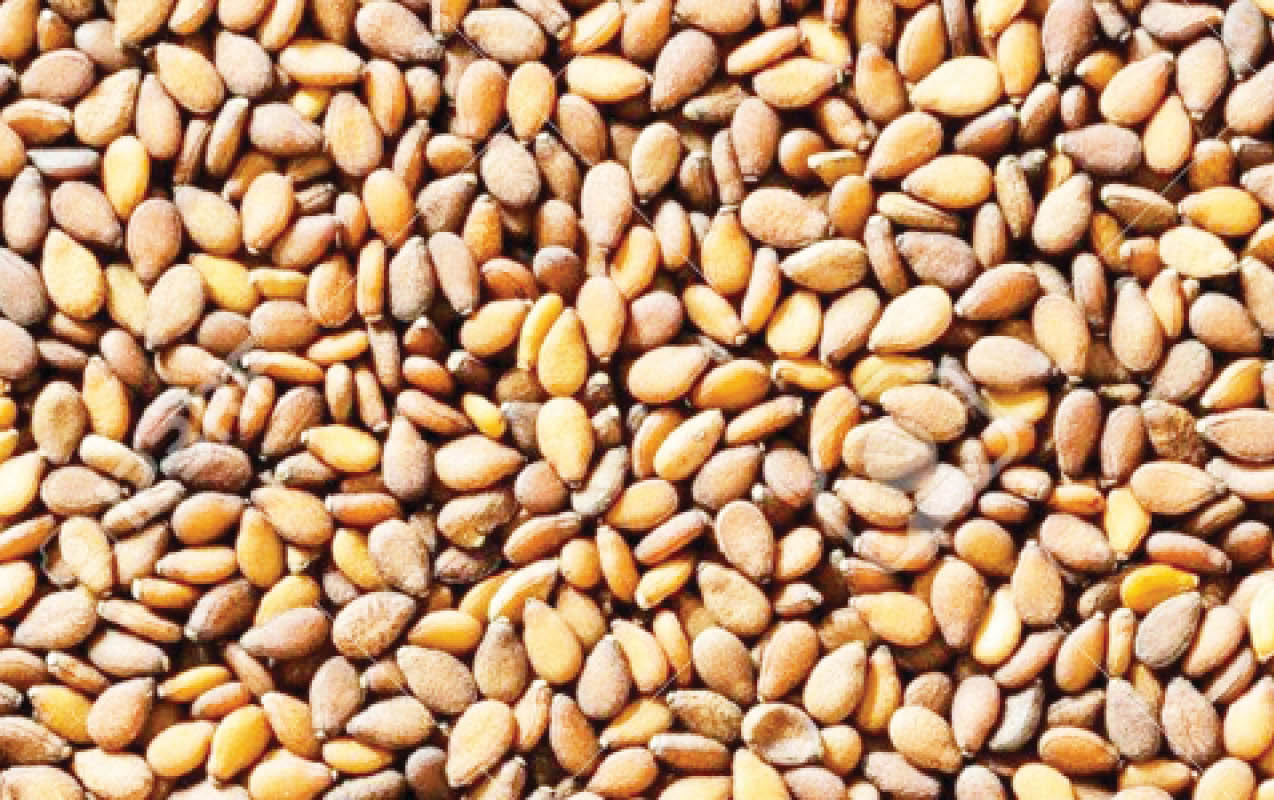
Nigeria's sesame seeds are being rejected at alarming rates in global markets. Yet the crop generated over ₦1 trillion last year and remains the nation's third-largest export.
Hajiya Amina Abdulmalik, NEPC's North West Regional Coordinator, blamed safety and quality failures for the rejections. She made the comments during a stakeholder training session in Kano on Thursday.
Farmers are spraying paraquat directly onto sesame seeds to quicken the drying process, she revealed. This dangerous practice leaves toxic residues that international buyers won't accept.
Poor post-harvest handling and reckless chemical use continue to damage Nigeria's reputation as the world's fourth-largest sesame producer. Abdulmalik warned that these lapses threaten the country's competitive standing.
"Quantity isn't our problem—quality is," Abdulmalik told the gathering. "If Western markets reject it, why would we push it locally?"
She stressed that higher farm incomes directly benefit the nation's economy. "But only when our sesame meets international standards," she noted.
Ibrahim Umar Halilu, a retired Deputy Director at Kano State Agricultural and Rural Development Agency, identified contamination and pesticide misuse as persistent challenges. Without urgent action, he warned, Nigeria will lose its competitive advantage.
Farmers must adopt global best practices across every stage of production. Site selection, planting methods, harvesting techniques, storage, and transportation all require serious overhaul.
The training programme aimed to teach farmers Good Agricultural Practices (GAPs). Adopting these standards would enable them to produce cleaner, safer sesame that passes international checks.
Clean sesame commands premium prices in overseas markets. That's the incentive officials are using to push compliance among growers.
Last year, Nigeria shipped 338,000 metric tonnes of sesame abroad. Without quality improvements, even that volume may face further rejections.