
Nigeria is mobilising domestic banks and private investment to tackle a $171 billion shortfall in climate financing, as officials stress that multilateral sources deliver less than two percent of the continent's climate funding needs.
The challenge dominated discussions at the 2026 Financial Institutions Training Centre (FITC) Sustainability and ESG Conference in Lagos, where policymakers, bankers, and finance leaders agreed that Nigeria's net-zero 2060 target relies far more on homegrown capital markets than foreign aid.
The country is now intensifying efforts to attract blended finance for climate adaptation, renewable energy, sustainable farming, and infrastructure projects while reducing reliance on strained international climate funds.
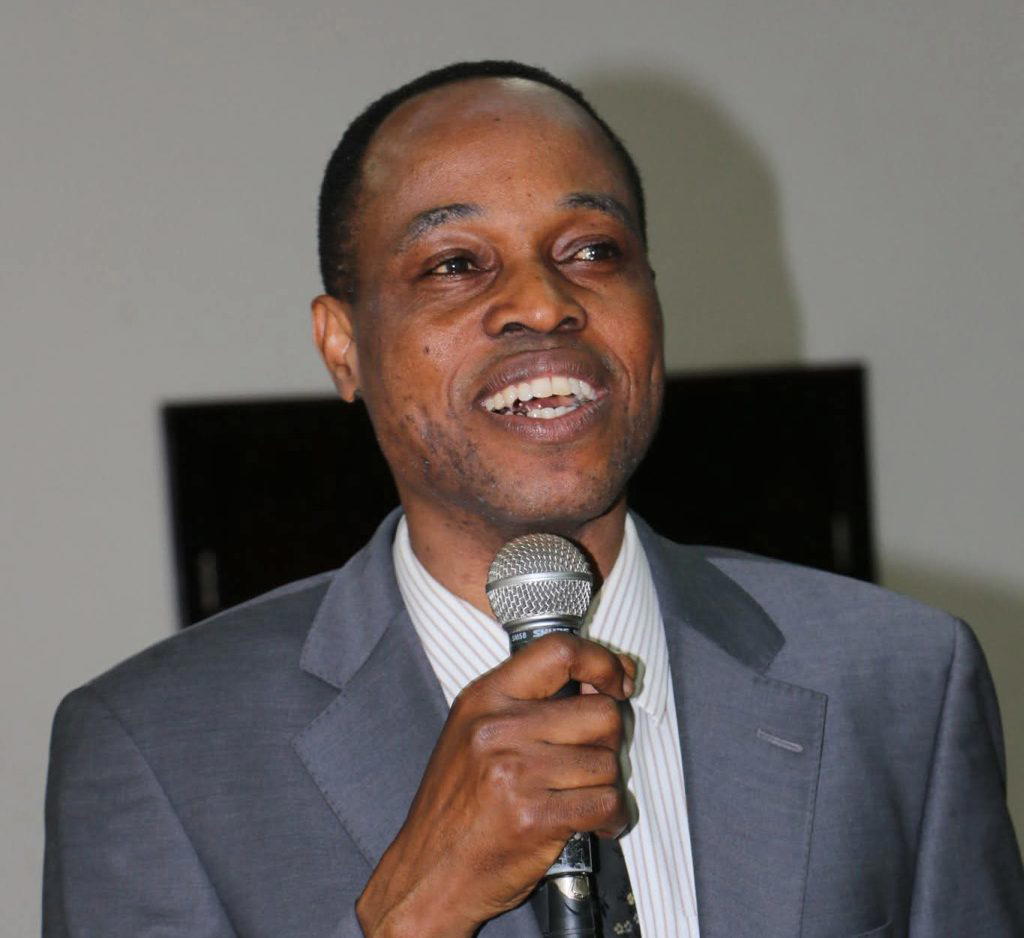
Philip Ikeazor, deputy governor for economic policy at the Central Bank of Nigeria, warned that Africa cannot depend on conventional climate finance channels anymore. Multilateral climate funds supply just two percent of what the continent actually needs, he told the conference.
According to Ikeazor, this funding gap creates an opening for local financial markets to lead sustainable investment efforts. He pushed banks to adopt green bonds, sustainability-linked loans, and other innovative tools while embedding climate and environmental risks into their core lending practices.
The central bank has increasingly signalled that sustainable finance matters, with regulators urging institutions to factor environmental, social, and governance (ESG) concerns into their risk management systems.
FITC organised the conference alongside Sterling Bank, drawing together financial institutions, regulators, policymakers, and business leaders to explore how sustainable finance can drive economic inclusion and climate resilience.
Sterling Bank used the platform to strengthen its position as a leader in Africa's green finance shift through industry partnerships and investment in sustainable sectors. Chizor Malize, FITC's managing director and chief executive, said sustainability has shifted from mere corporate reporting into the heart of economic planning.
She noted that Africa's young workforce and natural resource wealth offer real potential for sustained growth, yet warned the continent must move beyond talking about sustainability to implementing concrete, measurable solutions. "Around the world, sustainability and ESG have moved from the margins of corporate reporting to the centre of economic strategy," Malize said.
Real progress demands more than isolated company efforts, she added, calling instead for coordinated action that delivers tangible economic and social results.
The development finance sector also backs this shift toward local capital mobilisation. Olapeju Ibekwe, chief executive of ONE Foundation, highlighted that impact investing is now essential to meeting funding targets.