The World Cup's expansion to 48 teams was meant to give underrepresented continents a fairer shot at glory. Yet the quarter-final draw tells a starkly different story.
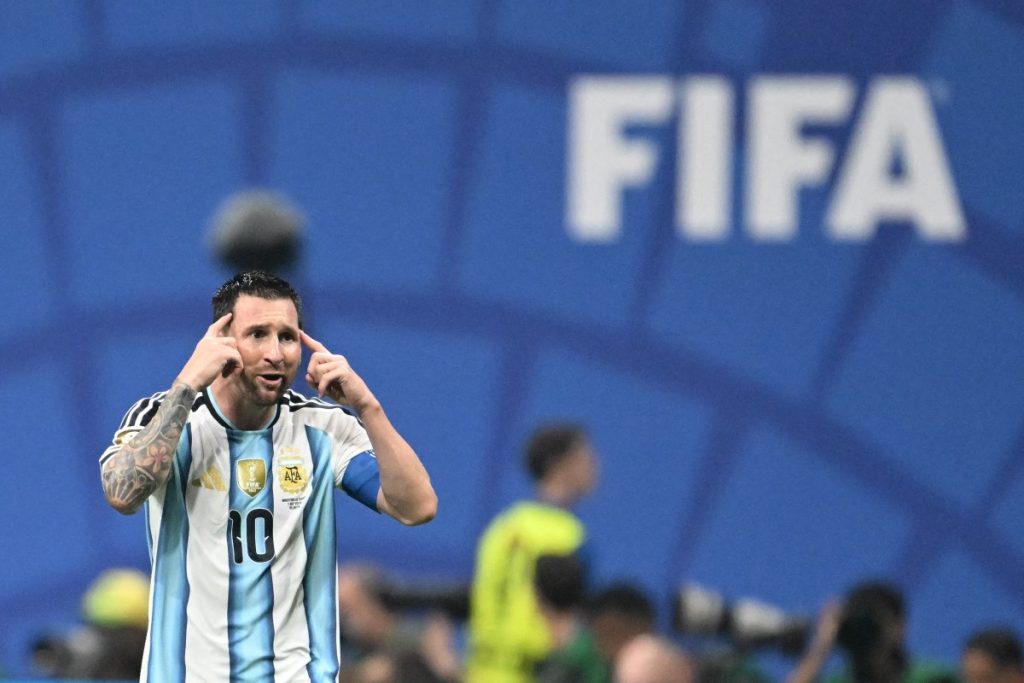
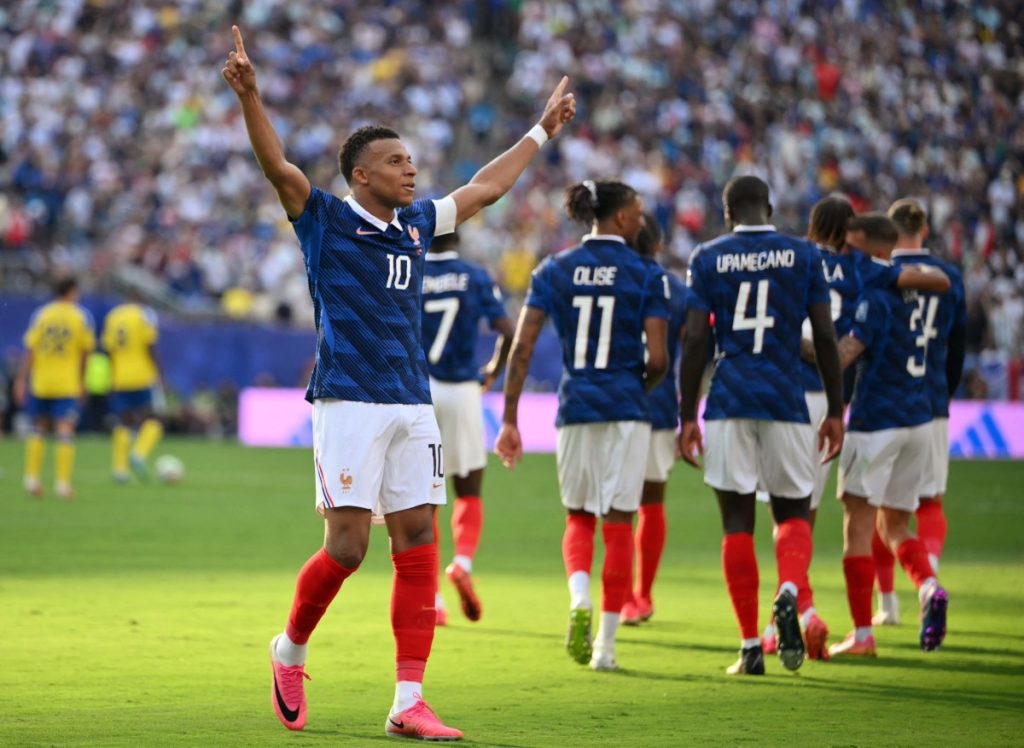
Six European nations remain in contention, alongside Lionel Messi's Argentina and Morocco. France, Spain, Belgium, England, Norway and Switzerland could even produce an all-European semi-final, just as happened in 2018.
The numbers reveal Europe's lingering dominance despite efforts to level the playing field. In 1990, when Italy hosted the tournament, Europe claimed 14 of 24 berths.
Now, with the expanded format, they hold 16 of 48 spots—a significant drop in percentage terms.
Yet at the business end, Europe's grip tightens. Six European teams in the quarter-finals actually exceeds the five that remained four years ago.
Only in 2002 did fewer European sides—four—reach this stage.
The reason is straightforward: wealth and infrastructure. Europe's biggest leagues attract the world's finest talent, and its academies churn out elite youngsters with regularity.
Western Europe's coaching systems remain the benchmark against which all others are measured.
Morocco stand as the sole African representatives, a continent granted 10 teams this tournament compared to just five in Qatar. The North Africans made history in 2022 by reaching the semi-finals, the first African nation ever to do so.
Their resurgence stems from a dual strategy. The Mohammed VI Academy, a state-of-the-art training ground near Rabat, has produced talents like playmaker Azzedine Ounahi.
But here's the twist: most of Morocco's squad was actually born in western Europe. Captain Achraf Hakimi and Brahim Diaz developed through Spanish academies.
Noussair Mazraoui came through the Dutch system, while Ayyoub Bouaddi was moulded in France.
In their 1-1 opener against Brazil, Morocco became the first World Cup team ever to field an entirely foreign-born starting XI at any point during a match. That achievement underscores how European development systems now serve global football.
Coach Mohamed Ouahbi praised both his side and France ahead of Thursday's quarter-final clash. "These two teams are even better than they were four years ago," he told reporters, "and that was to be expected given the great work being done by both federations."
Argentina present a different model. Most of their squad was born in Argentina, yet many were snapped up as teenagers by European clubs—Messi being the defining example, joining Barcelona as barely an adolescent.
Brazil's situation is bleaker. Nearly all their players ply their trade in Europe, yet they've failed to reach the quarter-finals for the first time since 1990.
Nearly a quarter of all players at this World Cup represent nations other than their birthplace. That statistic masks a deeper truth: European football remains the planet's talent factory, regardless of which flag players eventually wear.