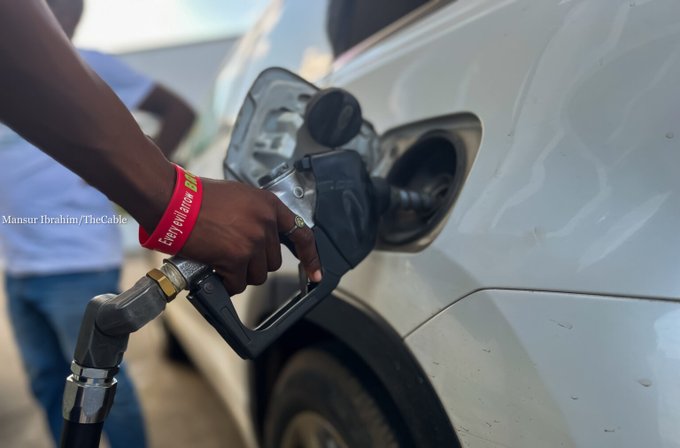
Motorists across Nigeria are demanding action from government and fuel sellers. They want pump prices slashed following crude oil's recent slide on global markets.
Tensions in the Middle East have eased significantly. This relief sparked the oil price decline that analysts had predicted weeks ago.
Brent crude fell to $73.14 per barrel on Wednesday. The American benchmark, WTI, dropped to $69.85 during the same period.
Prices continued their downward trajectory yesterday morning. Brent slipped to $72 before recovering slightly to $74 by afternoon.
Yet Nigerian motorists see little benefit at the pump. A litre of petrol that cost between N770 and N800 before Middle East tensions now sells for N1,200 to N1,300.
Dangote Refinery did cut its price on Thursday. The facility reduced its gantry rate by N50 to N1,125 per litre.
Imported fuel costs also edged downward yesterday, sources confirmed. Some marketers have passed on modest reductions to consumers.
In Kano, drivers told our correspondent about mounting pressure. Passengers resist fare increases while operating costs remain stubbornly high.
Abdullahi Musa, a commercial driver, explained the bind operators face. Rising fuel expenses squeeze profits while commuters push back against higher fares.
Many vehicle owners in Kano now shun private cars. They've switched to cheaper public transport to stretch their budgets further.
Kano petrol prices barely budged despite crude's collapse. Stations charged N1,330 per litre, down just N40 from N1,370 previously.
Rivers State residents report similar frustration and disappointment. Petrol still ranges between N1,200 and N1,300 per litre across most stations.
Commercial drivers there said they'd cut fares immediately. But only if fuel retailers actually reduce their prices first.
Maiduguri residents in Borno State called the situation unacceptable. Our correspondent found petrol selling between N1,300 and N1,400 per litre.
Diesel prices in the city reached N2,200 per litre. Tricycle operators and motorists described these costs as deeply disappointing.
Modu Baana, a Maiduguri motorist, questioned the delays. Why do independent sellers maintain prices above N1,300, he asked reporters.
Another resident, Bilya Abubakar, made a broader point. Nigeria produces crude oil but fails to shield citizens from international shocks.
Motorists in Benue, Kwara and other states echoed these complaints. They noted price hikes arrived instantly when geopolitical tensions spiked upward.
But when crude falls, reductions come slowly or not at all. Households, businesses and transport operators all suffer under sustained pressure.
The pattern frustrates commuters nationwide, sources said. They want fuel sellers and officials to act decisively now.