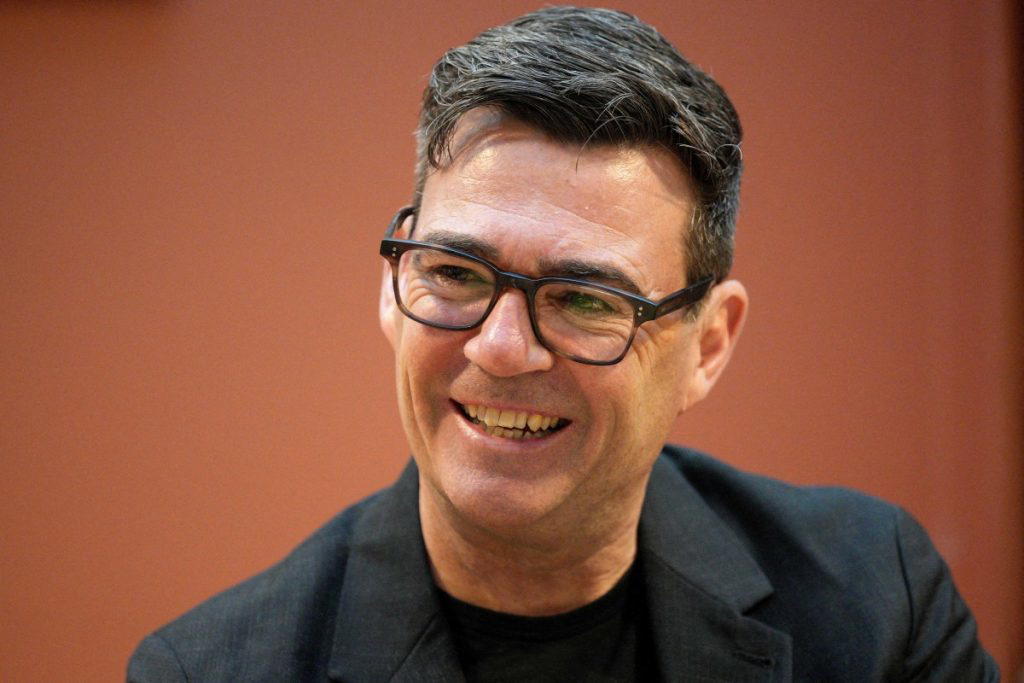
Andy Burnham took the helm as UK prime minister on Monday, immediately overhauling his cabinet by removing several ministers loyal to his predecessor Keir Starmer. The 56-year-old swiftly signalled a shift leftward, pledging a 10-year strategy to tackle the cost-of-living crisis gripping the nation.
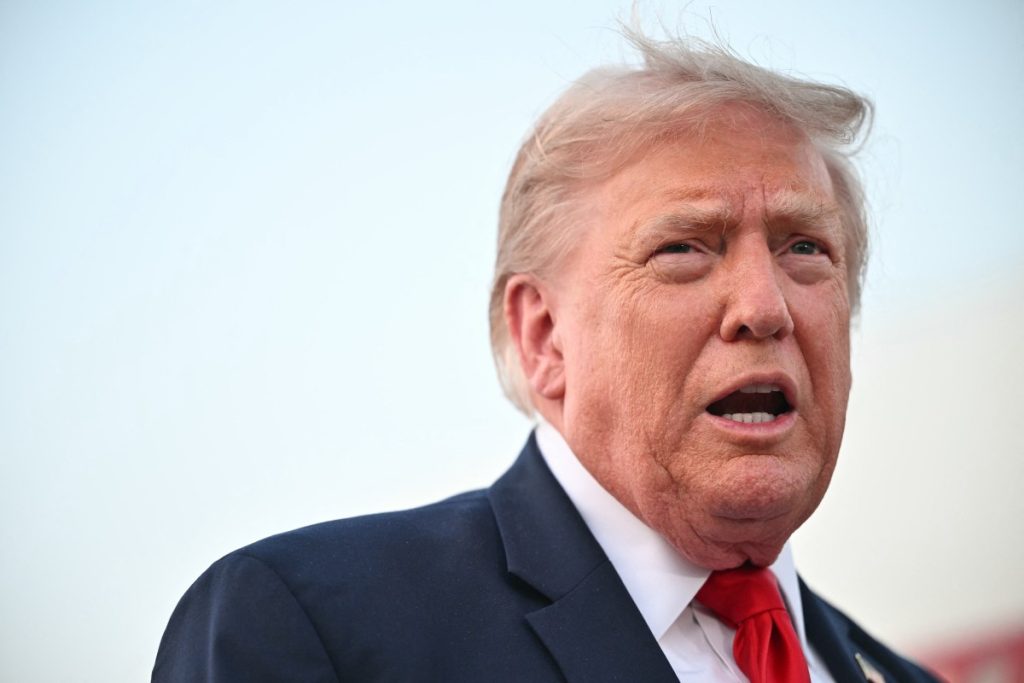
Burnham wasted no time asserting control after meeting King Charles III at Buckingham Palace. He placed separate calls to US President Donald Trump and Ukrainian leader Volodymyr Zelensky before unveiling his new ministerial team.
During his conversation with Trump, a UK government spokesperson said Burnham emphasised his "commitment to defence and security". In his talk with Zelensky, he reaffirmed Britain's "resolute commitment" to Ukraine's fight against Russian invasion, according to Downing Street.
Standing outside Number 10 with his wife Marie-France van Heel beside him, Burnham vowed to fashion "a new political model" and "build a new economy". Cheering supporters, including his mother, greeted him as he arrived at his official residence.
The new premier promised the nation needed to demonstrate it could "regain stability" on the world stage. He becomes the fourth prime minister to serve under King Charles since 2022 and Britain's seventh in just over a decade.
Burnham removed finance minister Rachel Reeves and foreign secretary David Lammy from their posts, signalling his intent to reshape the government in his image. John Healey, the former defence secretary, stepped into Reeves's finance role while Ed Miliband took over as foreign minister.
Angela Rayner, a left-wing figurehead, returned to government in the reshuffle. Wes Streeting, who chose not to challenge Burnham for the Labour leadership, now heads the defence ministry.
Shabana Mahmood retained her interior portfolio, continuing her strict overhaul of Britain's asylum framework. Without offering specifics, Burnham told those assembled that he'd "bring forward a new plan for Britain, a 10-year plan".
The prime minister pledged to "give people some breathing space now, some help with the cost of living", promising further details on Tuesday. His maiden instruction would tackle rough sleeping, he said—a goal he'd pursued as a regional mayor in northern England with mixed results.
Burnham committed to re-industrialising Britain through state procurement and expanding public housing stock. He stated that "in the 1980s Britain took some wrong turns", vowing to shift power away from Westminster and "put life's essentials back under stronger public control to make them affordable".
Starmer departed Downing Street earlier with his wife, insisting his two years in office had left Britain "stronger and fairer". The outgoing premier leaves Burnham facing mounting pressures, from a sluggish economy to widespread public discontent.