
Apple's iPhone 17 has cemented its place as a camera powerhouse, excelling at video capture, colour fidelity and straightforward photography. Yet Android makers have closed the gap dramatically, with some even surpassing Apple in specific areas through larger sensors, smarter AI and superior zoom capabilities.
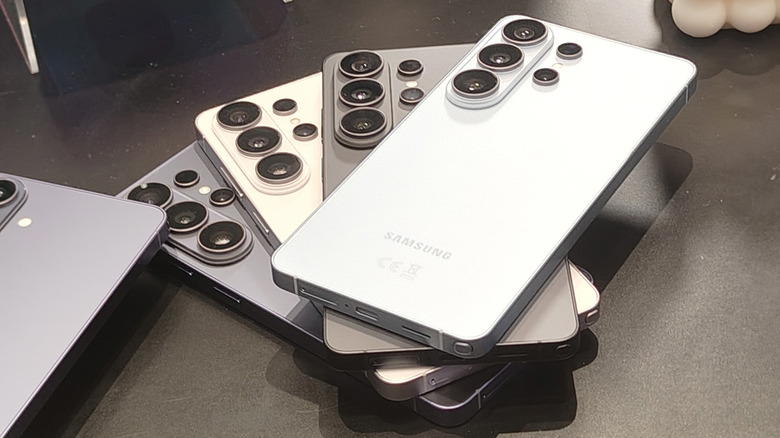
The Samsung Galaxy S26 Ultra stands as the iPhone 17's fiercest Android rival. Its 200-megapixel main sensor, enhanced telephoto lenses and AI-driven processing deliver remarkable shots in virtually any light, while its zoom reach and video quality rank among Android's finest.
Google's Pixel 10 remains the computational photography benchmark. The phone captures naturally balanced images with impressive dynamic range, and its dedicated telephoto lens outperforms the standard iPhone 17 for zoomed shots.
Photographers drawn to specialist hardware should consider the Xiaomi 15 Ultra. Built with Leica-engineered optics, it produces crisp details, vibrant colours and impressive low-light imaging through a large sensor and potent telephoto unit.
The Vivo X300 Pro has earned respect for portrait and video prowess. Developed alongside ZEISS, this camera system delivers accurate colours, fine detail and smooth stabilisation—aspects some reviewers now rate above the iPhone 17 Pro for video work.
OPPO's Find X8 Pro brings a balanced camera setup featuring Hasselblad colour grading. Strong night performance and telephoto reach make it a legitimate challenger to Apple's latest device.
Honor's Magic7 Pro merges high-resolution sensors with intelligent processing for punchy, detailed shots. Its low-light strength and portrait reliability compete with premium rivals across the market.
OnePlus continues its Hasselblad partnership through the OnePlus 13. The phone delivers accurate colours, sharp detail, strong daylight images, capable portraits and steady zoom performance—a genuine flagship alternative to the iPhone 17.
The Sony Xperia 1 VI caters to those seeking full creative autonomy. Rather than leaning heavily on AI, it hands photographers manual controls over shutter speed, ISO and focus, delivering DSLR-like flexibility on a mobile device.