Thousands of people took to the streets across South Africa on June 30, 2026, demanding that undocumented foreigners leave the country. The coordinated marches capped weeks of escalating tension driven by citizen-led vigilante groups and minor political parties that had set the unofficial deadline.
The campaign has already forced thousands to flee and left four people dead. Police deployed in heavy numbers to contain looting and violence as demonstrators massed in major cities.
In Johannesburg, South Africa's financial hub, shops shuttered their doors and transport hubs emptied as crowds surged through the centre. Security forces escorted a handful of foreign nationals away from mobs wielding large sticks in confrontations near the city.
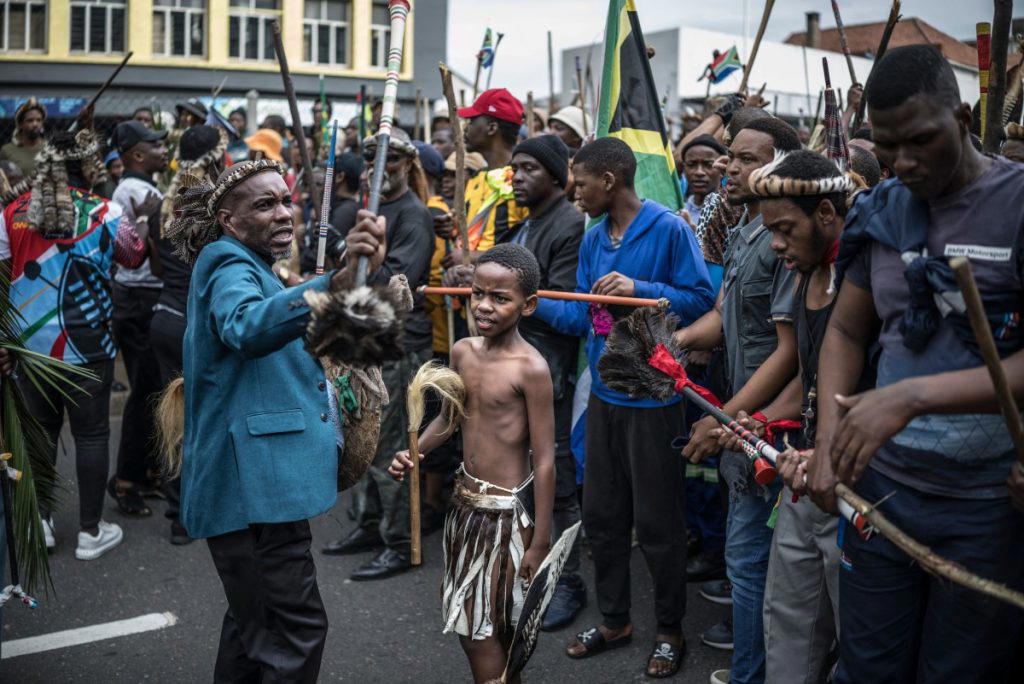
Some protesters wore traditional Zulu warrior garb, waving flags and holding placards as they marched. Officers in bulletproof vests and riot helmets watched the demonstrations closely.
Durban, the southeastern city in the Zulu heartland, saw particularly striking scenes. Demonstrators dressed in traditional attire carried spears, whips and shields, with some draped in leopard skins.
Isolated incidents of stone-throwing and looting erupted during the day. Hundreds of foreign nationals sought refuge in several cities, desperately trying to arrange departures.
The movement gained momentum from two main groups: the "March and March" campaign and Operation Dudula. Together, they've mobilised a loose coalition intent on removing undocumented migrants.
Police scrambled to prevent the demonstrations from turning violent. The force recognised the risk posed by xenophobic sentiment spreading through the crowds.
The situation reflects mounting tensions over immigration in South Africa, where unemployment and economic hardship fuel resentment toward foreign nationals. Citizens have blamed outsiders for competing for scarce jobs and resources.
Advocacy groups have warned that the campaign risks sparking wider communal violence. The death toll already stands at four as the crisis deepens.
Many undocumented migrants now face an impossible choice: stay and risk violence, or attempt dangerous journeys to leave. Shelters in major cities report surging numbers of people seeking assistance.
The unofficial June 30 deadline carried no legal force, yet it galvanised action by emboldening vigilante groups. Police faced criticism for failing to protect vulnerable foreigners during the unrest.
The marches revealed deep divisions within South African society over who belongs and who doesn't. Economic anxiety continues to drive the anti-immigrant sentiment gripping the nation.