
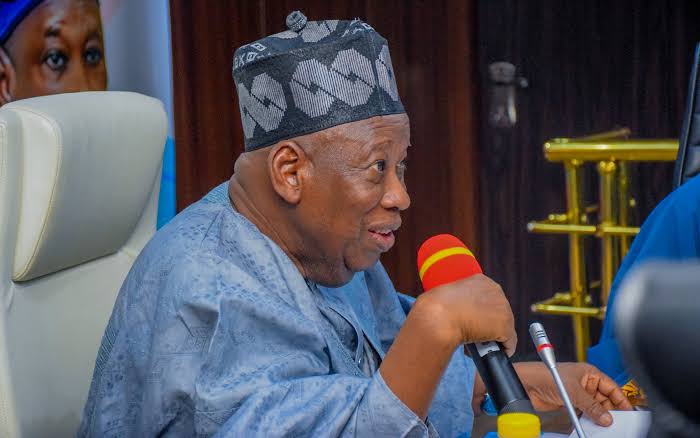
Dr Abdullahi Umar Ganduje has clarified his position on the Kano emirship crisis. Only Nigeria's Supreme Court can resolve the dispute, he insisted.
The former governor was responding to reports suggesting he'd backed Muhammadu Sanusi II's claim to the throne. He denied endorsing any candidate in the ongoing legal battle.
During the deputy governor's swearing-in, Ganduje used Sanusi's traditional title as a courtesy gesture. This sparked speculation about his actual stance on the succession.
"It was simply an expression of respect," he said through a statement. His former Information Commissioner and Chief of Staff released the clarification.
Ganduje warned against public commentary that could prejudice the case. The emirship matter remains sub judice, he noted pointedly.
A Court of Appeal ruling earlier directed all parties to maintain current arrangements. This stays valid until the Supreme Court delivers its judgment.
According to him, Aminu Ado Bayero holds the status of 15th Emir currently. Sanusi II retains recognition as the 14th Emir pending final determination.
As a former governor, Ganduje stressed he lacks constitutional power to endorse claimants. That authority belongs solely to the courts and state government.
He blamed media outlets for amplifying his remarks beyond their scope. What was routine protocol acknowledgment became exaggerated, he complained.
Ganduje urged restraint from all parties involved in the succession struggle. Everyone should await the Supreme Court's April judgment, he advised.
The Kano emirship has generated intense public debate across the state. Political and traditional considerations have made the case highly contentious.
Multiple court rulings have attempted to resolve the competing claims without success. The Supreme Court remains the final arbiter in this matter.