South Africa’s government is racing to secure calm ahead of the June 30 anti-immigration protests, trying to enlist royal houses and diplomacy as groups threaten a national shutdown.
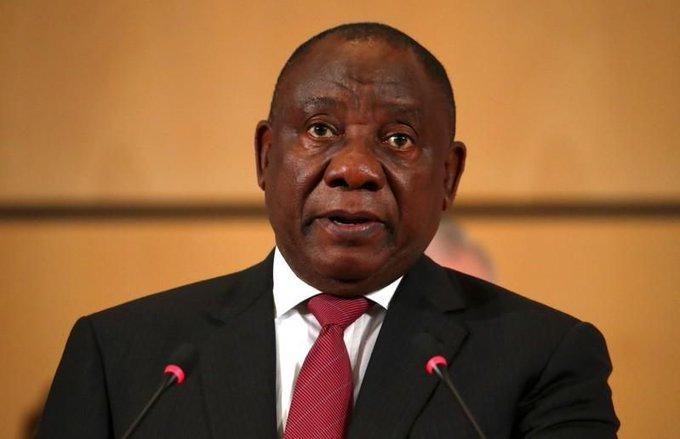
In the coming days, President Cyril Ramaphosa who has largely been silent, will meet leaders of South Africa’s traditional and royal houses as part of a broader government effort to contain rising anti-immigrant tension before Tuesday’s planned protests, the date that South Africa’s violent vigilante groups have set as an unlawful deadline for undocumented foreign nationals to leave the country.
The Presidency confirmed the planned engagements on Friday but stopped short of guaranteeing the attendance of King Misuzulu kaZwelithini.
“The IMC [interministerial committee] and Natjoints have already met the King on migration issues,” said Vincent Magwenya, the spokesperson for the president. The president will be meeting royal families on migration, but we don’t have confirmation yet that the King [Misuzulu] will be in attendance.”
The meeting follows outreach last week by the interministerial committee on migration to representatives of the royal Zulu household, after King Misuzulu called for calm amid a surge in xenophobic sentiment ahead of the deadline.
The IMC’s direct engagement with the Zulu royal family follows the use of traditional Zulu regalia and songs by protest figures Ngizwe Mchunu and Nkosikhona “Phakelumthakathi” Ndabandaba, in their various anti-immigrant marches, mostly in KwaZulu-Natal, the Eastern Cape and Gauteng.
At least two people have been killed in anti-immigrant attacks and several African countries have dispatched aircraft to repatriate thousands of their nationals leaving the country.
Deputy president Paul Mashatile also met traditional leaders earlier in June, engaging them on migration matters and the government’s five-point plan for managing immigration. His outreach reinforced the administration’s strategy of using South Africa’s traditional leadership structures as a stabilising force at community level, where much of the tension is playing out.
On the diplomatic front, ANC deputy secretary-general Nomvula Mokonyane met African ambassadors based in Pretoria last week. Business Day understands the ANC used the meeting to distance itself from violence targeting immigrants while assuring ambassadors that their nationals remain safe in the country.
The vigilante movement March and March, along with more than 20 allied organisations, has spent months organising marches through Johannesburg, Pretoria, Durban and Cape Town, demanding that undocumented foreign nationals leave by June 30. Government officials have repeatedly said the ultimatum has no standing in law.
Ramaphosa addressed the nation on television earlier this month, arguing that illegal immigration is not the cause of the country’s social and economic difficulties, while conceding that there had been failures in border control.
South Africa’s four largest labour federations issued a joint statement this week warning workers that participating in the June 30 protests would not be protected and that removing foreign nationals would not reopen factories, repair municipalities or create sustainable jobs.
In practice, those targeted in attacks have frequently included anyone perceived to be an immigrant of African or Asian origin, whether in South Africa legally or not.