Nigeria's power sector has undergone sweeping reforms over the past 20 years, yet the country still struggles to deliver reliable electricity to all citizens. The reforms—from the 2005 Electric Power Sector Reform Act to the 2013 privatisation of generation and distribution assets—were designed to boost efficiency, draw private investment, and strengthen power delivery.
But expanding generation capacity alone hasn't solved the problem. The real issue is building an interconnected system with solid regulatory certainty, investment frameworks, and technical capacity to develop and maintain large-scale projects.
The Electricity Act 2023 marks the most ambitious effort yet to tackle this challenge. It decentralises electricity regulation and opens doors for states, private investors, and subnational bodies to take a more active role in the power sector.
Crucially, it allows state governments and local actors to participate directly in electricity generation and distribution.
This creates a clearer path for tailored solutions that can expand access to communities currently without power or with unreliable supply. The act fundamentally shifts how electricity markets can operate across Nigeria.
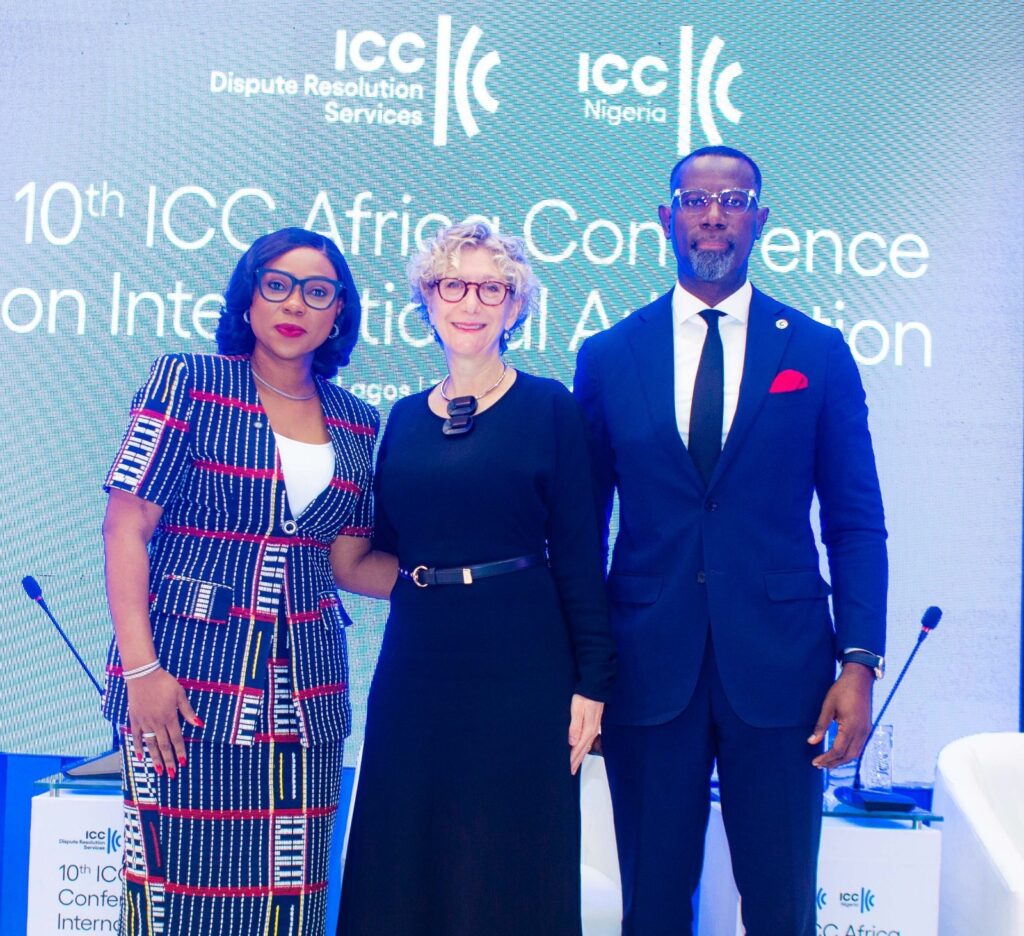
This shift was a central theme at the 10th ICC Africa Conference on International Arbitration. During a fireside chat, panellists emphasised that Africa's real investment challenge isn't finding opportunities—it's building confidence in systems.
That point matters most in the energy sector, where attracting the massive investment needed for infrastructure depends on clear rules, predictable markets, and institutions that back long-term participation.
Genesis Energy Group has worked in Nigeria's power sector since 2005, guided by one principle: energy is life. In the early 2000s, the company operated as an oil trading business but began asking what truly energises economies and transforms societies.
The answer was clear: without modern electricity access, sustainable economic growth and social progress hit a ceiling. Over nearly two decades, Genesis has delivered power projects tailored to specific energy needs across sectors and communities.
These experiences have revealed crucial lessons about delivering reliable power in Nigeria's operating environment. The Electricity Act 2023 now offers a chance to build on this practical knowledge.
As states open new electricity markets and businesses hunt for more dependable energy, collaboration between government, regulators, investors, and experienced energy companies becomes essential. Only then will reform translate into real results on the ground.
Genesis recently partnered with Katsina State Government on a multi-phase energy infrastructure programme. The project includes solar photovoltaic generation, battery energy storage systems, and complementary energy solutions across the state.
Two grid-connected solar farms have already been commissioned under the partnership. The programme also solarised General Hospital Katsina, which now runs on a combination of solar power and battery storage.