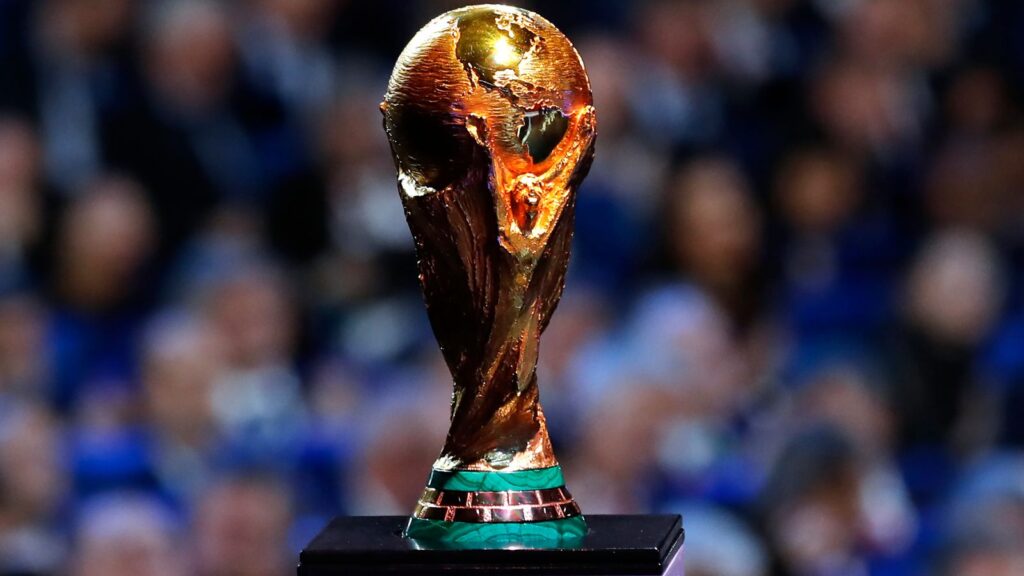
The FIFA World Cup remains football's grandest spectacle. Since 1930, it has grown from a 13-team tournament in Uruguay to a 48-team global festival that captivates billions.
Brazil leads all nations with five titles. Germany and Italy have won four each, while Argentina claimed the 2022 crown.
But the World Cup means far more than just sport. It's a multibillion-dollar business engine driving sponsorships, broadcasting rights, and national branding.
Football has evolved into a high-stakes industry. Broadcasting deals, merchandising, tourism, and endorsements generate enormous economic value for stakeholders worldwide.
Nigeria's Super Eagles have produced legendary players. Jay-Jay Okocha, Ahmed Musa, Nwankwo Kanu, and Vincent Enyeama became household names on the world stage.
Yet the nation underutilizes these icons as diplomatic assets. They're celebrated during tournaments, then largely forgotten between competitions.
England's Premier League demonstrates football's commercial reach. Research from EY shows the 2023/24 season generated £9.8 billion in gross value added to the UK economy.
That figure represents a 21% increase from recent years. It's over 14 times higher than the 1998/99 season.
The league supports more than 100,000 full-time jobs. It contributes £4.4 billion in taxes that fund public services across Britain.
Clubs attract massive global audiences every matchday. Average crowds exceed 40,000, with billions more watching via television worldwide.
Rwanda offers a masterclass in sports diplomacy. The country leveraged football through its "Visit Rwanda" campaign to boost national promotion.
Arsenal became Rwanda's flagship partnership in 2018. The sleeve sponsorship deal was worth approximately £10 million annually.
PSG and Bayern Munich followed with their own Rwanda partnerships. The strategy transformed Rwanda's global image significantly.
Tourist arrivals climbed to 1.3 million in 2024. Tourism revenues hit US$650 million—a substantial jump since the Arsenal deal began.
The campaign showcased Rwanda's beauty, conservation efforts, and stability. Millions of football fans learned about the nation through club sponsorships.
Nigeria possesses even greater potential for this approach. The country has rich culture, a vibrant diaspora, and deep football pedigree.
Players of Nigerian heritage play for Europe's biggest clubs. Bukayo Saka represents the next generation of talent with Nigerian blood.
Yet post-career narratives often focus on struggles. Former stars frequently appear in stories about health problems or financial difficulties.
Many fade from national prominence altogether. They deserve strategic empowerment and prominent roles in national affairs.
These legends remain far more popular than most politicians. Yet they rarely feature in presidential entourages or state visits.
Nigeria should transform football into a national branding tool. Success requires strategic partnerships and deliberate positioning of iconic players.
The potential impact could exceed Rwanda's achievements. Nigeria's football heroes can become the nation's strongest marketing asset.