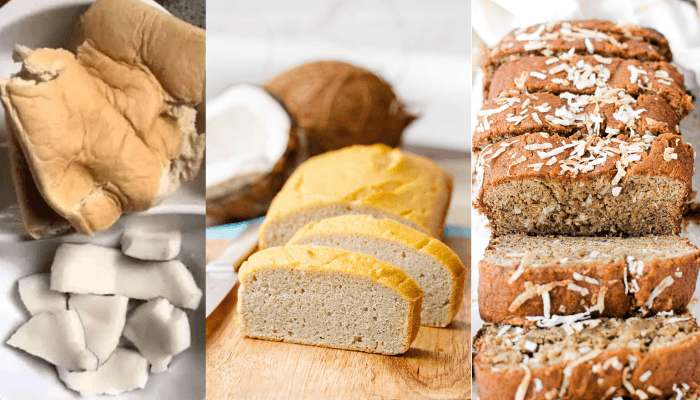
Nigerians have long cherished coconut as a tropical staple. Beyond drinking its water, many now pair fresh coconut with bread as a beloved snack.
This simple combination means far more than just quick sustenance. It represents a cultural practice that travels through generations across our communities.
Adults often recall childhood moments savoring bread and coconut together. School days, family gatherings, and communal life in towns and cities created these lasting memories.
Rich and poor alike have embraced this pairing for decades. Students, workers, traders, and families have all depended on it.
The tradition transcends economic boundaries and geographical lines. It connects Nigerians through shared experiences and nostalgia.
Nutritionally, fresh coconut delivers healthy fats, dietary fibre, and minerals like potassium and magnesium. Bread provides the carbohydrates needed for daily energy and activities.
Together, they create a balanced meal that has nourished generations. But nutrition tells only part of the story.
Food remains one of humanity's strongest expressions of cultural identity. Communities worldwide preserve their unique culinary practices as symbols of history and values.
UNESCO recognizes such traditions as intangible cultural heritage. This includes customs, knowledge, and practices that define a community's identity.
Through its Intangible Cultural Heritage programme, UNESCO champions living traditions. These range from performing arts to festivals, traditional crafts, and culinary practices.
Food customs have gained growing international recognition in recent years. They embody collective knowledge, social bonds, and cultural continuity across societies.
Nigeria possesses a rich culinary heritage. It extends beyond celebrated dishes and ceremonial meals into everyday food practices like bread and coconut.
Eating this pairing reflects our nation's story. It speaks to our uniqueness, adaptation, resilience, community values, and local food traditions.
Nigerians have creatively combined readily available ingredients to nourish themselves. These modest meals carry profound cultural meaning.
Documenting such food traditions could strengthen broader preservation efforts. Our culinary heritage deserves global recognition and protection.
The bread-and-coconut combination warrants consideration for UNESCO's global plate. This humble snack represents humanity's shared cultural wealth.