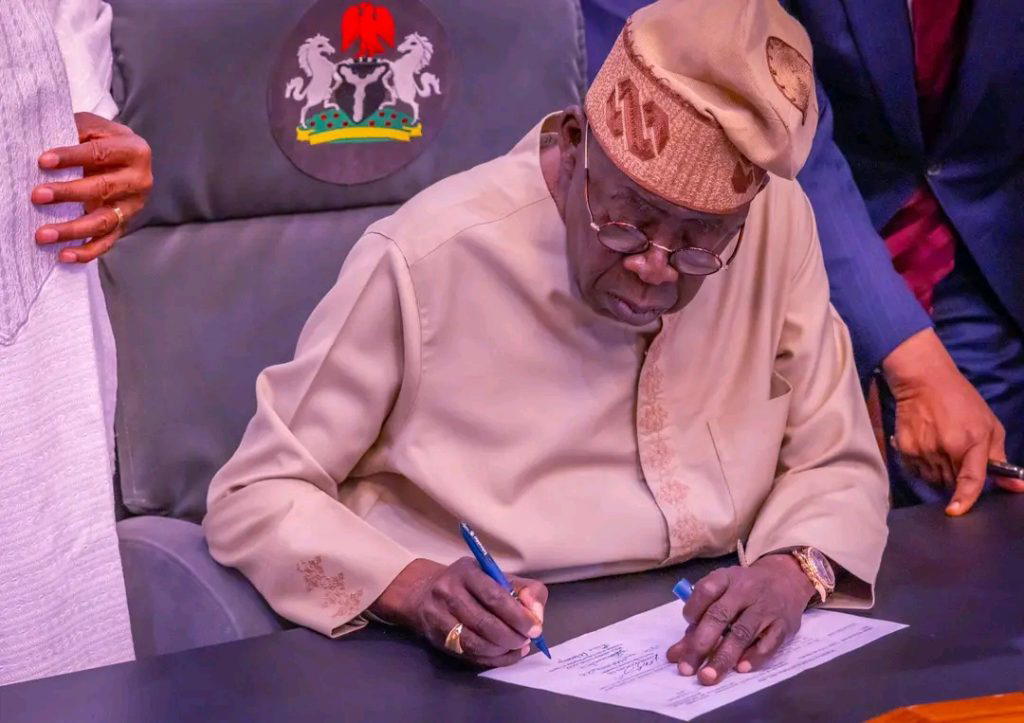
Nigeria's fashion industry now has the institutional framework it's lacked for decades. The Nigerian Fashion Council was formally inaugurated on March 4, 2025, by the Federal Ministry of Education through the National Board for Technical Education.
The sector represents one of Africa's most vibrant creative economies. It spans designers, craftspeople, manufacturers, and textile producers across the continent.
But the industry has operated without unified direction or coordination. Now, the NFC aims to change that fundamental reality.
Funmi Ajila-Ladipo leads the council as executive national chairperson. She's a creative director at House of Regalia and former president of the Fashion Designers Association of Nigeria.
"We are the institutional backbone this industry has needed for decades," Ajila-Ladipo told reporters. According to her, the council represents a watershed moment for Nigerian fashion's future trajectory.
The council's mission is ambitious. It seeks to unite every stakeholder—from policymakers to artisans—around a shared vision of growth and global competitiveness.
Three strategic pillars anchor the council's work. Build, Innovate, and Protect form the operational framework for sustainable industry transformation.
Build focuses on creating foundational systems and infrastructure. This pillar ensures designers and professionals operate to world-class standards in their respective fields.
Innovate positions the council as a driver of creative evolution. It pushes ingenuity across all business dimensions within fashion and textiles.
Protect safeguards the industry's most valuable assets. These include human capital, cultural heritage, and economic returns through certification and professional standards.
The council brings together senior practitioners, academics, and government officials. Its membership reflects Nigeria's entire fashion and creative value chain.
Tope Adebanjo serves as vice president. He founded Borta-Cup Ventures and represents Tasaree International Limited in Nigeria.
Maryam Adamu holds the position of executive national secretary. She founded 21stitches Nigeria Limited and its training center.
Olutoni Philip-Aina acts as executive council adviser. He runs BluVelvet Fashion Institute and BluVelvet Fashion Consulting.
Comfort Anave Mado-Alabi directs Academia. She leads Na'Vave Global Limited and sits on the board of the Association of Formidable Fashion Professionals of Nigeria.
Hamma Ali Kwajafa manages Research and Sustainability efforts. His role underscores the council's commitment to long-term sector development.
The council operates as the official Sector Skills Council for Fashion, Leather, Accessories, and Textiles. This designation provides it with formal government recognition and authority.
Industry fragmentation has long hampered Nigeria's fashion sector. Competing associations and individual designers lacked coordinated strategy or unified voice.
That era ends now, according to Ajila-Ladipo. She emphasized the council isn't just another organisation but signals a transformation built on structure and collective action.
Global fashion markets increasingly demand organized, certified producers. Nigeria's new institutional framework positions local operators to meet these requirements.
The council's formation marks a turning point for African creative industries. Nigeria's fashion sector can now compete with greater coherence and strength.