Education opens doors to skills and jobs, the World Bank Group says. It's the surest path out of poverty for millions of families across Africa.
Nigeria has made strides in getting children into classrooms. Yet investments remain far too low, and actual learning outcomes tell a different story.
President Bola Tinubu's administration claims to have repositioned basic education as a growth engine, not merely a social programme. On the ground, however, the impact remains invisible.
Last month, the Federal Ministry of Education released figures that paint an impressive picture. Officials say over N100 billion went to matching grants, with 4,633 new classrooms built and 6,114 renovated.
According to the report, 257 schools were constructed from scratch. The ministry also trained 506,000 teachers, distributed 7.8 million textbooks, and installed 11,280 perimeter fences.
But critics ask a harder question: what's actually changed in three years? Glossy policy announcements don't fix broken systems.
Government allocated N42 billion for school feeding programmes. Yet Nigeria's out-of-school crisis barely shifts.
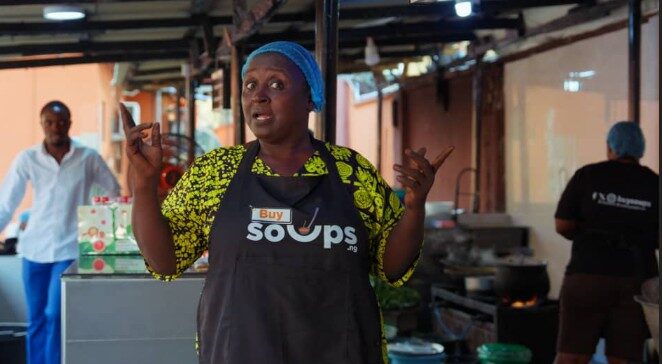
Officials claim over 8.6 million pupils benefited from the Renewed-Hope National Home-Grown School Feeding Programme. They say 100,000 cooks were hired and 200,000 smallholder farmers supplied ingredients.
Teachers on the ground tell a different story entirely. Abdulsalam Haruna teaches in Abuja and says the feeding programme vanished years ago.
"There's no school feeding in my school," he told our reporters. "The programme stopped two and a half years ago."
A teacher at Jikwoyi 1 Primary School in the FCT confirmed the same reality. Officials announced the initiative last term, but no food ever arrived.
"My school last saw the feeding programme three years ago," he noted. School feeding, according to him, has become another avenue for fund theft.
"It's a great scam," the educator added bluntly.
Iyabo Apologun teaches in Port Harcourt, Rivers State. "No feeding has taken place in my school," she said simply.
Abigail Balogun works at a public school in Lagos. While her institution isn't federally run, she confirmed no student feeding occurs there either.
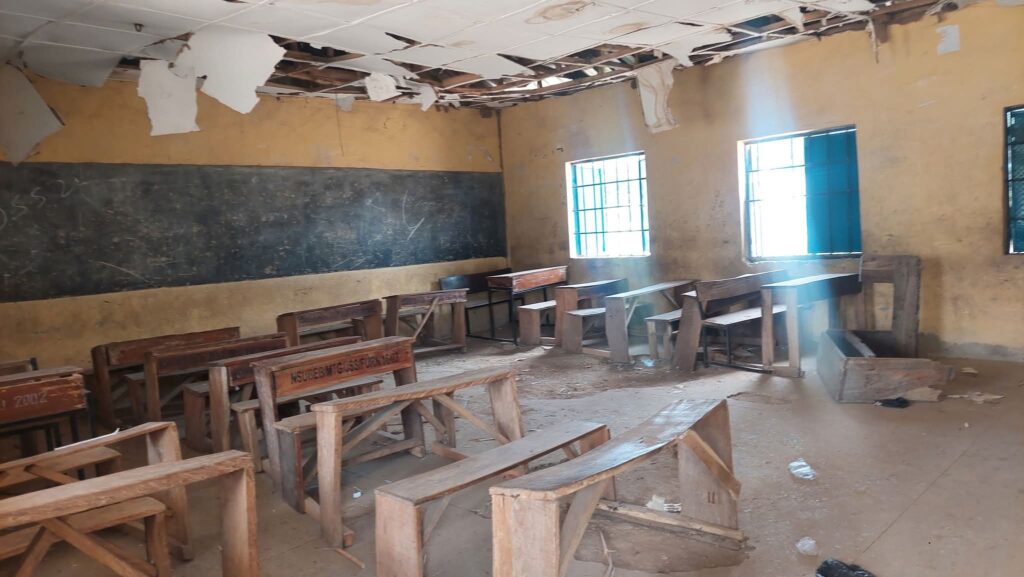
Infrastructure claims look equally questionable when you visit actual schools. Government Day Secondary School in Diko, Niger State, remains in poor condition.
Visit basic schools in Ohaukwu, Ebonyi State, and children sit on bare floors. Rafter-constructed walls offer little protection from the elements.
Similar scenes play out in Amaba-Ugwueke and Ozara-Isuikwuato in Abia State. Learning environments expose pupils to snakes and scorpions daily.
Furniture is falling apart across these schools. If 506,000 teachers were truly trained and 7.8 million materials distributed, the evidence isn't visible in Nigeria's classrooms.
Something doesn't add up between the numbers released in Abuja and what teachers witness every single day.