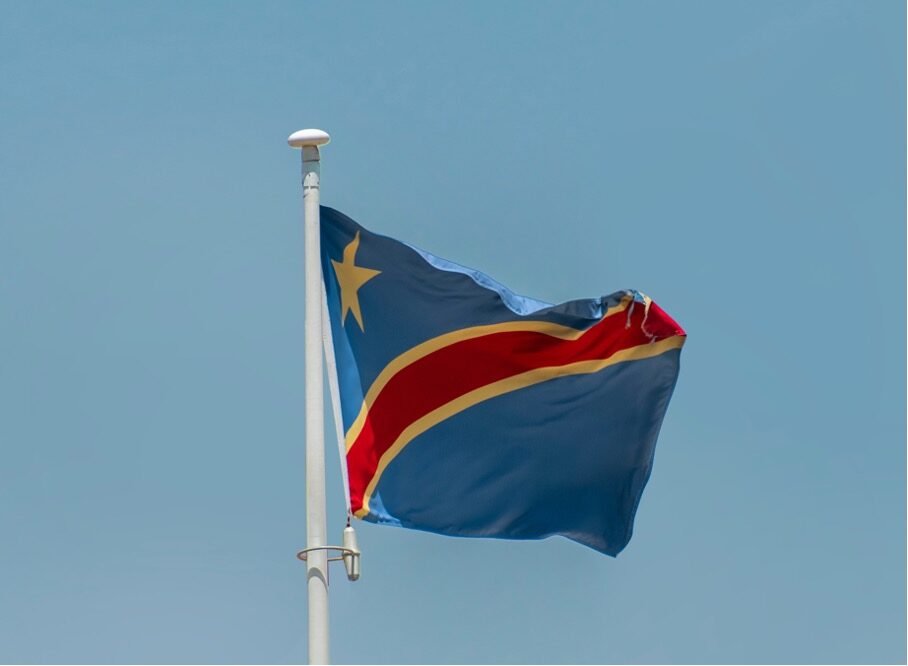
Congo's government has formally partnered with the World Bank's investment arm to establish Africa's newest stock exchange. The agreement marks a significant milestone for the mineral-wealthy nation seeking to modernize its financial infrastructure.
Officials signed the cooperation deal on Thursday in Kinshasa. Finance Minister Doudou Fwamba Likunde Li-Botayi and IFC Country Director Malick Fall inked the arrangement at the Centre Financier de Kinshasa.
The partnership will target six critical areas for market development. These include creating regulatory rules, constructing trading infrastructure, and building local expertise in securities management.
Congo's move into capital markets follows its landmark debut on international debt markets just months ago. In April, the nation raised $1.25 billion through its first-ever Eurobond—a historic first for African sovereigns since 2019.
That bond sale was split into two parts. Investors bought five-year notes yielding 8.75 percent and 10-year notes paying 9.5 percent annually.
Ethiopia beat Congo to the punch with Africa's newest exchange. The East African nation launched its own bourse in January 2025 and currently has four companies listed for trading.
Africa now counts roughly 30 operational stock exchanges across the continent. Ethiopia's Securities Exchange remains the youngest until Congo's Kinshasa exchange launches.
Congo's legislature is moving quickly on required legal changes. Finance Minister Fwamba defended the proposed capital markets law before the Senate on June 11.
The Cabinet approved the legislation in April, and lawmakers passed it in early June. It would establish a securities regulator, a central depository, and settlement institutions.
One provision covers a commodities exchange for agricultural, mining and industrial goods. This reflects Congo's vast natural resources and agricultural potential.
Senate approval remains pending, but some lawmakers expressed skepticism. Senator Willy Mosubu Bussa questioned whether local companies could meet listing standards and corporate governance requirements.
He also raised concerns about the nation's massive informal economy. Would formal markets even attract enough local businesses to function properly?
Congo ranks among the world's ten poorest nations by income. More than 70 percent of its 109 million residents live below the poverty line.
Yet major African banks see opportunity in this frontier market. Nigeria's Access Holdings and FirstHoldCo have expanded aggressively into Congo.
So have Kenya's Equity Group and KCB Bank, along with Ecobank from Togo. Tanzania's CRDB Bank is also building its Congo operations.
These regional giants recognize Congo's long-term potential despite current poverty levels. The nation sits atop vast mineral wealth and productive land.
Creating a functioning stock exchange could unlock this potential for investors. It would allow local companies to raise capital and grow faster.
For Congo's government, the exchange represents broader economic transformation. Financial markets signal commitment to transparency and international business standards.
Success isn't guaranteed, observers note. Building markets in developing nations requires patience, investment, and strong governance.
Still, Congo's recent Eurobond success shows international confidence is growing. That achievement proves investors will take chances on this frontier economy.