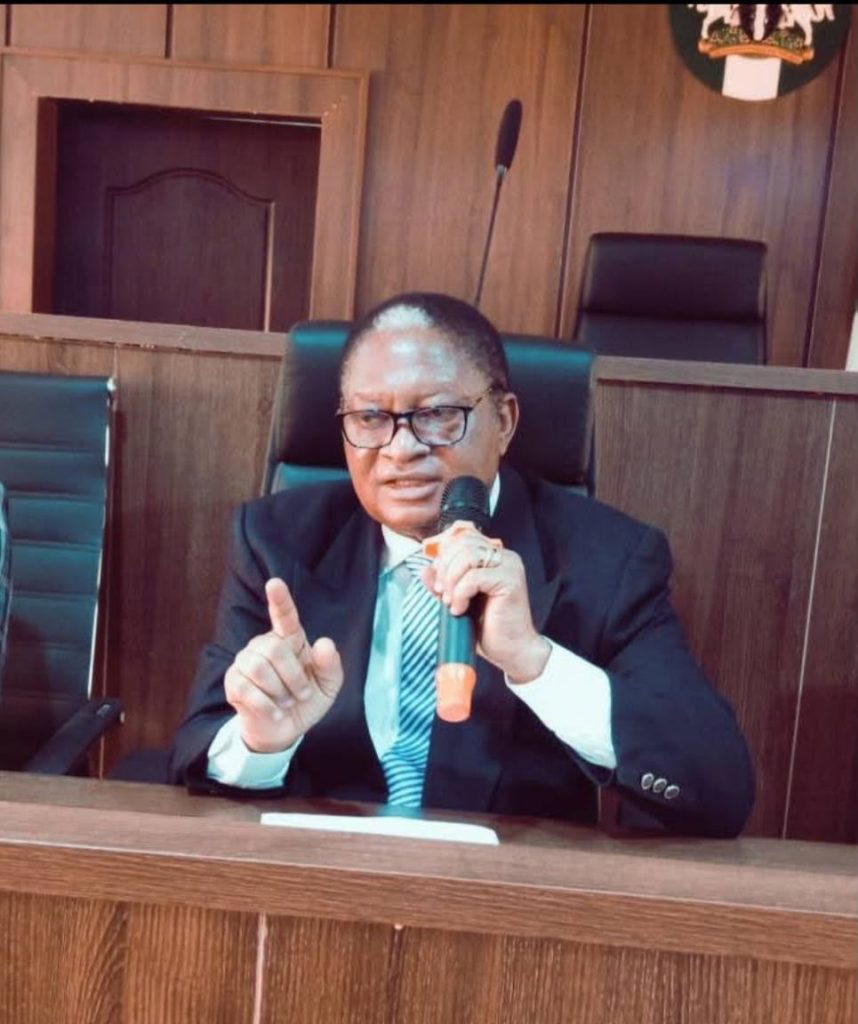
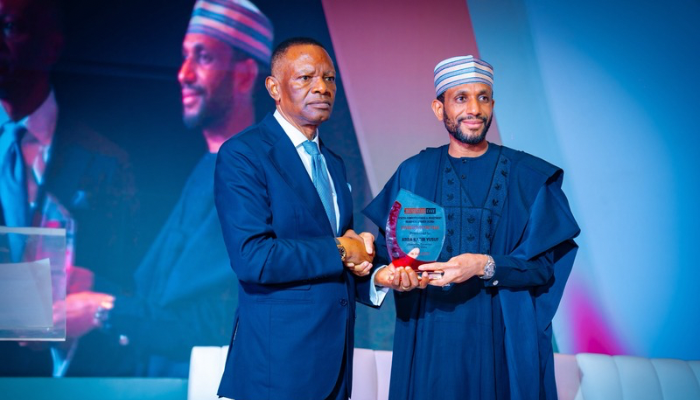
Godwin Obla has blamed two main factors for Idoma's failure to produce a Benue governor since 1976. The Senior Advocate of Nigeria and founder of the Godwin Obla Foundation laid out his analysis on Saturday in Otukpo.
He spoke during a centenary lecture at the Idoma Centenary Plus Celebration. His topic: "The Political Choices of the Idoma People Since 1950: Context, Consequences, and the Path Forward."
Obla identified demographic disadvantage as the first barrier. He noted that despite being Benue's second-largest ethnic group, the Idoma have been shut out of the governorship for nearly five decades.
"Since the creation of Benue State in 1976, no Idoma person has ever been elected Governor," Obla stated. "Fifty years of statehood, and the second-largest ethnic group in the state has never occupied Government House in Makurdi."
Numbers work against the Idoma, he explained. Zones A and B—predominantly Tiv areas—control 14 local government areas, while Zone C, where most Idoma and Igede people live, has only nine.
"The arithmetic is straightforward and merciless," Obla said. Under majority voting systems, the Tiv majority has consistently held the governorship.
But he rejected the idea that demographics tell the whole story. Internal divisions among Idoma leaders have repeatedly sabotaged their chances, he argued.
"Time and again, when the opportunity for an Idoma governorship has appeared on the horizon, the elite have fractured," Obla noted. Personal rivalries, generational splits and competing ambitions have torn the group apart, he said.
Instead of uniting behind one candidate, multiple Idoma aspirants have emerged during elections. This pattern has consistently divided their voting strength and weakened their bargaining position.
According to Obla, this failure to maintain unity stretches back decades. It has been a recurring problem since the early years of political organization in Idomaland.
Obla also took aim at Idoma's national political elite. While several Idoma sons have held top national positions—including Senate President, federal ministers, military governors and diplomats—their communities remain underdeveloped.
Poor infrastructure plagues many Idomaland communities. Security remains a serious concern, alongside widespread underdevelopment.
"National political prominence, however impressive, is not a substitute for local development," Obla said. He challenged the community to confront this uncomfortable reality.
Obla called for creating a permanent, non-partisan Idoma Political Consultative Forum. Such a body could build consensus before elections and prevent the fractures that have undermined the community's political hopes.
He also urged voter education campaigns across Idomaland. Grassroots mobilization efforts need strengthening, he added.
Cross-ethnic political alliances represent another path forward. Attracting support beyond Zone C will be crucial, Obla argued.
An Idoma governor will only emerge through strategic coalition-building. A development agenda appealing to all of Benue State will be essential to achieve it, he concluded.