By Akpos Oghenetega,
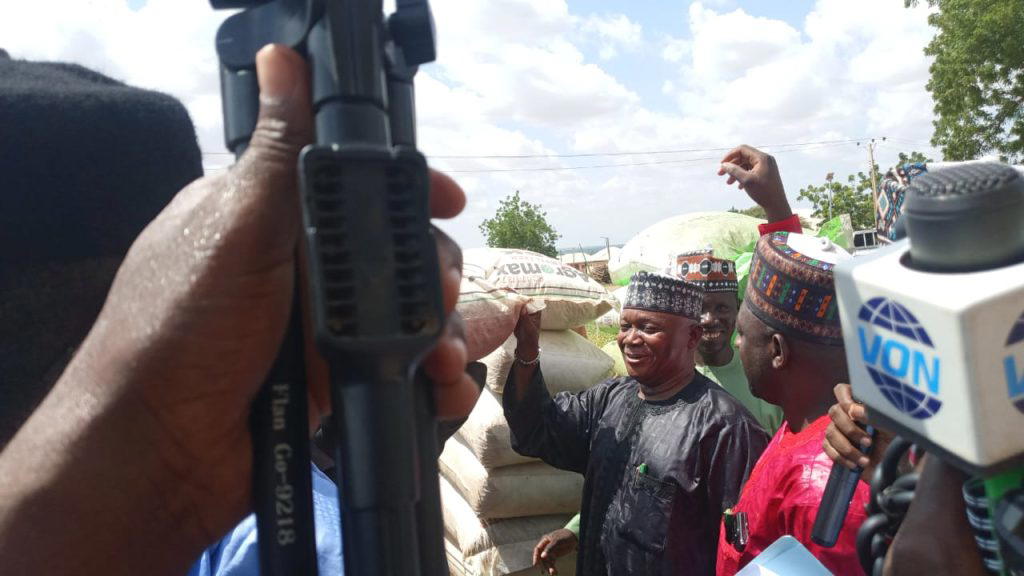
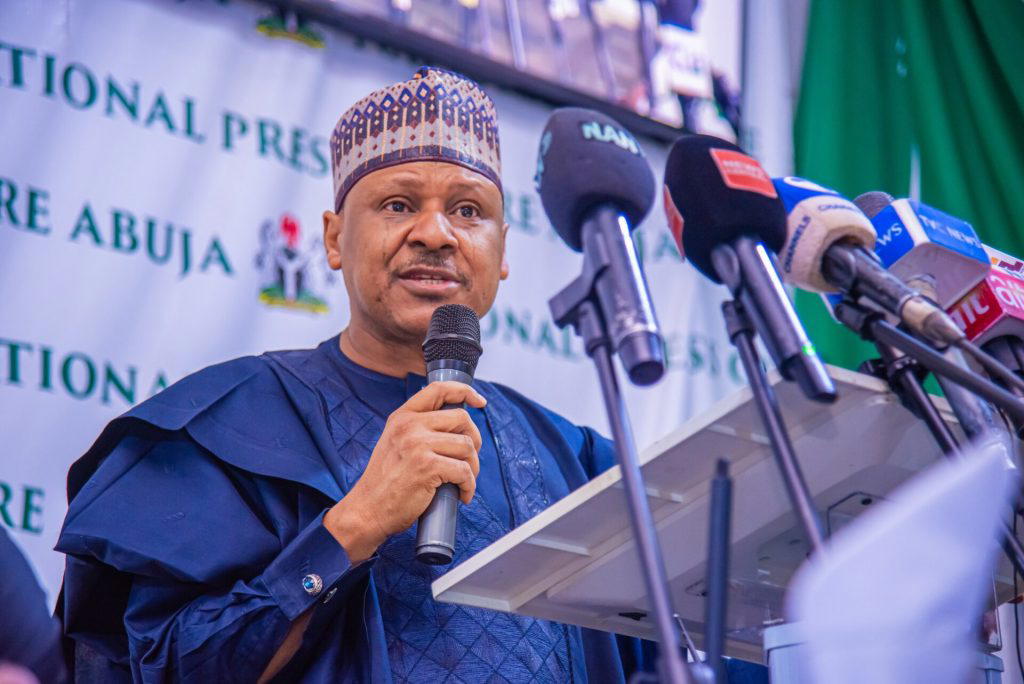
Nigeria’s Defence Minister, Alhaji Mohammed Badaru Abubakar, has resigned abruptly amid a dangerous surge in nationwide insecurity, raising fresh questions about the federal government’s capacity to contain the escalating violence.
His exit, announced in a State House press release on Monday, comes as banditry, insurgency, kidnappings and communal attacks intensify across multiple states.
In his resignation letter dated December 1, Abubakar cited health grounds for his decision to step down immediately. President Bola Tinubu accepted the resignation and expressed gratitude for his service. The presidency is expected to forward a new nominee to the Senate later this week.
However, the timing of Abubakar’s departure—at a moment when Nigerians are reeling from a spike in deadly attacks, highway abductions, and rural massacres—has triggered public unease.
Security analysts say the development underscores the gravity of the crisis and highlights gaps in strategic coordination within the nation’s defence architecture.
Abubakar, 63, a former two-term governor of Jigawa State and appointed minister on August 21, 2023, exits just as President Tinubu recently declared a national security emergency.
The president is expected to unveil the full scope of his emergency security framework in the coming days. Still, the sudden leadership vacuum at Defence has heightened calls for a rapid, competent replacement.
With public confidence in national security at an all-time low, attention now shifts to the president’s choice of successor—one expected to confront Nigeria’s deteriorating security environment with urgency, clarity, and a renewed operational strategy.