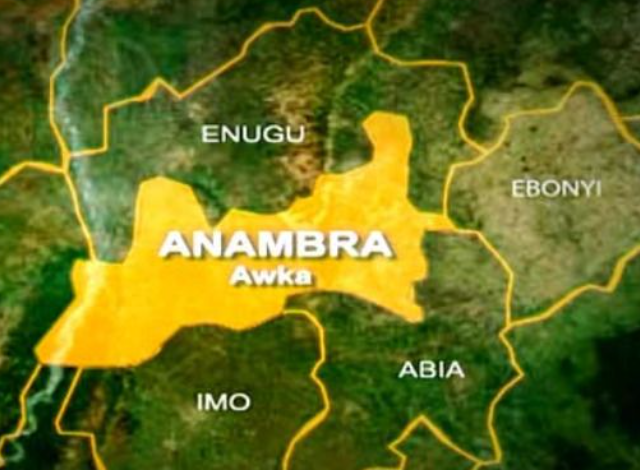
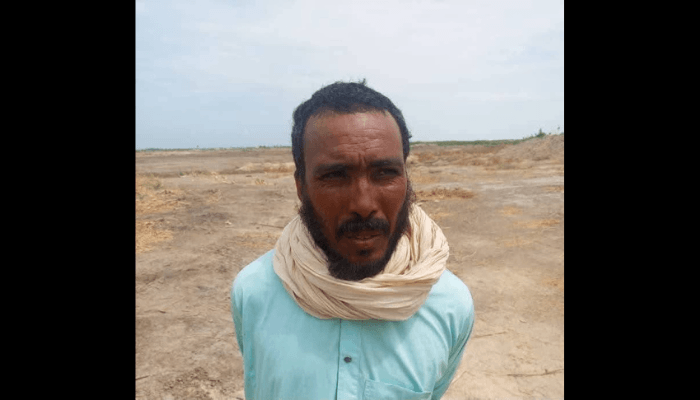
The capture of a suspected foreign ISIS operative by Nigerian troops signals a potential turning point in the nation's battle against terrorism. The military apprehended the suspect—believed to be a Moroccan national—during operations in Abadam Local Government Area of Borno State on Monday.
The arrest follows a failed attack by the Islamic State West Africa Province (ISWAP) on Cross Kauwa in Kukawa Local Government Area the previous day. During that assault, military personnel killed an ISWAP cameraman and recovered video footage and a Sony camcorder that proved crucial in identifying the foreign suspect.
The breakthrough confirms reporting by BusinessDay about the Sahel crisis, where terrorists attempted to infiltrate communities to steal cholera medication and supplies. Intelligence analysts say the discovery validates long-held assessments about foreign nationals operating within terrorist organisations across the Lake Chad region.
Zagazola Makama, a counter-insurgency expert focusing on the Lake Chad basin, told reporters the arrest reveals how international the insurgency has become. He explained that while ISWAP recruits primarily from Nigeria, Niger, Chad, and Cameroon, the group depends heavily on foreign operatives who act as force multipliers.
These external fighters bring specialised skills in drone warfare, communications, explosives, intelligence, and tactical planning, according to Makama. He noted that ISWAP's recent use of commercial drones for reconnaissance and combat operations didn't develop organically from local ranks.
Instead, security officials believe foreign ISIS-linked trainers introduced these methods, drawing on combat experience from the Middle East and the Sahel. The tactical shift presents fresh challenges for Operation Hadin Kai troops, requiring improvements in force protection, electronic warfare, and counter-drone capabilities.
Military authorities said the suspect is currently undergoing intelligence exploitation and promised to release further details as investigations progress. Sources indicate the breakthrough could provide deeper understanding of ISIS support networks in the region.
The success mirrors recent military operations in Oyo State, where coordinated intelligence gathering led to the rescue of kidnapped pupils and teachers in Oriire Local Government Area. The strategy isolated the abductors from food, weapons, and intelligence support from collaborators.
Mohammed Ngoshe, a former Assistant Director-General of the Department of State Services (DSS), told reporters that sustained military pressure led to the students' release after nearly 60 days in captivity. He commended the armed forces' approach to the operation.
Military officials credited the Moroccan suspect's capture to joint forensic analysis with international partners. They said the operation demonstrates how tactical shifts in counterterrorism yield tangible results on the ground.