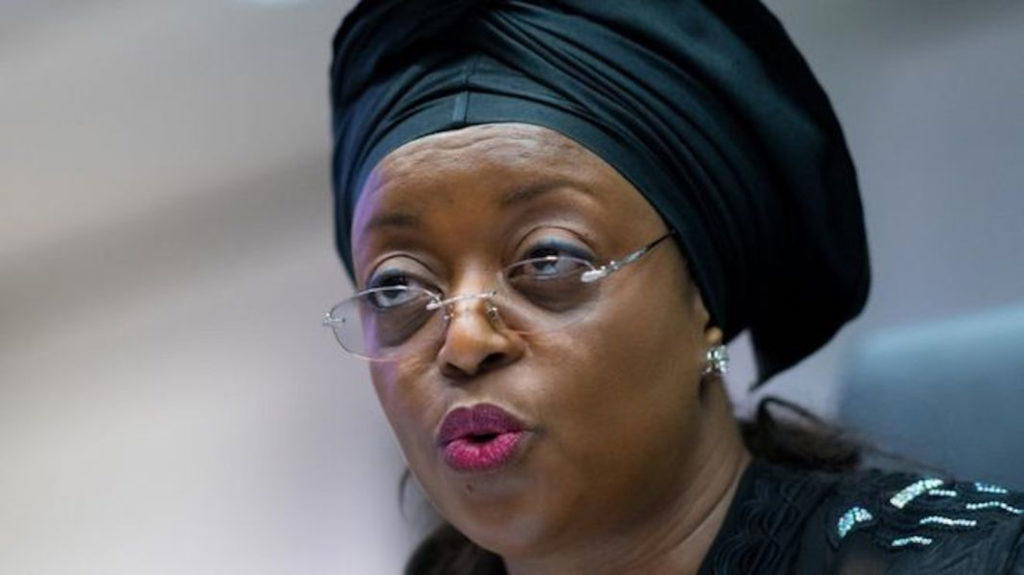
For over a decade, one name dominated Nigerian media headlines with relentless intensity. Diezani Alison-Madueke, the former petroleum resources minister, became the public face of corruption allegations that spanned continents and dominated global discourse on graft.
The former minister's name became shorthand for excess. Luxury properties, high-spending shopping trips to Harrods, private jets, and multimillion-pound bribery allegations filled newspaper columns and social media feeds across the world.
Then in June 2026, everything changed. A London jury acquitted Alison-Madueke of all six charges, ending one of the United Kingdom's longest corruption trials and marking what she described as the end of years of "unjust vilification."
Yet the verdict raised a troubling question. In today's digital age, can a court acquittal ever truly repair a reputation destroyed by a decade of headlines?
Open-Source Intelligence analysts examined over 1,000 news reports spanning nine African countries between 2015 and 2026. Their findings painted a stark picture: accusations travel faster and stick longer than truth ever does.
From her arrest on October 2, 2015, by the UK's National Crime Agency to her acquittal on June 17, 2026, Alison-Madueke faced intense media scrutiny. Stories about bribery, asset forfeiture, and her detention dominated coverage.
The news cycle proved merciless. Once the acquittal was announced, reporting about the former minister dropped by over 80 per cent, according to analysts tracking the coverage.
The legal victory failed to generate the sustained public attention that the original allegations commanded. While the allegations had gripped audiences for years, her exoneration barely registered the same engagement.
This wasn't simply a Nigerian story playing out on local stages. Allegations involving oil contracts, election financing, and money laundering triggered investigations across Nigeria, the United Kingdom, the United States, and beyond.
International news organizations amplified the narrative, embedding Alison-Madueke's image into a global consciousness shaped by corruption narratives. The geographical spread of investigations underscored how thoroughly her reputation had been dragged through international courts of public opinion.
The scale of the probe made it one of the most publicised corruption cases in recent memory. Criminal proceedings, civil forfeiture actions, and cross-border asset recovery efforts stretched across years and jurisdictions.
But the investigations didn't stop at one person. Multiple institutions and public figures found themselves caught in the web that spread outward from the central allegations.
Relatives, business associates, oil executives, bankers, lawyers, and former public officials discovered firsthand the costs of association. The saga became a cautionary tale about how proximity to scandal can reshape lives and careers.
Many of those swept into the investigations faced their own legal challenges and reputational damage. The ripple effects extended far beyond the headline figure.
The Diezani saga therefore raises uncomfortable truths about modern media and justice. An acquittal may clear one's name in court, but it cannot erase years of coverage that reached millions across multiple continents.
The question remains: what does exoneration truly mean when the damage to public perception has already been cemented by headlines that travel faster than corrections ever will?