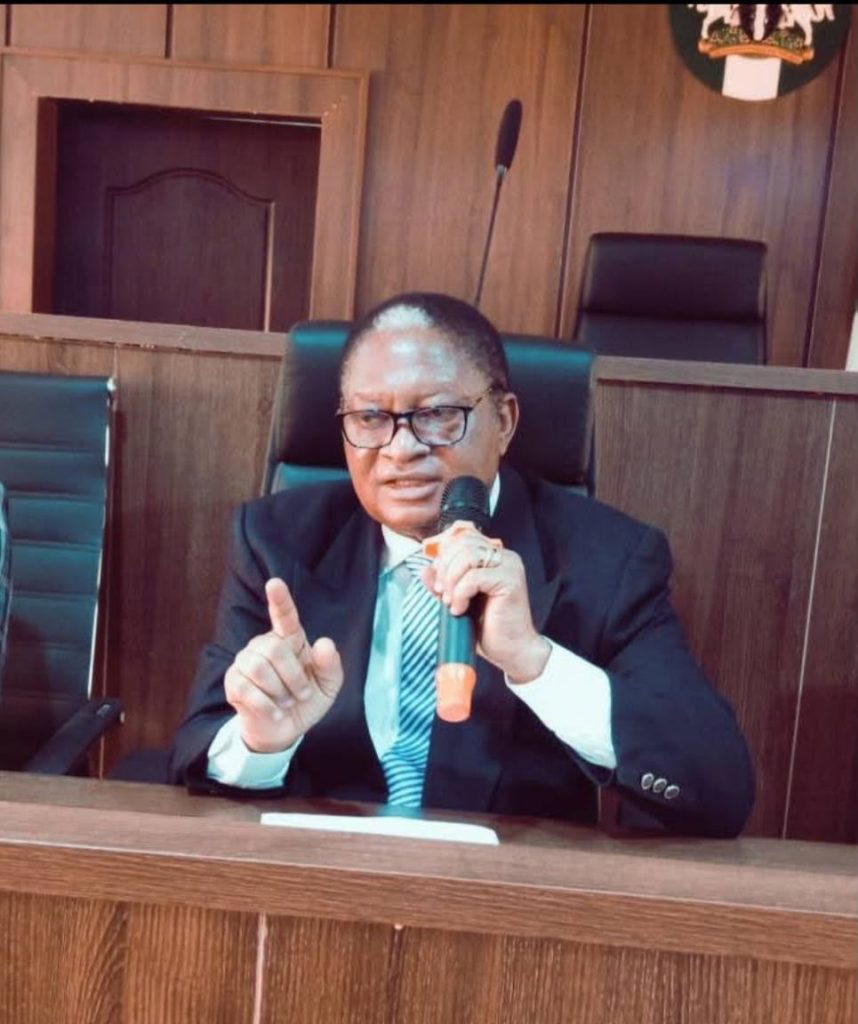

President Bola Tinubu has urged Nigerians to embrace tax payment as a patriotic duty tied to nation-building. Speaking Friday at the Africa CEO Forum in Kigali, Rwanda, he challenged citizens to stop demanding services they refuse to fund.
Tinubu highlighted a glaring contradiction in Nigeria's approach to development. "Nobody wants to pay taxes.
Yet everyone expects development," he told the audience.
According to him, citizens demand functioning infrastructure and quality healthcare without contributing through taxation. "You want good roads and well-equipped hospitals, but you don't want to contribute through taxes," Tinubu said.
He posed a critical question to Nigerians about funding national progress. "How do we fund development and secure the future of our children?" the president asked.
Both individuals and businesses must shoulder responsibility for Nigeria's growth, Tinubu insisted. He drew a clear line: "A citizen who pays tax is a citizen.
If you are not paying taxes and not exempted, then you are not fulfilling your obligation."
Tinubu used the forum to defend his administration's economic overhaul. He characterized the fuel subsidy removal and forex market unification as tough but unavoidable steps toward stability.
According to him, Nigeria couldn't sustain the old subsidy system anymore. "It was necessary to reset and reform the economy.
We were spending future generations' resources before they were born," Tinubu noted.
Before these reforms, even oil-rich states couldn't meet payroll obligations. "You are producing oil, spending heavily on fuel subsidy, yet your refineries are not working.
That trend was unsustainable," he explained.
Subsidy payments fueled corruption and smuggling networks across the country. Ending these practices became essential to halting resource leakage.
While acknowledging initial hardship from the reforms, Tinubu said evidence now supports his decisions. Early results are proving the policies work, he argued.
Currency stability has improved considerably since implementation. "The naira had become more stable and predictable, making it easier for businesses and government institutions to plan effectively," Tinubu stated.
Savings from these reforms have financed expanded social programmes for vulnerable groups. Direct cash transfers and educational support have grown significantly under his watch.
Economic headwinds continue battering ordinary Nigerians across the country. Yet Tinubu remains bullish about long-term prospects for Africa's largest economy.
His administration will stick with recovery and sustainability policies going forward. Recovery, stability and growth remain the administration's north star.