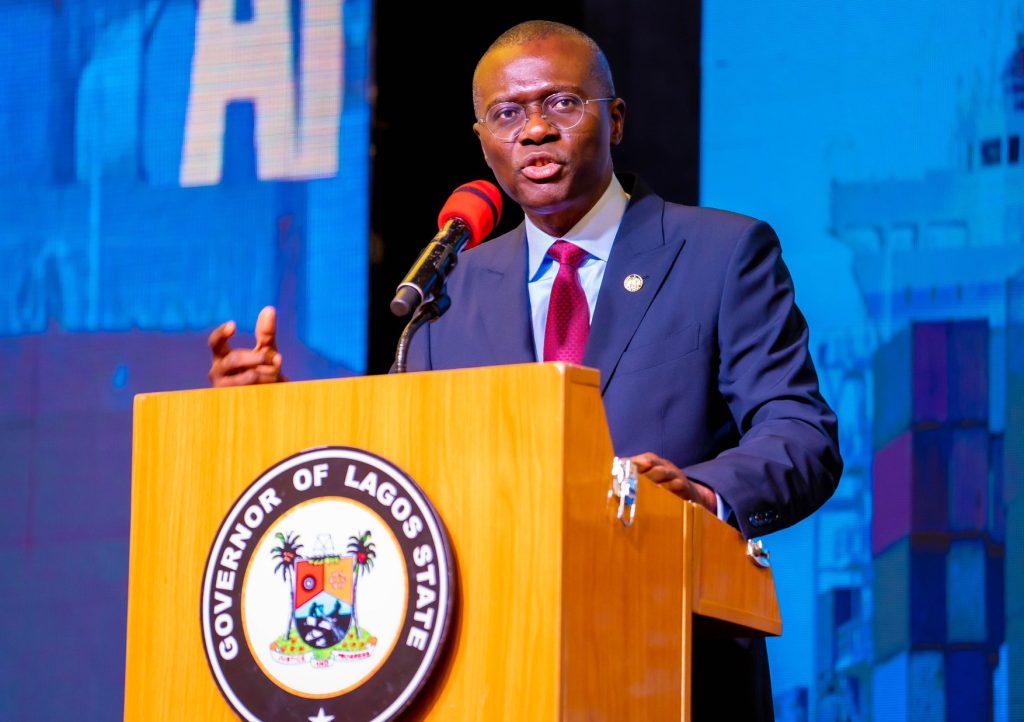
Governor Babajide Sanwo-Olu has greenlit the dredging of 28 additional primary drainage channels across Lagos following severe flooding that battered several parts of the state over the past two weeks. The governor said the extreme rainfall event was not unique to Lagos, noting that similar downpours pounded other African nations and parts of North America on the same day.
Tokunbo Wahab, the commissioner for environment and water resources, explained that Lagos grapples with a uniquely difficult hydrological landscape due to its vast system of lagoons, rivers, creeks and tidal water bodies. He noted that when the Atlantic Ocean, Lagos Lagoon and other water bodies interact—especially during high tide—storm water discharge into the sea slows naturally, triggering temporary flooding in low-lying zones after unusually intense rainfall.
The recent downpours overwhelmed drainage infrastructure in multiple locations, Kunle Adeshina, the ministry's spokesman, told reporters. Affected communities included Victoria Island, Lekki, Ikeja, Gbagada, Mushin and Mafoluku.
"The rainfalls were an extreme weather event that produced an unusually high volume of water within a short period, overwhelming drainage channels in some locations," Adeshina said in a statement. The state government urged residents to remain calm while it continued monitoring drainage systems and flood-prone areas.
Michael Simire, an urban planner and environmentalist, identified multiple factors driving Lagos's persistent flooding crisis. High rainfall intensity, blocked drainage channels and canals, weak enforcement of setbacks, and structures encroaching on waterways that reduce water flow capacity all contribute to the problem, he said.
The environmental expert also pointed to low-lying coastal areas as particularly vulnerable zones. Poor drainage systems compound the challenge across the state's sprawling urban landscape.
The dredging approval marks the latest intervention by the Sanwo-Olu administration to tackle flooding, one of Lagos's most persistent development challenges. The state government said it remains vigilant in monitoring critical water infrastructure and flood-risk locations.