
States across Nigeria are receiving nearly three times what they got before, yet ordinary citizens say life keeps getting harder. The windfall hasn't eased the economic squeeze at all.
President Bola Ahmed Tinubu removed fuel subsidies on May 29, 2023, and let the naira float freely. Since then, monthly revenues from the Federation Account Allocation Committee have surged dramatically.
In 2022, the 36 states shared N3.35 trillion combined. By 2025, that figure had jumped to N8.19 trillion.
Our reporters visited six states hit hardest by rising costs. Kano, Lagos, Taraba, Zamfara, Kogi and Akwa Ibom all showed significant allocation increases.
Yet residents, workers and traders complained bitterly about inflation.
Kano's allocation tripled from N99.31 billion in 2022 to N279.69 billion in 2025. Lagos saw an even steeper climb, jumping from N161.29 billion to N531.51 billion.
Taraba's share rose from N51.74 billion to N157.56 billion over the same period. Zamfara received N56.62 billion in 2022 but got N167.20 billion by 2025.
Kogi's allocations leaped from N60.78 billion to N176.24 billion. Akwa Ibom's increased from N314.18 billion to N497.98 billion.
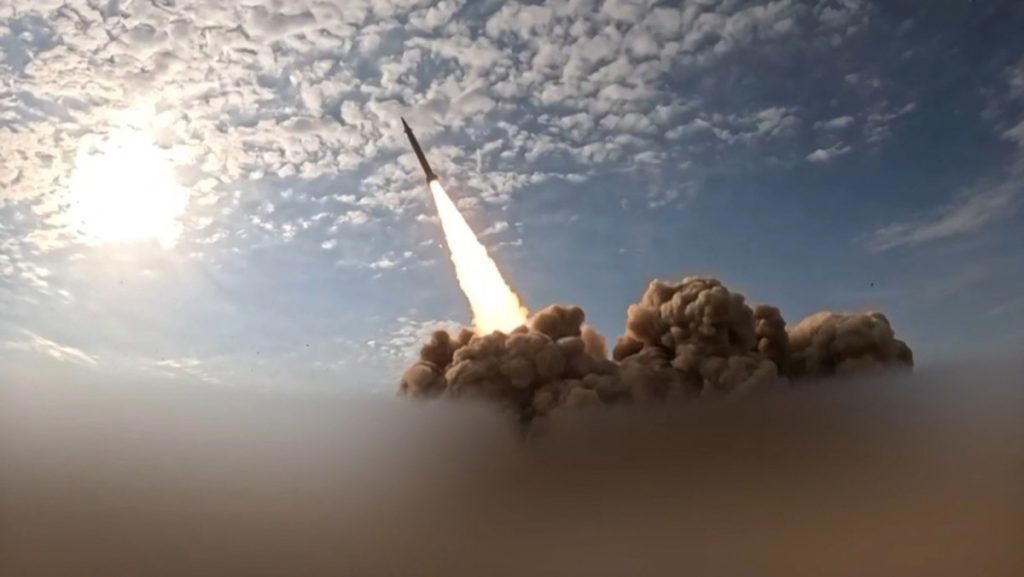
Global oil markets have also fuelled Nigeria's revenue boom. A blockade at the Strait of Hormuz during Iran's conflict pushed crude prices above $100 per barrel from around $70.
In March 2026, FAAC shared N2.04 trillion among all tiers of government. That represented a N150 billion jump from February's N1.89 trillion.
Two policy changes drove this revenue increase. A new tax law expanded stamp duty collections significantly.
Executive Order 9 also stopped oil companies from paying the NNPCL and NUPRC first. They now remit directly into the Federation Account instead.
Deductions for frontier funds, gas flaring penalties and taxes were eliminated.
The federal government raised the minimum wage to N70,000 in July 2024. It had been N30,000 previously, and some states even pay more.
Yet civil servants say inflation has destroyed what those raises bought. Their salaries don't stretch as far anymore.
Economic experts point out a troubling disconnect. States have far more money available now than ever before.
Living standards for ordinary people haven't improved to match.
World Bank data paints a grim picture. Poverty in Nigeria hit about 140 million people in 2025, or roughly 63 percent of the population.
The Bank's April 2026 Nigeria Development Update showed rapid deterioration. Poverty rates climbed from 56 percent in 2023 to 61 percent in 2024.
A 2022 survey by the National Bureau of Statistics found 133 million Nigerians living in multidimensional poverty. They lacked adequate access to healthcare, food and shelter.