
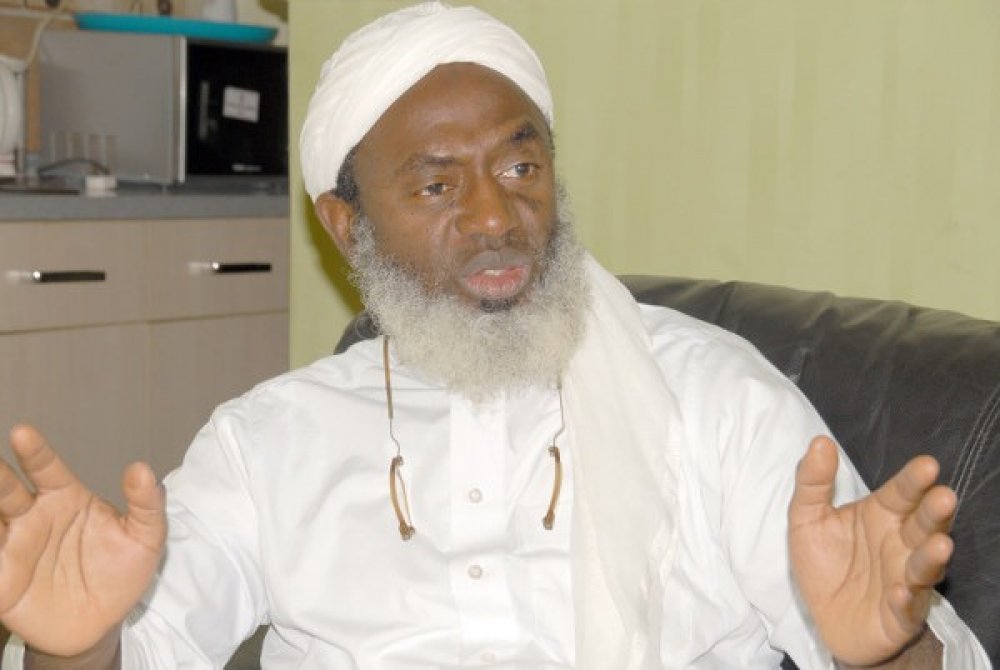
Islamic scholar Sheikh Ahmad Gumi has accused elements in Nigeria's South-West of using Islamophobia to shape local politics. He made the claim after a recent visit to Ibadan drew unexpected controversy.
Gumi traveled to the Oyo State capital as a representative of the Coalition of Northern Muslim Ulama. He was not invited by any South-West Muslim group, he clarified on Facebook.
His presence in Ibadan sparked reactions that he found puzzling and unnecessary. "I quite understand now how Islamophobia is shaping politics in the South-West," the cleric stated.
Gumi questioned why his movement within Nigeria should face opposition. He asked: "Can anybody stop me from going anywhere in Nigeria?"
The timing of his visit coincided with an ongoing kidnapping scandal. Reports had suggested the abductors demanded the implementation of Sharia law for releasing schoolchildren.
Muslim Rights Concern, a human rights group, firmly denied those claims. MURIC called the Sharia demand "a lie from the pit of Jahannam."
According to MURIC, enemies of Islam inserted that condition into negotiations. They wanted to damage the reputation of the faith and its adherents.
Mrs. Rachael Alamu, the abducted principal, backed up this position.
In a video statement, she refuted reports about any Sharia demand.
Alamu said her kidnappers made no such request during their negotiations. Her account directly contradicted the initial claims circulating in the media.
Gumi believes the entire situation serves a darker agenda. He told reporters the controversy was "tele-guided by both foreign and local interests."
According to him, the goal is to promote a divisive narrative. Such efforts aim to polarise the country along religious and regional lines.
He expressed surprise at how some people reacted to his Ibadan trip. The cleric described their responses as simply strange and politically motivated.
Gumi's comments highlight growing tensions around interfaith dialogue in Nigeria. They also raise questions about how religious identity intersects with regional politics.
His remarks come as Nigeria grapples with security challenges in multiple regions. Kidnappings and abductions have become frequent, fueling public anxiety and blame.
The cleric's intervention suggests some religious leaders see political manipulation in these crises. Whether his concerns gain traction remains to be seen.


