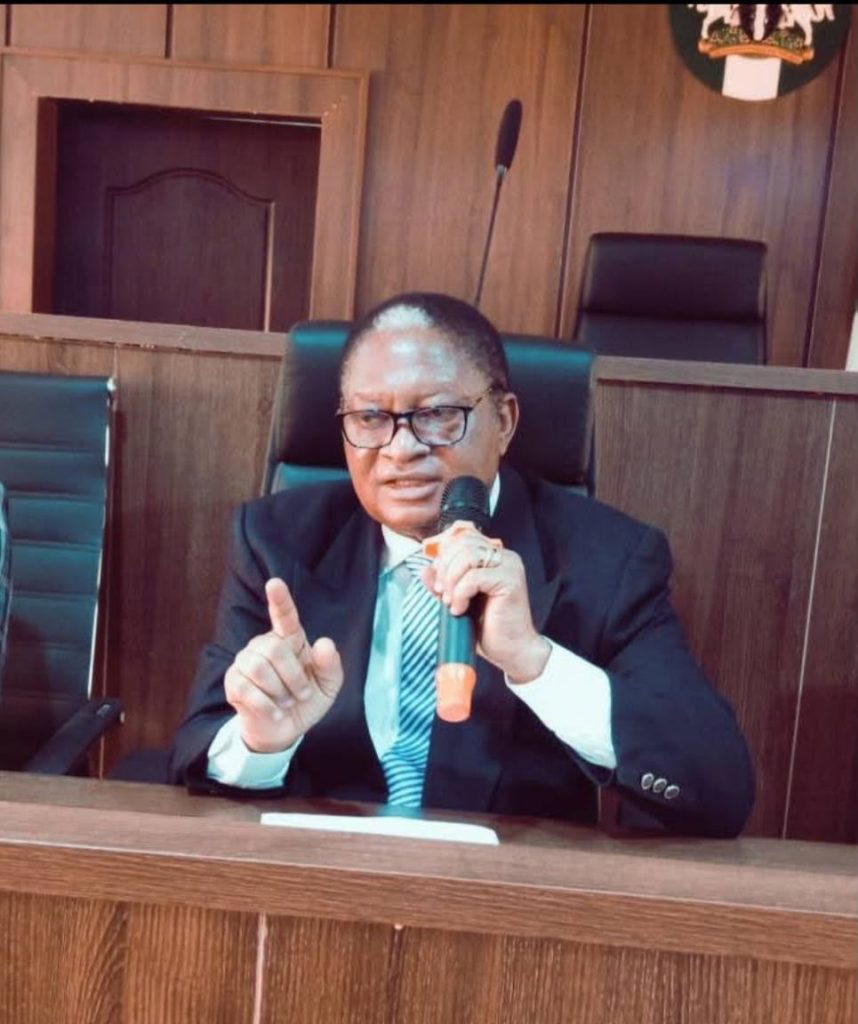
Professor Mansur Isa Yelwa stepped down as Chief Imam of Abubakar Tafawa Balewa University in Bauchi. His resignation came after the university approved a mosque project by the Tijjaniyyah Muslim Students' Association of Nigeria.
He made the announcement at Friday prayers last week. A video of his remarks quickly spread across social media platforms.
Yelwa told worshippers that approving a mosque for one sect would spark division among Muslim students on campus. He questioned why the Tijjaniyyah group received approval when no other sect had been granted such permission before.
"Why would they get this approval?" he asked the congregation during his sermon. He acknowledged their right as Nigerian citizens to build, but raised a troubling question.
Once this precedent is set, he warned, other groups will demand the same. The Qadiriyyah sect would seek approval next, he noted.
Then would come requests from Izala, Salafiyyah, and Shi'a followers.
According to him, opening this door threatens campus harmony. "Can ATBU live in peace?" he asked rhetorically during the sermon.
Yelwa pointed to his track record over 17 years as chief imam. He'd managed to keep peace among different Islamic factions without incident.
He worked well with students, staff, unions, and university management alike. Nobody complained about his leadership, he told the congregation.
All students received equal treatment in matters of worship, he stressed.
The scholar expressed frustration about the approval process. Management never consulted him before making their decision, he noted.
As chief imam and Islamic leader on campus, he should have been asked for advice.
Yelwa has no personal issue with Tijjaniyyah followers, he clarified. His concern was purely about maintaining the unity he'd built across 17 years of service.
He noted that such situations occur in other universities. Each institution handles them differently based on their circumstances, he observed.
In his view, the university's action undid years of careful work. Just seven days of this new policy had already damaged what took nearly two decades to build.
His responsibility as chief imam weighed heavily on him, Yelwa explained. He felt accountable to Allah for how he managed the university's Islamic affairs.
With this development, he determined that resignation was the right course. Continuing in the role would compromise his integrity and spiritual accountability, he believed.