Nigeria and Brazil have committed to deepening ties on scientific validation of African traditional medicine. Both nations adopted an implementation roadmap during the Brazil–Nigeria High-Level Bilateral Meeting on Traditional Medicine and Scientific Cooperation at the Oswaldo Cruz Foundation in Rio de Janeiro.
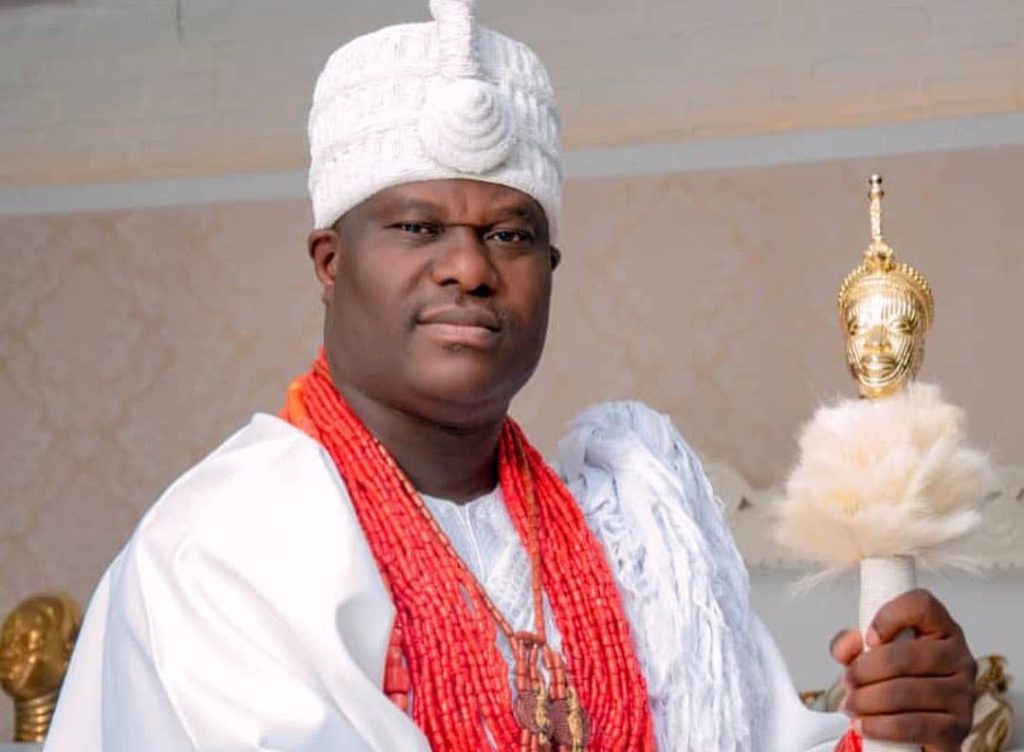
The Nigerian delegation included representatives of the Ooni of Ife alongside government officials, researchers and academics. They collectively pushed for greater global recognition of indigenous healthcare systems backed by evidence-based science.
According to Sodiq Lawal, Senior Media Officer to the Ooni of Ife, the meeting produced a roadmap guiding cooperation in traditional medicine, medicinal plant research, technology transfer, academic exchange and public health innovation. The two countries reaffirmed their resolve to scientifically validate traditional medicine practices and weave evidence-based indigenous healthcare into formal health systems.
Participants reviewed collaborative research on medicinal plants used to treat diabetes. They also explored ways to expand similar studies to other therapeutic products.
The summit acknowledged hundreds of medicinal plants already scientifically validated in Brazil as a base for future joint research. Both nations agreed to support the establishment of a Human Milk Bank in Nigeria through technical collaboration linked to broader global climate and biodiversity initiatives.
Otunba Moses Olafare, Director of Media and Public Affairs at the Ooni's Palace, opened the session by outlining the partnership's foundations. "The foundation of this partnership should rest on three inseparable pillars: indigenous wisdom, traditional medicinal plants and scientific research," he said.
Olafare stressed that the goal wasn't merely preserving traditional knowledge. "Our purpose is to combine the wisdom safeguarded by our communities over generations with rigorous scientific research capable of validating, improving and responsibly applying that knowledge for the benefit of humanity," he explained.
He added: "Through this approach, we can transform our shared biodiversity and ancestral knowledge into safe, effective and evidence-based health innovations that contribute to public health, scientific advancement and sustainable development." Olafare said these principles should form the cornerstone of the Memorandum of Understanding.
The Nigerian delegation presented the Ooni of Ife's position on African traditional medicine. They emphasised that it extends far beyond herbs and medicinal plants, encompassing generations of ancestral wisdom, oral traditions, spirituality and sacred knowledge.
The delegation stressed that within Yoruba civilisation, prayers, incantations and other intangible cultural practices remain central to healing. These elements deserve recognition alongside scientific validation within any global framework for traditional medicine, they argued.