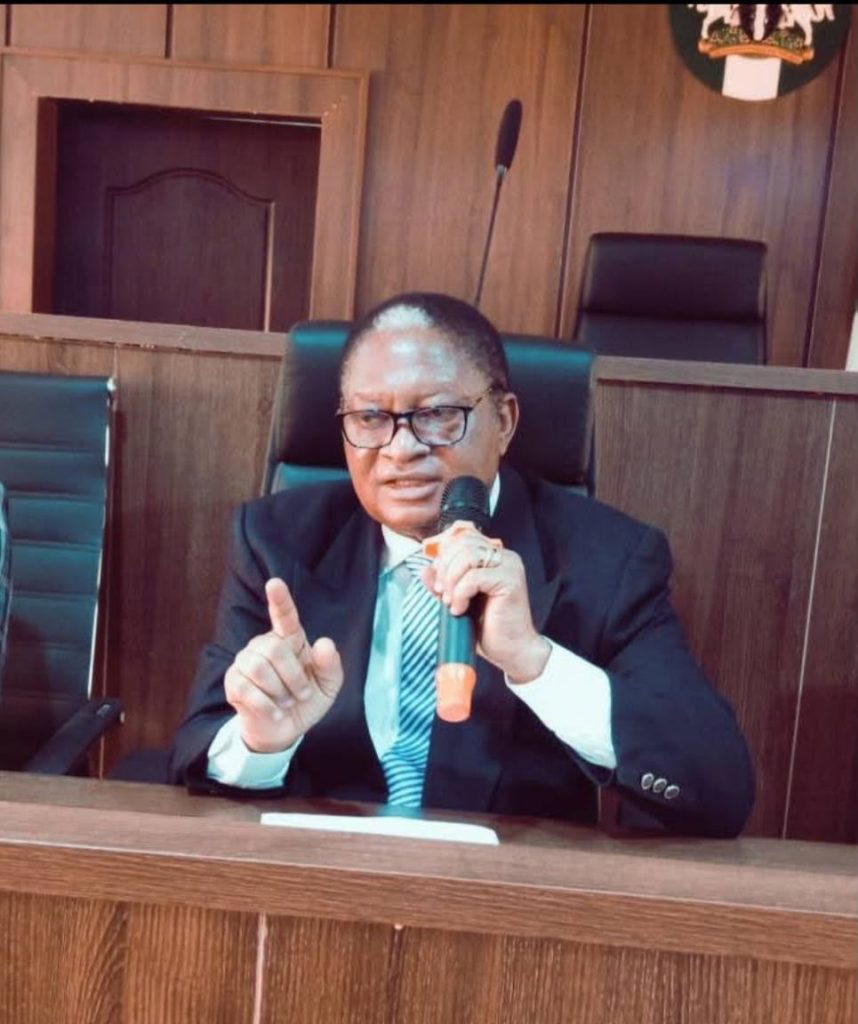
Tuni Olaopa wants the federal government to scrap its hiring freeze on civil servants. He made the call while presenting a paper at the International Civil Service Conference in Abuja.
Olaopa chairs the Federal Civil Service Commission. He said the embargo, imposed six years ago under former President Muhammad Buhari, is damaging the service.
The hiring freeze took effect in March 2020. Government occasionally lifts it for critical sectors like health and security.
According to Olaopa, the long freeze has crippled recruitment as a strategic tool. It's now become a bottleneck pushing talent elsewhere.
"We've been doing this embargo so long the service has lost the ability to use employment properly," he told conference delegates. He warned that talented workers are fleeing to the private sector and abroad at alarming rates.
Trained professionals come into government, get initial training, then leave quickly. Olaopa said this brain drain is "incredible."
He argued that government must become an attractive employer again. Fresh thinking on wage policy is essential.
"We need innovation in employment policies," Olaopa noted. Merit and competition mean nothing without competitive salaries and better conditions of service.
Recruitment should fill critical gaps and preserve institutional memory, not just cut costs. The current approach prevents the service from responding to public needs.
Olaopa emphasized that qualified people are ready to serve when opportunities exist. But embargoes prevent agencies from tapping willing talent.
His Commission traces its roots to 1954 as the Public Service Commission. It became the Civil Service Commission in 1979.
The agency holds constitutional power to appoint, promote, and discipline civil servants. It's tasked with protecting Nigeria's merit system and public service standards.
Historically, the Commission played a central role in building professional bureaucracy. That role has weakened under hiring restrictions.
Olaopa's position reflects growing concern about civil service capacity. Agencies struggle to deliver services with skeleton crews.
The conference brought together international civil service experts to Abuja. It focused on reform and modernization of public administration.
Government hasn't responded publicly to Olaopa's plea yet. Senior officials rarely comment on employment policy changes before decisions are made.
Civil service unions have also called for lifting the embargo. They argue it violates workers' rights and hurts service delivery.
For now, the freeze remains in place across most ministries. Selective recruitment continues in designated priority areas only.
Olaopa's remarks suggest pressure is building for policy change. Whether government acts remains uncertain.