
Nigeria's push to fortify more food products is about to enter a new phase, with TechnoServe convening millers to shape the next version of its Micronutrient Fortification Index.
The initiative, known as MFI 2.0, aims to help food producers comply with fortification standards on their own. Since launching, it's gained traction but experts say more work lies ahead.
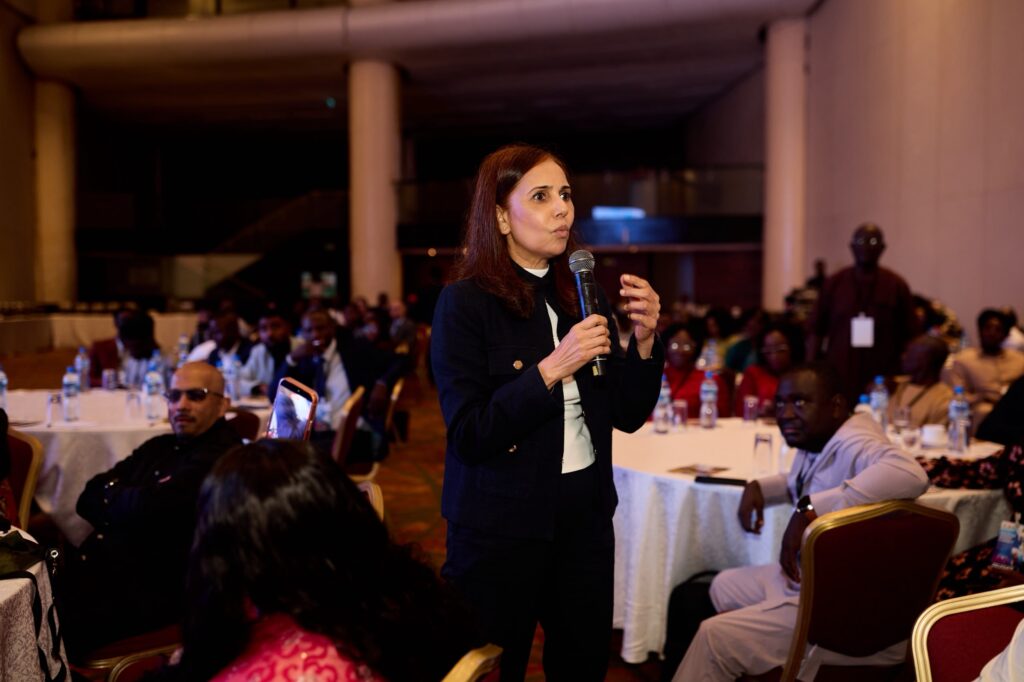
Last week, millers from the oil, sugar, and flour sectors gathered in Lagos with regulators and development partners. They spent the day discussing what's working and what needs fixing.
Adesuwa Akinboro runs TechnoServe's Nigeria office. She explained the roundtable was meant to encourage honest feedback from everyone involved.
"We want MFI 2.0 to respond to what the industry actually needs," Akinboro told participants. Key priorities include better incentives for fortification, stronger rules, and using technology to track compliance.
Nigeria's population could hit 400 million by 2050. Getting food fortification right matters enormously for public health.
Akinboro noted the feedback from this meeting would directly shape MFI 2.0's design. "These insights will determine the future of fortification in Nigeria," she said.
Eva Edwards heads food safety and nutrition at NAFDAC. She called the Micronutrient Fortification Index a game-changing tool that encourages voluntary compliance rather than relying solely on regulation.
According to Edwards, MFI provides crucial data that informs policy and strengthens Nigeria's overall fortification strategy. She praised TechnoServe and partners for pushing the agenda forward.
Ayodele Tella oversees TechnoServe's fortification portfolio. She traced MFI's origins to 2016, when Gates Foundation funding enabled the organization to launch a market-driven compliance initiative.
Progress has been steady. Four companies pioneered the index initially; now 18 millers participate, representing over 30 brands across multiple sectors.
But Tella stressed the index needs updating to match current industry conditions. She urged millers to invest more in fortification given Nigeria's persistent malnutrition crisis.
Tobi Durotoye specializes in agri-food systems at TechnoServe. He outlined how MFI 2.0 will refine its methods to boost adoption and improve nutritional quality of staple foods.
The index has collected 15,000 data points across Nigeria and Kenya so far. That information reveals patterns about how to strengthen the fortification process itself.
Durotoye explained that analyzing this data shows which companies are improving. It also highlights gaps where support is needed most.
The broader challenge remains clear: scaling fortification means getting more producers involved. It also means ensuring they have resources and incentives to sustain the effort.
TechnoServe plans to publish detailed findings from the Lagos roundtable soon. Those results will directly inform MFI 2.0's structure and implementation timeline.
Industry observers say the index represents a practical middle ground. Rather than enforce standards through punishment, it rewards compliance and transparency with market recognition.
Fortification advocates believe this approach fits Nigeria's context better than top-down regulation alone. Millers gain competitive advantage; consumers gain better nutrition.
The next phase will test whether that theory holds at scale.