
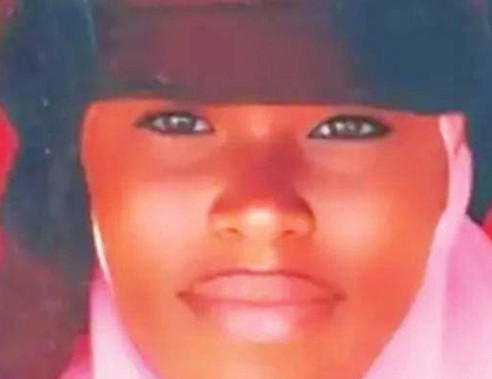
The killing of Malama Ummulkhair Muhammad in Maraban Jos, Kaduna State, has exposed how vulnerable citizens become when placed in police custody. What started as an allegation of child theft ended with a woman lynched and burnt alive by a mob, leaving behind a grieving husband, four young children and a traumatised community.
The tragedy has revived painful memories of Maraban Jos, a community scarred by previous episodes of mob violence. About two decades ago, a divisional police officer was killed in the area, highlighting a troubling pattern of lawlessness whenever emotion overtakes reason.
According to the Kaduna State Police Command, the incident happened on June 21, 2026, after residents accused Ummulkhair of attempting to steal a child. Police said officers from Maraban Jos Division responded to a distress call and rescued the woman from the mob, taking her into protective custody pending investigation.
The command's account continues that hundreds of residents stormed the police station, overpowered the officers, dragged the woman out and lynched her before setting her body on fire. Disturbing videos of the killing circulated widely on social media, triggering outrage across Nigeria and renewed calls for action against jungle justice.
Yet the account from Ummulkhair's husband tells a starkly different story. Aliyu Muhammad, who lived with his wife for 14 years, spoke in an emotional interview with BBC Hausa about the events that destroyed his family.
According to him, nothing suggested that morning would be his last with Ummulkhair. He left home for his mechanic workshop while she departed for her Islamiyya lessons, exactly as she'd done many times before.
"It was a normal day," he recalled. "She left for Islamiyya while I went to my workshop.
There was nothing unusual."
Hours later, disturbing phone calls came. People told him his wife had been accused of attempting to kidnap a child and taken to Maraban Jos Police Station.
At first, he believed the police would investigate the allegation properly and uncover the truth.
Aliyu said the news actually gave him some comfort because he believed his wife would be safe inside a police station, protected from the angry crowd. Like many Nigerians, he assumed the police station represented the safest place for someone whose life faced danger.
Instead, the situation descended rapidly into tragedy. His trust in the institution meant to protect her proved fatally misplaced, and his wife never came home.