
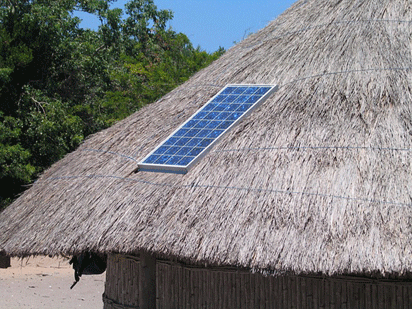
Solar panels deliver renewable electricity to homes even when skies are overcast, and they rank among the safest electrical technologies available. Fire incidents linked to solar installations remain exceptionally rare, though any electrical device carries some fire risk.
Quality components and certified installers ensure rooftop solar panels operate safely without causing problems. However, shoddy installation work can trigger structural damage, roof leaks, and electrical fires.
Kunle Awobodu, former president of the Nigerian Institute of Building and founding president of the Building Collapse Prevention Guild, warned that improper installation creates serious hazards. He told reporters that leakages plague homes fitted with aluminum roofing sheets, particularly during Nigeria's rainy season.
"The problem of water seeping into homes because of poor solar panel installation is a major issue affecting Nigeria's rooftop solar sector," Awobodu said. Incompetent installers bear responsibility for these failures, he noted.
Dr. Arc.
Otuoke Augustine examined the structural dangers posed by solar installations. He explained that weight distribution problems and roof integrity failures occur when buildings weren't designed to accommodate panels from the start.
Solar panels add roughly 2-4 pounds per square foot to roofs, placing strain on older structures or those lacking reinforcement. Poor weight distribution creates stress concentrations that eventually cause sagging, cracking, or full structural collapse.
Roof age matters critically. Rooftops exceeding 15 years old or showing existing damage may crumble under the mounting process or the long-term burden of panels.
Engineers must assess load-bearing capacity, rafter spacing, and overall roof condition before any installation work begins.
The mounting process itself damages roofing materials. Drilling holes for mounting hardware weakens the structure, while careless fastening techniques trigger immediate or slow deterioration.
Heavy equipment deployed during installation cracks tiles, damages membranes, and stresses underlying supports. Professional structural evaluations catch these risks before expensive repairs become necessary, Augustine said.
Water leaks from solar installations stem mostly from improper sealing and faulty flashing work. Every mounting point opens a potential pathway for water entry into the structure below.
Adequate sealing around penetrations prevents water infiltration that destroys structural components over years. Flashing installation demands precise technique and quality materials to work properly.
Many installers lack roofing expertise, delivering substandard waterproofing that fails during the first heavy downpour. Poor flashing work around mounting points, conduit penetrations, and roof transitions creates immediate leak dangers.
Roof membrane damage during installation compounds these problems further. Structural engineers can determine whether reinforcement is needed and recommend suitable mounting systems matched to specific roof types and conditions.