
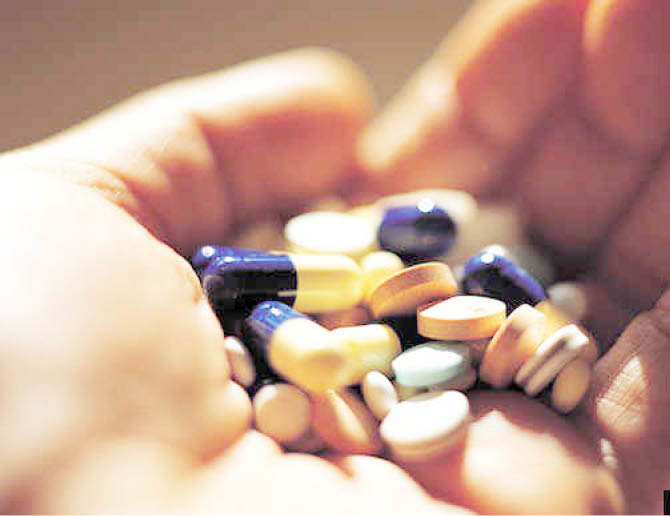
People in Benin City are struggling to afford medicines as drug prices keep climbing across Nigeria. Many have stopped taking prescribed medications altogether, turning instead to traditional remedies or buying partial doses.
During interviews with the News Agency of Nigeria on Sunday, residents expressed deep frustration. They blamed worsening economic hardship for making healthcare nearly impossible to access.
Rising drug prices aren't the only problem. Consultation fees and laboratory charges have also skyrocketed, putting quality healthcare out of reach for low-income earners.
At Best Care Pharmacy on New Lagos Road, Mrs Rose Imadiyi fought back tears as she recounted her ordeal. Doctors prescribed medication costing N7,000, but she had only N4,000 for both medicine and food.
"I chose my children over drugs because they still need to eat," she told reporters. Feeding her family meant abandoning her prescribed treatment entirely.
This impossible choice reflects a brutal reality facing thousands of Nigerian families daily. Healthcare costs now force people to decide between medicine and meals.
Dr Nkem Daniella Ogbidi-Emmanuel, a pharmacist, blames the country's economic crisis. According to her, most patients now prioritise eating over seeking medical care.
"A lot of people do not have the wherewithal to cater for their health needs because of the economic situation," she noted. Many believe that eating well enough allows them to manage illness themselves.
Some patients view proper medical care as an unaffordable luxury today. Beyond medication costs, they must pay doctors and pay for diagnostic tests.
Desperate patients are skipping essential medical tests to save money. Instead, they ask doctors for medicine without proper diagnosis, a dangerous shortcut.
"Some patients will say, 'Doctor, just give me medicine,' because they cannot afford tests for malaria, typhoid or other infections," Ogbidi-Emmanuel explained. This desperation is spreading rapidly across the country.
Even when doctors prescribe treatment, patients often can't buy complete dosages. Nigeria doesn't subsidise essential medicines, making full courses financially impossible for many.
According to Ogbidi-Emmanuel, nearly 80 per cent of patients struggle to balance healthcare with basic survival needs. She's calling for government subsidies on essential drugs and stronger public healthcare programmes.
Midwife Mrs Juliet Egbede confirmed the trend during separate conversations with reporters. Many Nigerians now prefer to "eat to live before treating illness," she said.
Growing financial hardship has made healthcare completely inaccessible for struggling households nationwide. Some patients resort to incomplete medication courses or traditional healing methods instead.
Experts warn these practices are dangerous and can worsen underlying health conditions significantly. Yet for many Nigerians, they remain the only affordable option available.

