Cross River State stands as Nigeria's tourism jewel. From the Obudu and Obanliku mountain peaks to pristine rainforests and waterfalls, the state offers visitors unparalleled natural wonders.
Cultural heritage sites dot the landscape across the region. The warmth of locals and world-class cuisine complete the attraction.
A British tourist shared his experience after last December's carnival. "You can't beat the peace, safety and smiles here," he told reporters, noting his encounters in Cross River surpassed other parts of Nigeria.
Visitors consistently praise the state's cleanliness and tourism infrastructure. Many have become repeat guests.
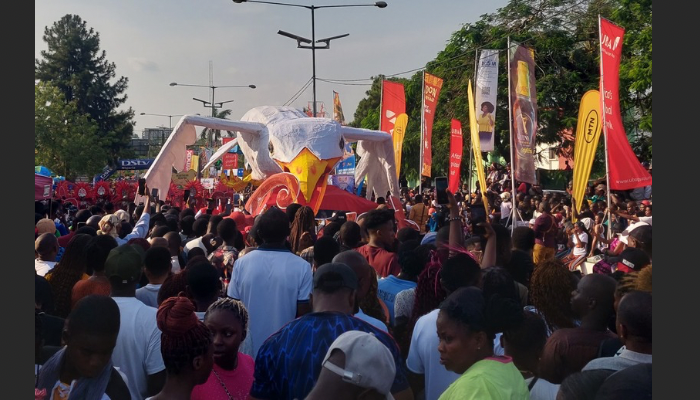
Carnival Calabar demonstrates the state's commitment to sustainable tourism. Over two decades, the annual event has grown into Africa's largest street party.
Twenty successful editions have transformed a local celebration into a world-class spectacle. Tourism officials credit careful planning and community involvement.
Now, Cross River is pushing forward with the carnival's 21st edition. Governor Bassey Edet Otu unveiled the 2026 theme at a Lagos event on May 31.
"Rethinking Our Collective Destiny" will guide this year's carnival activities. According to Governor Otu, the theme reflects current economic challenges facing Nigeria.
He emphasized the carnival's role in economic growth during uncertain times. Tourism development and cultural preservation remain central to the state's vision.
Gab Onah chairs the Cross River State Carnival Commission. He called the theme timely and said it demands deep reflection from all participants.
Each year's theme serves a specific creative purpose. Competing bands must interpret it through costumes, choreography, props, and artistic innovation.
Hogan Eyom performs with the Masta Blasta band. He believes this year's theme is straightforward but creatively demanding.
"Band leaders face enormous pressure to stand out," Eyom told reporters. Costumes, props, and choreography must work together to capture judges' attention.
Winning bands must engage multiple layers of meaning. Social resonance, community connection, and cultural-economic development all factor into judging decisions.
Creative directors are already developing interpretations. Preparation has intensified across competing groups.
Carnival Calabar drives significant economic activity beyond the event itself. Artisans, performers, and hospitality workers benefit throughout the year.
State officials believe sustainable tourism creates lasting employment. The carnival model shows how cultural events can uplift entire communities.
Planning for the 21st edition reflects lessons learned over decades. Organizers continue refining logistics and community engagement strategies.
Excitement builds as carnival season approaches. Bands, performers, and tourists prepare for what promises to be another memorable celebration.