Babatunde Oremule's new autobiography reads like the CV of three different men squeezed into one body. He's owned airlines, built shipping companies, manufactured pharmaceuticals, invested in real estate, played competitive sports, imported goods, and golfed his way through decades of Nigerian business life.
Friends call him Okunrin Meta—three men in one—but even that nickname undersells the scope of what Oremule has accomplished. By the time you finish reading A Life of Family, Sports, Friends and Business, you'll wonder if the man somehow managed to live three separate lifetimes.
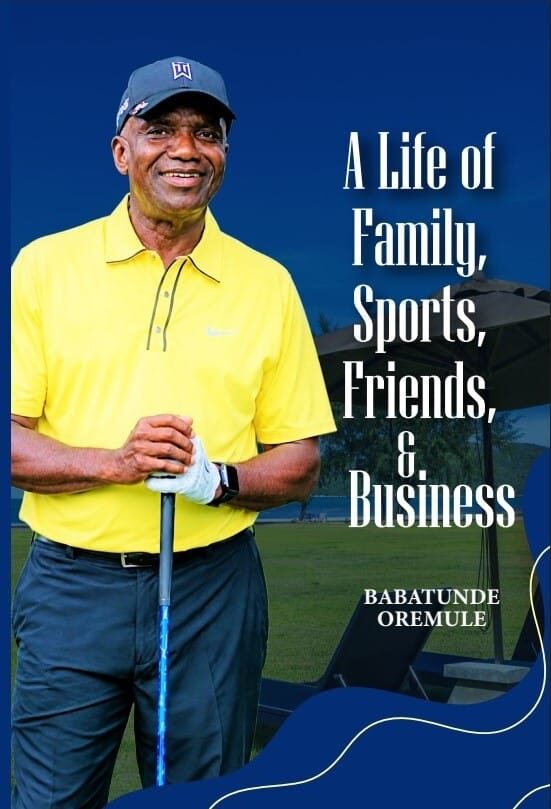
The photograph on the cover shows a calm, modest gentleman who gives nothing away. What unfolds inside the 84-page autobiography, however, tells a different story entirely.
Every few pages brings another surprise. Just when readers think they've grasped who Oremule is, another business venture emerges.
The question becomes unavoidable: what hasn't this man tried?
This book captures a generation of Nigerians who refused to stay in a single lane. Opportunity knocked and they answered, moving from aviation to shipping to manufacturing with the ease of someone working through a buffet line.
The greatest strength here is how Oremule tells his story. He writes conversationally, like an elderly uncle finally sharing tales everyone's been asking to hear for years.
The prose is straightforward, engaging and mercifully free of corporate jargon.
Oremule celebrates those who helped him rise and names those who let him down. He discusses the failures alongside the triumphs, the setbacks that came with building businesses in Nigeria.
At this stage of his life, he has little patience for polishing the truth.
The memoir weaves between business deals, family moments, friendships, sports achievements and mentors who shaped him. Then, unexpectedly, romance appears.
It turns out Babatunde Oremule is a hopeless romantic who refused to abandon love, even while building empires.
Readers will occasionally think, "Some people really loved Nigeria." Before envy takes hold, though, Oremule reminds them that every success came wrapped in challenges, betrayals and agonising choices. Privilege never overshadows perseverance in these pages.
Sports emerges as perhaps the biggest surprise. Before golf became central to his identity, lawn tennis had already opened doors, created friendships and spawned business opportunities.
Parents telling their children to abandon sports for schoolbooks might want to read these sections carefully.
The book brims with practical lessons on entrepreneurship, integrity, loyalty and the power of real relationships. Oremule argues that lasting success requires more than money—it demands trust, character and a commitment to continuous learning.
As readers move through these pages, many will find themselves wishing they were Oremule's children or grandchildren, if only to inherit the stories and the wisdom that built something enduring.