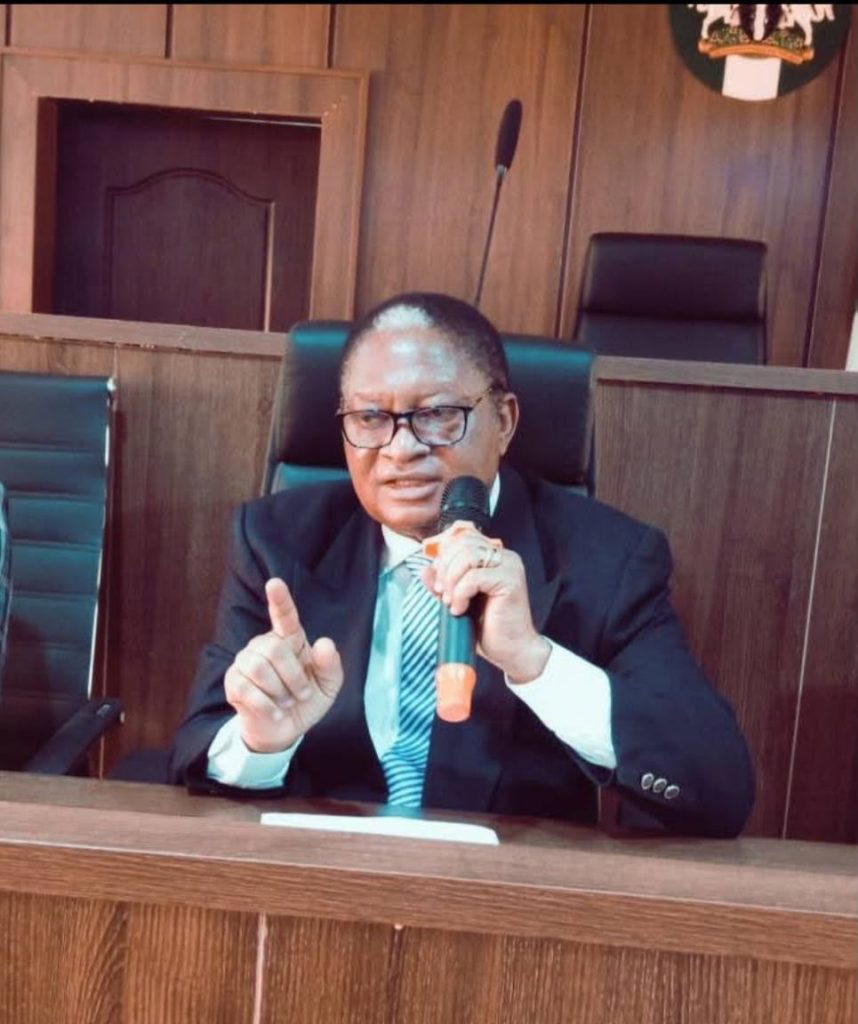

Nigeria is bleeding between N15 trillion and N20 trillion yearly through revenue leakages, according to a new policy paper by lawyer Olisa Agbakoba. His firm released the damning report in Lagos this week.
The document is titled "The Federation Account of Nigeria and Infinite Possibilities: A Framework for Full Remittance and Fiscal Accountability." It accuses the government of ignoring Section 162(1) of the 1999 Constitution.
That constitutional provision is clear. All federally collected revenues must go into the Federation Account before any money is removed.
Nigeria faces what Agbakoba calls a "revenue paradox." More money is coming in, yet the country sinks deeper into debt.
Federation revenues jumped from N16.8 trillion in 2023 to N31.9 trillion in 2024. The figures are expected to keep climbing.
But public debt tells a different story. It reached N159.27 trillion by end of 2025.
Debt servicing devoured 78 percent of federal revenue in 2023 and 69 percent in 2024. Developing countries should spend no more than 30 to 40 percent on debt service.
The real issue isn't lack of money, Agbakoba argues. Structural leakages prevent revenues from reaching the federation account intact.
A World Bank study cited in the paper reveals the scale of the problem. Over 39 percent of gross federation revenues—more than N14 trillion—vanished before remittance in 2025 alone.
The Nigerian National Petroleum Company Limited sits at the center of this crisis. It's accused of under-remitting oil revenues and operating without transparency.
In 2024, NNPCL remitted just N600 billion out of N1.1 trillion it owed. The company kept the rest to handle legacy debts.
This arrangement creates a massive conflict of interest. NNPCL produces oil, sells it, calculates costs, and decides what to remit.
Agbakoba's team recommends splitting those roles among separate, independent entities. Such a move would boost accountability and openness.
Another troubling issue involves crude-for-loan deals. About 213,000 barrels daily from Nigeria's production are locked into servicing external debts.
Several agreements include the $3.3 billion Project Gazelle with African Export-Import Bank. Others go by names like Project Yield, Eagle Export Funding, and Project Leopard.
Many of these contracts were never approved by the National Assembly. They bypass the Federation Account and send oil money straight offshore.
President Tinubu signed Executive Order No. 9 in February 2026. It halted certain pre-remittance deductions under the Petroleum Industry Act.
Agbakoba welcomes the move but calls it inadequate. It lacks permanent constitutional backing and leaves gaps unfilled.
Without stronger measures, Nigeria will continue losing trillions yearly. The revenue paradox will keep worsening the country's fiscal crisis.